Skip to content


Transconjunctival Blepharoplasty: What Does It Do and Will the Fat Come Back?
Transconjunctival blepharoplasty is one of the most effective ways to restore confidence to your eyes without undergoing complex surgery, and it has become a top choice for many people. So what exactly does this procedure achieve, and will the under-eye fat come back after surgery? Read on for the complete breakdown.
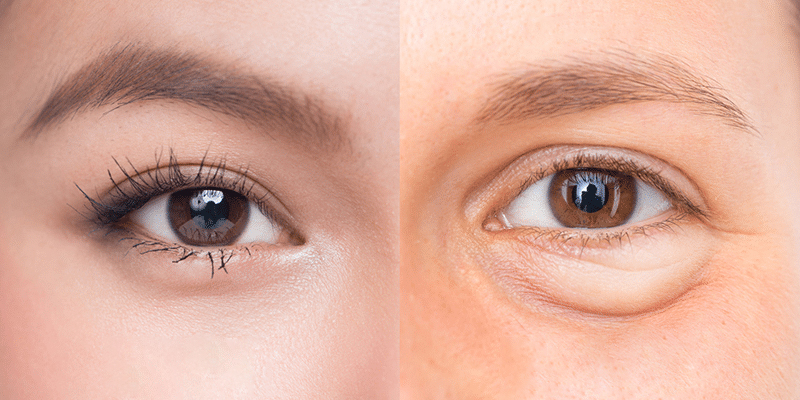
What Is Transconjunctival Blepharoplasty?
Transconjunctival blepharoplasty is an advanced surgical technique that comprehensively rejuvenates the under-eye area, removing loose skin and wrinkles through an ultra-fine internal incision made on the inside of the lower eyelid (conjunctival side). The surgeon excises sagging tissue, removes excess fat pockets, and corrects fine wrinkles, creating a youthful, radiant pair of eyes free from dark circle concerns.
Key Benefits of Transconjunctival Blepharoplasty technique
- Rejuvenates the eye area and balances overall eye proportion
- Pain-free during the procedure thanks to local anesthesia
- No impact on vision or general health
- Quick procedure time and fast recovery
- Long-lasting and stable results
The hidden incision means no visible scar on the outside of the lower lid, a key advantage over transcutaneous (external skin incision) approaches.
How It Differs from Traditional Lower Blepharoplasty
Conventional lower eyelid surgery uses a transcutaneous approach, meaning the incision is placed externally just below the lash line. While effective, this method leaves a fine external scar and slightly raises the risk of lid pulling or shape change during healing.
Transconjunctival blepharoplasty avoids these issues entirely by working from the inside out. The lid margin, lash line, and supporting muscles remain undisturbed, which is why this approach is now considered the gold standard for fat-only correction in younger ages with good skin elasticity.
| Feature | Transconjunctival Blepharoplasty | Transcutaneous Blepharoplasty |
| Incision location | Inside the lower eyelid (conjunctiva) | External, along the lash line |
| Visible scar | None (incision hidden internally) | Fine line, usually well-camouflaged |
| Best for | Fat removal, no excess skin | Fat removal + significant skin excess |
| Recovery time | 2 to 6 weeks | 3 to 8 weeks |
| Risk of lower lid retraction | Lower | Slightly higher |
| Suture removal | Not required (dissolvable or no suture) | Required after 5 to 7 days |
| Ideal age range | 25 to 45 (skin still elastic) | 45+ (significant skin laxity) |
For most under-40 candidates seeking lower lid fat removal without skin excess, transconjunctival blepharoplasty is the preferred approach because it avoids any external scarring and carries a lower risk of post-surgical lid retraction.
What the Procedure Treats
A single transconjunctival blepharoplasty session can address:
- Hereditary under-eye fat pockets (visible from age 18 onwards)
- Age-related lower lid puffiness
- Persistent under-eye bags that worsen with sleep deprivation
- Dark circles caused by fat shadow rather than pigmentation
- Tear trough deformity (when combined with fat repositioning)
The result is a refreshed, well-rested appearance that looks natural and lasts for years, restoring the kind of bright, alert eyes that no amount of concealer or skincare can replicate.
Who Should Consider Transconjunctival Lower Blepharoplasty?
Transconjunctival lower blepharoplasty is not for everyone. The technique works best for specific conditions where fat removal alone delivers a balanced, natural result. Beyond doctor-recommended cases, three groups stand out as ideal candidates.
1. Those with Hereditary Under-Eye Fat
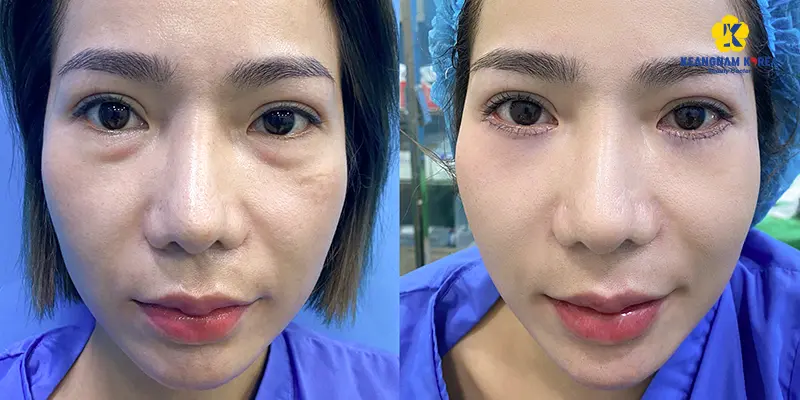
Genetic under-eye bags often appear in the late teens or early twenties, regardless of sleep habits or skincare routines. If your family members share the same puffy lower lid pattern, the cause is almost certainly hereditary fat herniation rather than aging.
Transconjunctival lower blepharoplasty is the most effective permanent solution for this group, as the skin is still elastic and snaps back smoothly after fat removal.
2. Those with Loose Skin and Excess Fat Under the Lower Lid
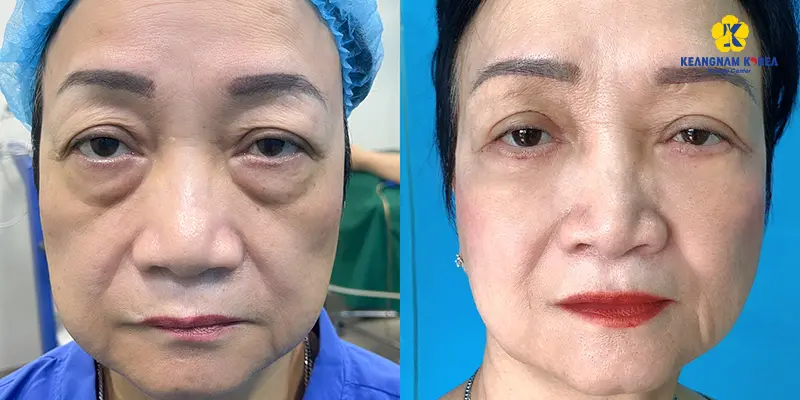
When mild skin laxity coexists with bulging fat, transconjunctival access remains a strong option (often combined with non-surgical skin tightening such as laser resurfacing or radiofrequency on the lid skin). This combined approach avoids the external scar of traditional surgery while still addressing both concerns.
3. Those with Congenital Under-Eye Bags and Dark Circles
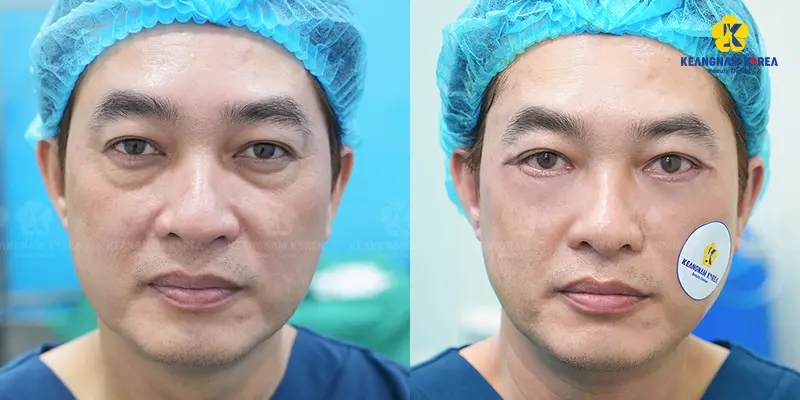
Some people are born with prominent fat pads that create permanent shadows beneath the eyes, regardless of how much sleep they get. The dark circles in this case are not pigmentation but rather shadow cast by protruding fat. Removing the fat lifts the shadow, dramatically brightening the under-eye area.
Ideal Candidates for Transconjunctival Blepharoplasty
| Criterion | Best Match |
| Age range | 18 to 45 (skin still elastic) |
| Primary concern | Fat herniation, not skin excess |
| Skin quality | Good elasticity, minimal crepiness |
| Health status | Healthy, no bleeding disorders |
| Eye condition | Normal vision, no active eye disease |
| Expectations | Refreshed, natural look (not dramatic change) |
| Lifestyle | Non-smoker preferred, willing to follow aftercare |
Who Should Not Choose Transconjunctival Approach
This technique may not be the right fit if you have:
- Significant skin excess that will hang loosely after fat removal (transcutaneous blepharoplasty may suit better)
- Severe lower lid laxity or scleral show (requires lid tightening procedures first)
- Active eye infections or conjunctival disease
- Uncontrolled medical conditions such as bleeding disorders, severe hypertension, or poorly managed diabetes
- Pregnancy or breastfeeding status (elective procedure, not urgent)
- Unrealistic expectations of looking decades younger after a single 30-minute procedure
Transconjunctival Blepharoplasty Recovery Time
One of the strongest advantages of transconjunctival blepharoplasty is the fast and discreet recovery. Because the incision is hidden inside the lower eyelid and does not disturb the external skin, healing is significantly smoother than traditional lower lid surgery. Most can return to daily life within a week and to full appearance within a month.
Transconjunctival Blepharoplasty Recovery Time
| Phase | Duration | What to Expect |
| Initial healing | Days 1 to 3 | Mild swelling, possible minor bruising |
| Soft tissue settling | Days 4 to 7 | Visible swelling subsides, daily activities resume |
| Social recovery | Week 2 | Most signs gone, comfortable in public |
| Cosmetic recovery | Weeks 3 to 4 | Final shape settles, makeup may resume |
| Full recovery | Weeks 5 to 6 | Complete healing for most cases |
Total transconjunctival blepharoplasty recovery time generally ranges from 2 to 6 weeks, depending on individual healing capacity.
Transconjunctival Blepharoplasty Recovery Day by Day
Day 1 (Surgery Day)
- Procedure takes 30 to 45 minutes under local anesthesia
- Mild pressure or tightness around the lower eyelids
- Cold compress applied at intervals (10 minutes on, 10 minutes off) to reduce swelling
- Vision remains normal, but reading or screen use should be limited
- Resting at home is recommended for the rest of the day
Day 2
- Swelling reaches its peak (this is normal)
- Possible minor bruising in soft yellow or pink tones
- Eye lubricating drops used to prevent dryness
- Light meals, plenty of water, and elevated head position during sleep
Day 3
- Swelling begins to noticeably decrease
- Bruising (if any) starts to fade
- Light walking encouraged to support circulation
- Continue cold compress as needed
Days 4 to 7
- Visible improvement each day
- Most can return to office work or remote activities by day 5 to 7
- Sunglasses recommended for outdoor activity
- Avoid bending over, heavy lifting, or strenuous exercise
Week 2
- Swelling almost fully resolved
- Subtle residual puffiness may remain (only noticeable to you)
- Comfortable for social events, casual photography
- Light cardio (walking) can resume
Weeks 3 to 4
- Tissue continues to soften and refine
- Eye contour reaches near-final shape
- Eye makeup can be reapplied carefully
- Contact lenses can typically resume after week 3
Weeks 5 to 6
- Full transconjunctival blepharoplasty recovery for most cases
- Final, refreshed result fully visible
- All physical activity (including swimming, intense exercise) safely resumes
What Affects Recovery Speed
Recovery time varies based on:
- Age and skin quality: Younger candidates with elastic skin often heal faster
- Genetics: Some people bruise and swell more than others
- Lifestyle: Non-smokers, well-hydrated, well-rested individuals heal noticeably quicker
- Aftercare compliance: Following the surgeon’s protocol shortens timeline by days
- Surgical technique: Precise, minimally invasive technique reduces tissue trauma
- Surgeon expertise: Skilled hands cause less collateral swelling and bruising
Post-Operative Care After Blepharoplasty
To ensure results last as long as possible, strict adherence to the surgeon’s home care protocol is essential. Key reminders:
- Take all prescribed medications exactly as directed
- Attend all follow-up appointments on schedule
- Avoid rubbing the eyes or touching the wound area
- Skip eye makeup for 3 to 4 weeks after surgery
- Wear sunglasses outdoors to protect the eyes from UV and dust
- Maintain a balanced, nutrient-rich diet to speed recovery
- Sleep early, on schedule, for a full 8 hours per night
What Foods to Avoid After Transconjunctival Blepharoplasty?
To avoid issues such as infection, keloid scarring, and pus formation, follow a proper diet and limit the following food groups:
1. Spicy and Heat-Inducing Foods

These foods can promote scarring and slow wound healing. Frequent consumption forces tear ducts and sweat glands to work overtime, allowing impurities to contact the wound and cause infection. Avoid spicy foods immediately after surgery.
2. Sticky Rice

Glutinous rice is considered a “heaty” food, easily causing inflammation and pus. Excessive consumption increases the risk of wound infection and keloid scarring, especially during the first 2 to 4 weeks. Avoid items such as steamed sticky rice, traditional sticky rice cakes, and similar dishes.
3. Fishy-Smelling Foods and Seafood

Seafood is rich in protein, but the strong smell is unfavorable for post-operative recovery. Excessive seafood consumption may cause itching and contribute to keloid scar formation.
Is Transconjunctival Blepharoplasty Risky?
The procedure is rated highly for safety because it is simple, fast, and easy to perform. However, transconjunctival blepharoplasty risks can arise in some cases, including infection or vision impact, due to:
- Outdated technique or technology
- Insufficient surgeon expertise
- Substandard surgical environment
- Inadequate or unclear post-operative care guidance
To ensure absolute safety, research the clinic, the surgeon, and the technology thoroughly before deciding to undergo lower lid fat removal.
Will Under-Eye Fat Come Back After Transconjunctival Blepharoplasty?
A common concern is whether the fat returns over time. The honest answer: results are typically very long-lasting, but the body never fully stops aging.
Most cases hold beautifully for 3 to 5 years, with many extending well beyond that. The exact duration depends on multiple factors:
- Individual skin and fat regeneration (genetics)
- Surgeon expertise and technique precision
- Speed of natural aging
- Post-operative care quality
- Daily lifestyle habits (sleep, diet, sun protection, stress)
If concerns arise about whether the fat removal will last forever, the most effective approach is to maintain a healthy lifestyle, follow a nutrient-rich diet, and contact your treating doctor immediately if any unusual symptoms appear.
The fat that has been surgically removed cannot regrow in the same way. However, age-related changes (skin laxity, supportive ligament weakening, new fat redistribution) can produce a milder version of the original concern decades later.
Does Transconjunctival Blepharoplasty Leave Scars?
The procedure is considered minor and extremely common, helping many regain eye-area appeal and youthful skin. Because the transconjunctival blepharoplasty incision is made inside the lower eyelid using dissolvable sutures (often without external sutures at all), no visible scar forms on the outside skin.
Choosing a reputable, high-quality aesthetic clinic remains the single most important factor in minimizing risks during the procedure.
Top-rated clinics for transconjunctival blepharoplasty in Ho Chi Minh City
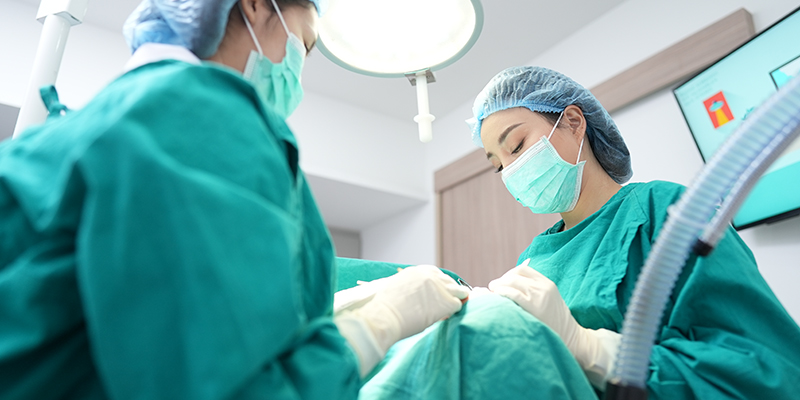
Keangnam Korea is one of the leading aesthetic hospitals known for safety and credibility. Backed by Perfect Eyes technology transferred from Korea, combined with Face AI (an AI simulation technique delivering up to 99% accuracy in result preview), Keangnam Korea has become the choice of many.
We also offer:
- A medical team with over 10 years of aesthetic surgery experience
- Medical-grade sterile environment meeting international standards
- Dedicated, attentive customer care service
- Foreign patient surgical license (one of few clinics in Vietnam with this credential)
In just 30 to 45 minutes, lower under-eye fat is fully removed. No pain, no swelling, no scars. Research and explore Keangnam Korea thoroughly before committing to surgery.
RELATED ARTICLES
How Long Does a Fox Eye Thread Lift Last? Costs, Risks, and Results
A fox eye thread lift is a minimally invasive procedure that uses dissolvable barbed threads to suspend the outer corner of the eye (lateral canthus) and the eyebrow tail toward the temple. By gently pulling these soft tissues upward, the

Lower Eyelid Surgery for Under Eye Bags: Types, Recovery, and Cost
Lower eyelid surgery costs between $190 and $1,145 (5 to 30 million VND) in Ho Chi Minh City in 2026, depending on whether the surgeon operates through an incision inside the eyelid or just below the lower lash line. It
How Much Do Powder Brows Cost in Vietnam?
Powder brows in Ho Chi Minh City, Vietnam cost between $80 and $230 USD (2 to 6 million VND) in 2026, with pigment retention typically lasting two to five years depending on skin type and maintenance. The procedure places micro-dots

Eye Lift for Hooded Eyes in Vietnam: Surgery Types, Cost, and Recovery
An eye lift for hooded eyes costs $265 to $1,525 (7 to 40 million VND) for upper eyelid surgery at private clinics in Ho Chi Minh City in 2026. Which operation fits depends on whether the fold comes from eyelid

Eye Lift VS Cold Plasma Blepharoplasty: Surgical Techniques, Recovery, and Costs
An eye lift (conventional surgical blepharoplasty) and Cold Plasma blepharoplasty are both invasive surgical operations designed to excise redundant upper eyelid skin, remove herniated orbital fat, and reconstruct a defined double eyelid crease. The primary clinical distinction lies in the
Eyebrow Lift: Best Age, Types of Surgery, and Costs in Ho Chi Minh City, Vietnam
An eyebrow lift is a cosmetic surgical or minimally invasive procedure designed to reposition a descended eyebrow, smooth forehead furrows, and unburden heavy upper eyelids. Most individuals begin considering an eyebrow lift between ages 30 and 35, with ages 35