Skip to content

Eyelid Retraction After Blepharoplasty: Signs, Causes & How to Correct It
Eyelid retraction is one of the most distressing complications that can follow cosmetic eyelid surgery, leaving the eyes looking unnaturally wide, asymmetrical, or even unable to close completely. Beyond the obvious aesthetic concern, the condition can also affect eye function.
Unfortunately, cases of eyelid retraction after blepharoplasty are appearing more frequently as low-quality cosmetic centers proliferate. So what are the signs, what causes the problem, and can it be corrected and how can it be corrected? Read the full guide below.
Signs and Symptoms of Eyelid Retraction
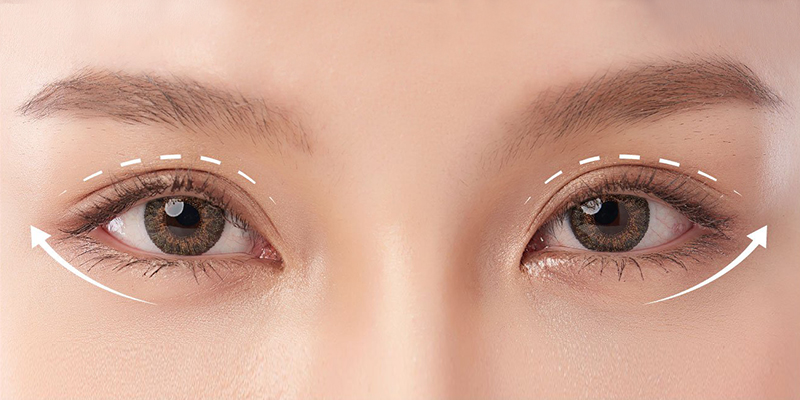
Post-blepharoplasty eyelid retraction is the result of technical errors during surgery. It impacts both facial aesthetics and the structural balance of the eye, so early recognition is essential for timely treatment.
Common eyelid retraction symptoms include:
- A pulled, stretched sensation on the lid, with difficulty closing the eye fully
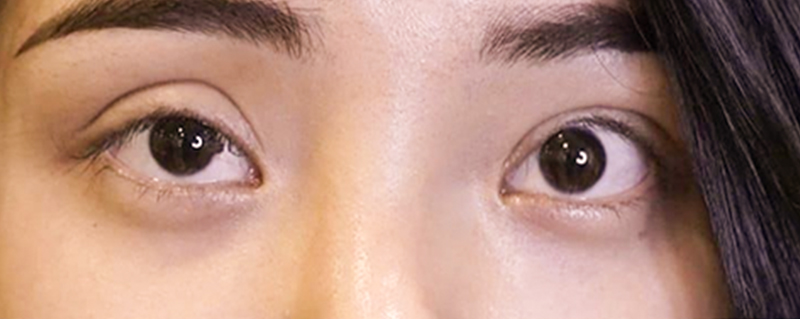
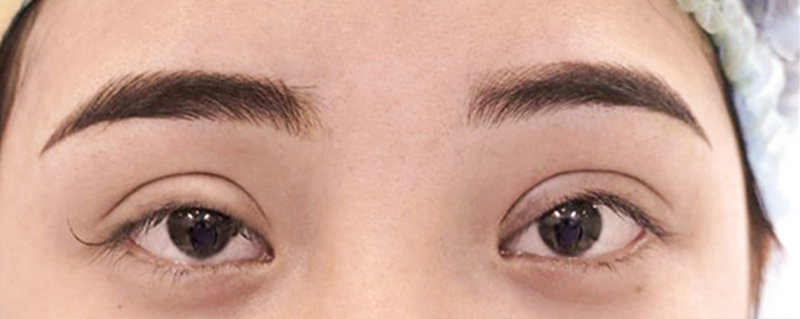
- Asymmetry between the two eyes, with one sitting noticeably higher than the other
- The upper eyelid appears pulled upward, exposing more sclera (white of the eye) than is natural
- The eye looks wide open, surprised, or unnatural even when relaxed
- Dryness, irritation, or burning caused by incomplete eyelid closure
In the first 1 to 2 weeks after surgery, mild versions of these signs can be normal. Swelling, tight scar tissue, and tissue contraction during initial healing can temporarily pull the lid upward. This usually resolves on its own with proper aftercare. However, if the appearance persists beyond a few weeks, the issue is likely structural and requires professional evaluation.
Common Causes of Upper Eyelid Retraction
Several factors can lead to eyelid retraction after cosmetic surgery. The most common cause comes down to surgeon skill and technique, particularly when too much skin is removed during the procedure.
Frequent upper eyelid retraction causes include:
- Excessive Skin Removal: Removing more skin than necessary leaves the lid too tight to close properly, pulling it upward into a permanently widened position.
- Incorrect Incision Placement: When the incision sits too high on the lid, the entire eyelid structure shifts upward, creating visible asymmetry and a startled look.
- Over-Removal of Eyelid Fat: Excessive fat extraction leaves the eye area hollow and sunken, deepening the eye socket and worsening retraction.
- Over-Tightening of the Levator Muscle: Suturing the levator muscle too high prevents the lid from descending naturally, making it difficult to close the eye fully.
- Operating on Unsuitable Candidates: Some eye anatomies are not appropriate for eyelid surgery in the first place. Performing the procedure anyway dramatically increases the risk of retraction.
- Poor Sterilization or Surgical Environment: Infection or healing complications can cause scar tissue to contract irregularly, deforming the eyelid position and leaving permanent damage.
Can Eyelid Retraction Be Corrected?
Yes, eyelid retraction can be corrected, but the outcome depends heavily on the severity of the case and the underlying cause. Each cause requires a different correction strategy.
Mild cases may respond to non-surgical interventions like dermal fillers to restore lost volume and balance the eye. More severe cases require combined surgical correction, followed by an extended recovery period before final results appear.
Correctable vs. Difficult-to-Correct Cases
| Underlying Cause | Correctable? | Recommended Treatment | Expected Outcome |
| Normal tissue swelling and contraction in first 1 to 4 weeks | Yes | Cold compress, gentle massage, hydration, patience | Full recovery without intervention |
| Slightly over-removed skin, no muscle involvement | Yes | Eye-area skincare, lid massage, dermal fillers if needed | Near-complete correction within 3 to 6 months |
| Excess fat removed during surgery | Yes | Dermal fillers or autologous fat grafting | 85 to 95 percent correction, natural look restored |
| Muscle sutured too high during surgery | Yes | Levator muscle release / lowering surgery | 80 to 90 percent correction with proper revision |
| Too much eyelid skin removed | Yes | Fat grafting + skin grafting if needed | 70 to 85 percent correction, may need multiple sessions |
| Incision made too high on the lid | Partially | Scar revision + tissue repositioning | 60 to 80 percent correction; original incision line cannot be fully erased |
| Significant skin removal preventing full eye closure | Partially | Full-thickness skin graft + lid reconstruction | 50 to 75 percent correction; functional improvement prioritized over aesthetic perfection |
| Excessive fat removal years ago | Partially | Fat transposition, structural fat grafting, multiple sessions | 50 to 70 percent improvement, requires staged surgeries |
| Infection or poor healing after botched surgery | Difficult | Multiple revision surgeries, scar release, grafting | 40 to 60 percent improvement; full reversal usually not possible |
| Multiple previous surgeries on the same lid | Limited | Specialized reconstructive techniques only | 30 to 50 percent improvement; tissue may be too compromised for full correction |
| Muscle fibers severed or destroyed during prior surgery | Rarely fully | Tendon graft, alternative suspension techniques | Functional improvement possible, but full natural lid movement may not return |
| Multiple structural injuries from aggressive surgery | Rarely | Complex reconstructive surgery, sometimes staged over years | Limited improvement; results depend on residual healthy tissue |
5 Key Factors That Influence Correctability
- Timing: The earlier the assessment, the better. Within the first 3 to 6 months after the original surgery, soft tissue is still flexible and revision options are broadest. Once scar tissue fully matures (after 12+ months), revision becomes significantly more complex.
- Cause of the Retraction: Skin and fat issues are generally easier to correct than muscle or nerve damage.
- Number of Previous Surgeries: Each repeated surgery on the same eyelid reduces the amount of healthy tissue available for future corrections. The first revision typically has the highest success rate.
- Quality of Underlying Tissue: Younger skin, good elasticity, and the absence of infection or scarring all improve revision outcomes.
- Surgeon Experience: Revision blepharoplasty is one of the most technically demanding eye procedures. The choice of surgeon often determines whether correction reaches its maximum potential.
Most eyelid retraction cases can be substantially improved, but “corrected” doesn’t always mean returning to a perfect pre-surgery state. A skilled revision specialist focuses first on restoring function (the ability to close the eye, protect the cornea, and prevent dryness) and then on aesthetic refinement. The earlier the consultation, the wider the menu of effective options.
For a personalized evaluation of your specific case, schedule a one-on-one consultation with the senior revision team at Keangnam Korea by calling 0911 833 555.
How to Fix Eyelid Retraction After Surgery
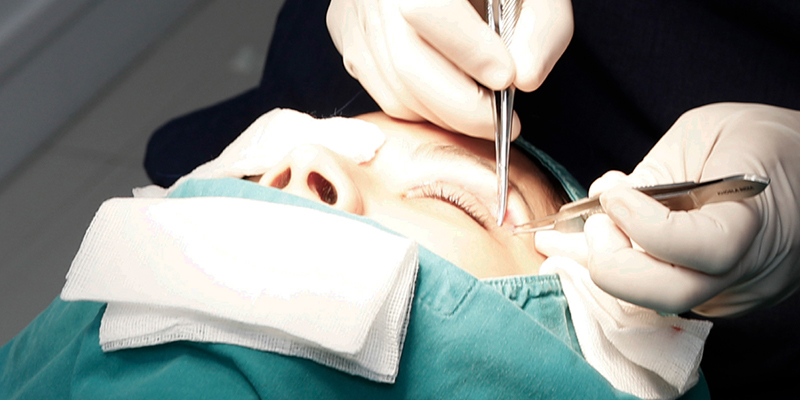
The right eyelid retraction treatment depends entirely on how severe the retraction is. Below is a stage-by-stage breakdown.
1. Mild Eyelid Retraction
For lighter cases, conservative at-home care under a doctor’s guidance can resolve the issue without further surgery. Key steps include:
- Consistent use of specialized eye-area skincare formulated to support healing and elasticity
- Gentle eyelid massage to stimulate circulation, relieve tension, and balance tissue tone
- Cold compresses for ongoing swelling
- Adequate hydration and sleep to support natural tissue recovery
Improved blood flow around the eye reduces puffiness, dark circles, and the appearance of retraction over time.
2. Severe Eyelid Retraction
More serious cases require a structured upper eyelid retraction treatment plan tailored to the specific cause:
- Fat Grafting (If Too Much Skin Was Removed): When over-aggressive skin removal pulls the lid too tight, fat is harvested from another area of the body and injected into the eyelid to restore elasticity and natural lid coverage.
- Fat Transposition (If the Eye Socket Is Hollow): For deeply sunken eye sockets, repositioning fat pads from surrounding tissue refills the hollowed area, reduces muscle tension, and allows the lid to sit naturally.
- Levator Muscle Adjustment (If the Muscle Was Set Too High): A revision procedure lowers the over-tightened muscle, restoring proper lid descent and symmetry between both eyes.
- Combined Reconstructive Techniques (Severe Cases): Complex deformities may require a combination of laser resurfacing, fat injections, skin grafting, and structural reconstruction to fully correct the eye shape.
In most severe scenarios, the path to a natural-looking result involves an upper eyelid retraction surgery followed by 3 to 6 months of healing and stabilization.
Eyelid Retraction Surgery Cost In Ho Chi Minh City
The eyelid retraction surgery cost depends on several factors:
- Severity and complexity of the deformity
- Specific correction techniques required (fat grafting, levator adjustment, full revision)
- Surgeon experience and clinic standards
- Use of advanced technology like AI-assisted simulation
Revision procedures are typically more complex than first-time blepharoplasty, so pricing tends to be higher. A direct consultation with a senior revision specialist provides the most accurate quote based on your specific case.
Get Price Info & Consultant
Where to Get Revision Blepharoplasty Safely
Keangnam Korea is among the first aesthetic clinics in Vietnam to meet every standard required for safely correcting botched eyelid surgery. Several factors make the clinic a trusted destination for revision cases.
1. Advanced Korean Technology
Keangnam Korea consistently invests in the latest surgical technology and refined techniques. Signature procedures like Perfect Eyes double eyelid surgery combined with Face AI simulation allow you to preview the final result with up to 99 percent accuracy before committing to surgery.
2. Senior Medical Team With 10+ Years of Experience
The doctors at Keangnam Korea are leading specialists in eye aesthetic surgery. With deep technical expertise, steady hands, and a meticulous approach, they consistently deliver natural-looking results while minimizing the risk of further complications or surgical setbacks.
3. Modern, Ministry-Approved Facilities
The clinic operates with hospital-grade equipment in a fully sterile environment that meets all Ministry of Health standards, giving clients full confidence in both safety and outcome.
4. A Full Range of Eye Aesthetic Services
In addition to revision surgery for retracted eyelids, Keangnam Korea offers a complete range of eye-area procedures so each case can be tailored to the client’s specific concerns:
- Double eyelid stitching
- Upper blepharoplasty
- Lower blepharoplasty
- Brow lift
- Eye corner opening (canthoplasty)
- Lower eye bag correction
- Ptosis correction surgery
- Revision blepharoplasty (eyelid retraction repair)
- Eyelid fat grafting
Eyelid retraction is not the most dangerous complication of cosmetic eyelid surgery, but it is one of the most visible and emotionally distressing. The good news is that almost every case can be corrected with the right combination of surgical and supportive techniques. The key is timing and provider selection. Reach out to a reputable, experienced revision specialist as early as possible, before scar tissue stabilizes and complicates the repair process.
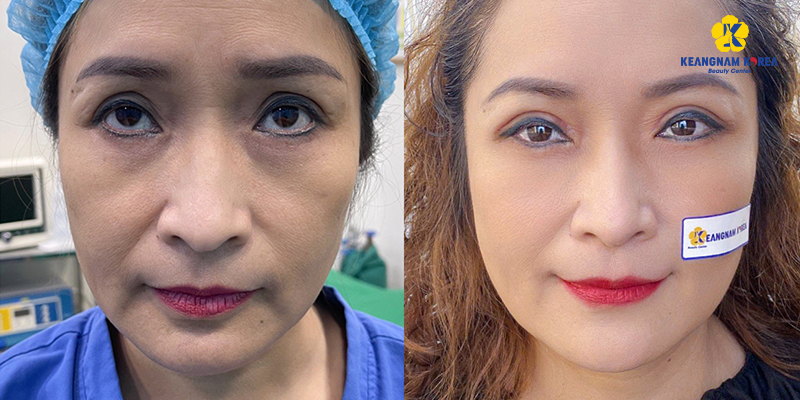
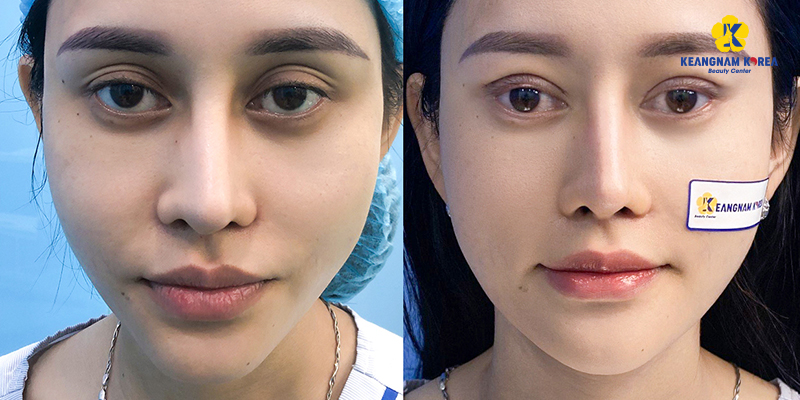
For a personalized assessment of your case, or to explore the Perfect Eyes revision program at Keangnam Korea, schedule a complimentary consultation through the clinic’s hotline or visit the center in person.
RELATED ARTICLES

Collagen Injection vs. Laser for Facial Skin: Cost, Recovery, and Fit
A collagen injection vs laser for aging facial skin, which is better? They are two distinct approaches to facial rejuvenation and do not replace each other. Lasers work from the outside in to correct surface texture and pigment, while injected

Collagen Shots for the Face vs. Mesotherapy: Aging Grades, Cost, and Results
Deciding between collagen shots for the face and mesotherapy comes down to identifying which layer of your skin is experiencing aging. Mesotherapy nourishes the superficial skin layers for quick surface hydration, whereas collagen shots for the face rebuild structural density
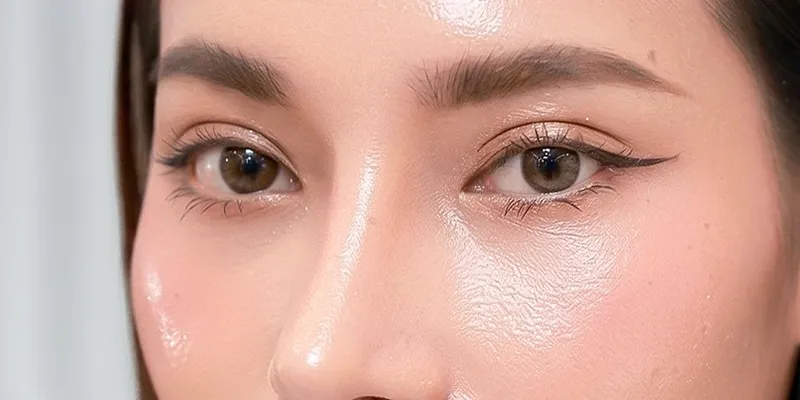
How Long Does a Fox Eye Thread Lift Last? Costs, Risks, and Results
A fox eye thread lift is a minimally invasive procedure that uses dissolvable barbed threads to suspend the outer corner of the eye (lateral canthus) and the eyebrow tail toward the temple. By gently pulling these soft tissues upward, the

What Is a Liquid Nose Job? Cost, Longevity and When Do Threads Work Better?
What is a liquid nose job? A liquid nose job (clinically known as liquid rhinoplasty) is a non-surgical procedure that reshapes the nose using precision injections of hyaluronic acid (HA) filler. The treatment takes 10 to 15 minutes, requires zero

Semi-Structural Rhinoplasty for a Low Bridge and Wide Tip: Cost and Recovery
Semi-structural rhinoplasty is a targeted surgical procedure that reshapes specific portions of the nose, typically modifying a broad, rounded tip with autologous cartilage while elevating a slightly low bridge with a biocompatible implant. The procedure takes 45 to 90 minutes

Non-Surgical Rhinoplasty Price in 2026: Cost by Filler and Thread Type
The non-surgical rhinoplasty price in Ho Chi Minh City, Vietnam, ranges from $230 to $1,720 (6 to 45 million VND) per treatment in 2026. The overall cost is determined primarily by the specific material and technique selected: The material used