Skip to content

Is Rhinoplasty Dangerous? Who Should & Shouldn’t Get Nose Plastic Surgery
Is rhinoplasty dangerous? Rhinoplasty is one of the most popular cosmetic procedures performed worldwide, improving both the appearance and function of the nose. However, nose plastic surgery is not appropriate for every individual. Certain medical conditions, age limits, and psychological factors significantly increase the risk of complications.
This guide reviews who should avoid rhinoplasty, the realistic outcomes the procedure can deliver, and the limitations every candidate should understand before proceeding.
Is Rhinoplasty Dangerous?
For healthy candidates evaluated by a qualified surgeon, rhinoplasty is considered a safe elective procedure. The risk increases significantly for individuals with specific medical conditions, unrealistic expectations, or insufficient preoperative assessment.
The American Society of Plastic Surgeons reports that serious complications are rare when patients are properly screened. The greatest dangers arise when contraindicated candidates undergo nose plastic surgery without thorough medical evaluation.
6 Cases Where Rhinoplasty Is Not Recommended
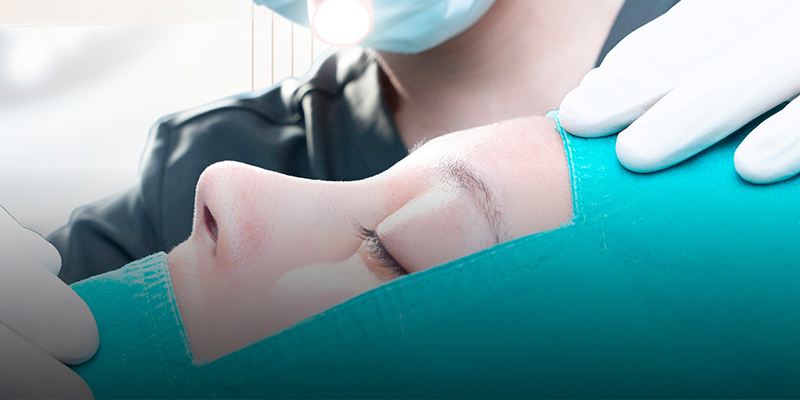
The following groups face elevated surgical risks and are generally advised against rhinoplasty.
- Patients With Serious Chronic Conditions: Individuals with uncontrolled diabetes, cardiovascular disease, or impaired lung function.
- Individuals With Blood Clotting Issues: Patients taking blood thinners or with bleeding disorders.
- Anyone Under 18: Facial structure has not fully developed before adulthood.
- Patients With Active Psychological Disorders: Mental health conditions can compromise satisfaction with surgical outcomes.
- Clients With Unrealistic Expectations: Biological factors limit what surgery can achieve.
- Patients With Multiple Prior Nose Surgeries: Repeated procedures increase the risk of permanent structural damage.
1. Patients With Chronic Diseases Such as Diabetes, Heart Disease, or Lung Conditions
Overall health is the most important factor when considering rhinoplasty. Individuals with uncontrolled diabetes, cardiovascular disease, or compromised lung function should not undergo this procedure.
A study published in Plastic and Reconstructive Surgery reports that cosmetic surgery can lead to serious complications when performed on patients with chronic medical histories, particularly during the recovery phase. These patients face elevated risks including infection and impaired wound healing.
2. Patients on Blood Thinners or With Clotting Disorders
Patients taking anticoagulant medications or with underlying clotting disorders face high risk of complications during and after surgery. The American Academy of Otolaryngology confirms that medications such as warfarin and aspirin significantly increase bleeding risk both during and after rhinoplasty. Patients must discontinue these medications for a specified period before any procedure can proceed safely.
3. Individuals Under 18 Should Postpone Rhinoplasty
Age is a critical factor in determining surgical eligibility. The human body, particularly the facial skeleton, continues developing until full maturity.
Surgeons recommend that everyone wait until at least age 18, when nasal structure has fully developed, before pursuing rhinoplasty. Research from the American Society of Plastic Surgeons confirms that performing nose plastic surgery too early can interfere with the natural growth of the nose.
4. Patients With Psychological Disorders: Should They Consider Rhinoplasty?
Psychological conditions including depression, anxiety, and body dysmorphic disorder (BDD) can complicate the decision to undergo rhinoplasty. A study in the Journal of Clinical Psychiatry shows that individuals with BDD frequently remain dissatisfied with cosmetic surgery results, even when the procedure is technically successful. Rhinoplasty does not address underlying psychological concerns and may worsen the mental health condition rather than resolve it.

5. Individuals With Unrealistic Expectations
Unrealistic expectations are one of the leading causes of post-surgery dissatisfaction. Biological factors including skin thickness, natural nasal structure, and individual healing patterns all influence the final result. For example, people with thick skin may not achieve the refined or sharply defined nasal tip they envision.
A study in Facial Plastic Surgery emphasizes that establishing realistic expectations and clear communication between surgeon and patient is the key factor in postoperative satisfaction. A critical part of the consultation process is understanding precisely what rhinoplasty can and cannot achieve for each individual case.
6. People With Multiple Previous Nose Surgeries
Undergoing repeated rhinoplasty procedures increases the risk of complications including loss of structural support, infection, and permanent tissue damage. According to the Aesthetic Surgery Journal, revision rhinoplasty surgery is significantly more complex than primary procedures, and outcomes are often less predictable.
Can HIV-Positive Individuals Get Rhinoplasty?
Individuals living with HIV can undergo rhinoplasty, but only after thorough health evaluation.
The Centers for Disease Control and Prevention (CDC) and clinical experts confirm that HIV-positive patients require stable immune function before any surgery. This means viral load must be well-controlled through antiretroviral therapy (ART), and CD4 cell counts must be at safe levels before proceeding.
HIV status alone does not automatically disqualify an individual from cosmetic surgery. Careful consultation with both a surgeon and an HIV specialist is essential to ensure recovery is not compromised by health status or medication interactions.
What Rhinoplasty Can and Cannot Do
Understanding the realistic scope of rhinoplasty helps prevent disappointment and supports informed decision-making.
What Rhinoplasty Can Do
- Straighten a Crooked Nose: Corrects nasal deviation caused by trauma or congenital factors.
- Refine Facial Angles: Adjusts the angle between the nose and forehead or upper lip for better facial balance.
- Smooth Nasal Bridge Irregularities: Removes bumps, depressions, or asymmetries along the dorsum.
- Reshape the Nasal Tip: Reduces or balances the tip to harmonize with overall facial proportions.
What Rhinoplasty Cannot Do
- Change the Fundamental Structure of the Nose: Surgery refines existing anatomy but cannot rebuild it from scratch.
- Prevent the Effects of Aging or Genetics: The nose continues to age naturally after surgery, and genetic traits remain unchanged.
- Fix Skin Concerns: Conditions such as pigmentation, redness, or scarring require separate dermatological treatment.
- Recreate Another Person’s Nose Shape: Each individual’s facial anatomy sets natural limits on achievable results.
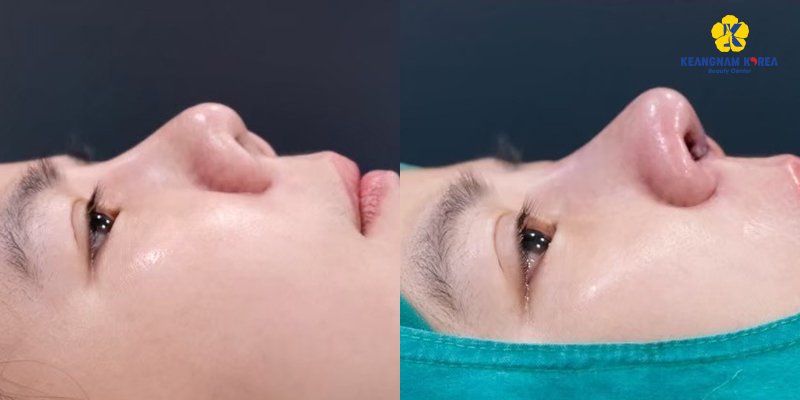
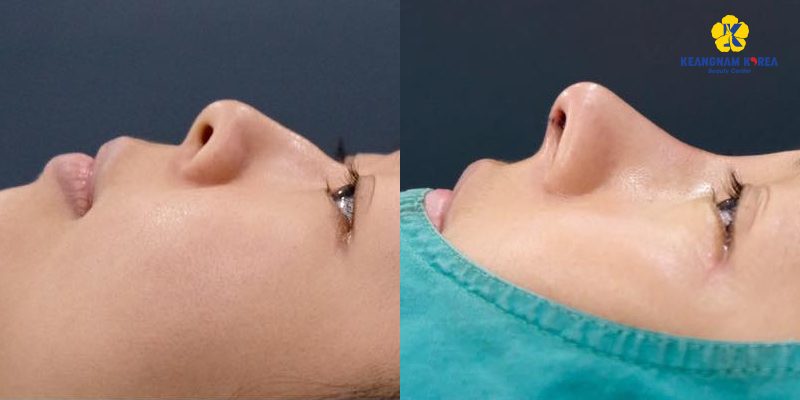
For accurate expectations, consultation with a qualified surgeon is essential. Beyond surgical options, non-surgical methods such as nose shaping with fillers or thread lifts exist for individuals seeking less invasive alternatives. Proper knowledge and expert consultation help establish realistic expectations and identify the right approach for each unique facial structure.
Who Should Consider Rhinoplasty or Nose Surgery?
Rhinoplasty delivers the best results for individuals whose nose concerns are structural, persistent, and aesthetically or functionally significant. The following profiles represent ideal candidates for nose plastic surgery.
1. Individuals With Structural Nose Concerns
Clients with visible structural issues that affect facial harmony are the most common candidates for rhinoplasty.
Typical concerns include a prominent dorsal hump, a crooked or deviated nose, a drooping or bulbous tip, a nose that appears too large or too small relative to other facial features, and asymmetry between the two sides of the nose. These structural issues cannot be corrected by makeup or non-surgical methods alone, making surgical reshaping the most effective long-term solution.
2. Individuals With Combined Aesthetic and Functional Issues
Clients struggling with both cosmetic concerns and breathing difficulties benefit most from rhinoseptoplasty surgery, which combines cosmetic rhinoplasty with septum correction.
Common functional issues that qualify include a deviated septum, chronic nasal obstruction, difficulty breathing through one or both nostrils, and recurring sinus problems caused by structural blockage. This dual-purpose surgery addresses appearance and respiratory function in a single procedure.
3. Adults With Fully Developed Facial Structure
The ideal candidate is at least 18 years old, with nasal bone and cartilage growth complete. Adults with stable facial anatomy achieve more predictable and lasting results because the surrounding structures are no longer changing. Late teenagers and adults of any age in good health can undergo rhinoplasty, provided medical clearance confirms surgical safety.
4. Clients in Good Overall Health
Strong general health is the foundation of safe rhinoplasty. Ideal candidates maintain stable cardiovascular function, healthy lung capacity, normal blood pressure, and no uncontrolled chronic conditions. Non-smokers and individuals with healthy lifestyle habits also experience smoother recovery and better long-term aesthetic outcomes.
5. Clients Seeking Improved Self-Confidence
Many individuals choose rhinoplasty to align their physical appearance with how they see themselves. When a long-standing concern about the nose affects self-image, social comfort, or professional confidence, surgical correction can deliver meaningful personal benefit. The motivation should come from internal goals, not external pressure from others.
Understanding these criteria is the first step. The next step is a professional consultation to confirm candidacy based on personal anatomy, health status, and individual goals.
Final Considerations Before Choosing Rhinoplasty
Not every individual is a suitable candidate for rhinoplasty. The decision must be based on overall health, mental readiness, and realistic personal expectations. Before scheduling any procedure, patients should undergo comprehensive health screening and consult with a qualified specialist to ensure both safety and optimal results.
→ Learn more at: Rhinoplasty at Keangnam Korea

If you’re considering rhinoplasty and want to know whether you’re a suitable candidate, a personalized consultation with our specialists is the safest place to start. At Keangnam Korea, we’re here to provide the clear, honest evaluation you deserve before any surgical decision.
For expert advice regarding rhinoplasty candidacy or to evaluate your specific case, consultations can be arranged by contacting the hotline at 0911 833 555.
Who Needs Blepharoplasty Revision Surgery?
Clients with uneven eyelid creases, drooping lids with excess skin, eye opening or closing difficulties, visible scars, or unsatisfactory results from a previous eyelid surgery are ideal candidates for revision. Restoring natural eye beauty improves both appearance and daily confidence.
How Long After the First Surgery Can I Get a Revision?
At least 3 months must pass between the original blepharoplasty and the revision procedure. By that time, the first incisions have fully healed, swelling has resolved, and the true outcome becomes clear. This waiting period makes the revision safer, easier, and more accurate.
What Are the Most Common Revision Techniques?
The most widely used revision methods include skin grafting for overcorrected lids, additional skin or fat removal for drooping lids, crease re-creation for faded crease lines, scar revision, and combination procedures with brow lifts or lateral canthoplasty when needed.
How Much Does Blepharoplasty Revision Cost in HCMC?
Blepharoplasty revision cost at internationally accredited clinics in HCMC typically ranges from $800 to $2,500 USD, depending on case complexity. This is significantly lower than equivalent procedures in the US, Australia, or Canada.
Can Overseas Vietnamese Clients Book Consultations Before Arrival?
Yes. Online consultations are arranged in advance via hotline or email, allowing complete treatment planning before you travel. Follow-up appointments after returning home can also be coordinated through telemedicine.
How Long Should I Stay in HCMC After Revision Surgery?
Most clients stay in HCMC for 7 to 14 days after revision surgery to allow safe initial healing.
RELATED ARTICLES

Alarplasty and Rhinoplasty Comparison: Which Procedure Fits Your Nose Shape
Selecting between alarplasty and rhinoplasty depends on whether your lower nose appears wide due to flared soft tissue or a low, unsupported structural bridge. Alarplasty isolates and reshapes the nostril wings at the base, whereas rhinoplasty elevates, straightens, or rebuilds
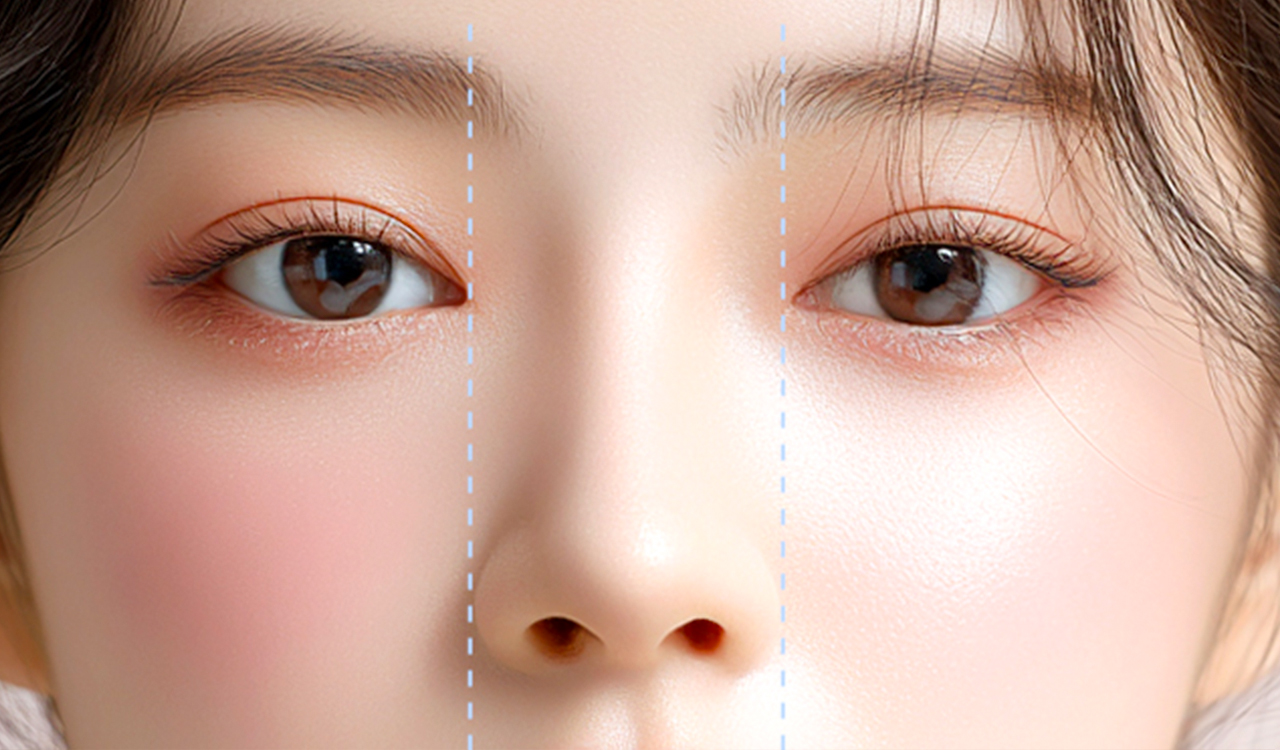
Nose Wing Reduction: Is Alarplasty Worth It? Pros, Cons, and Recovery Time
A nose wing reduction (alarplasty) is a surgical option for those whose nostril wings are naturally thick, wide, or flared while their nasal bridge height and tip projection already suit their overall facial proportions. This procedure selectively reshapes or excises
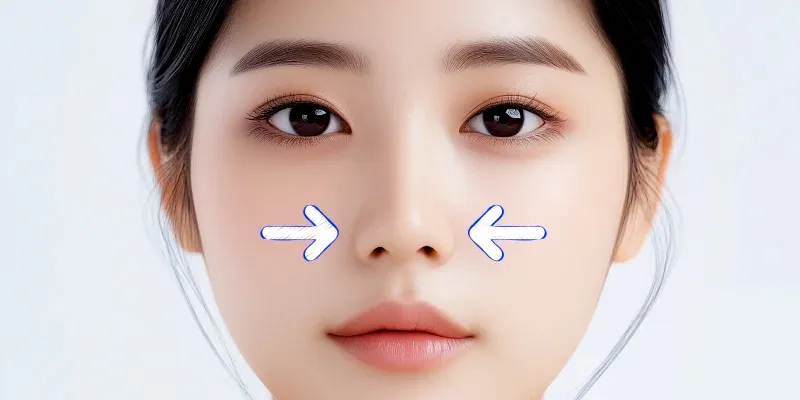
Alar Base Reduction Technique: Rolling vs. Excision Comparison
An alar base reduction technique narrows flared or wide nostrils by either folding the nostril rim inward with internal sutures or excising a targeted strip of tissue. In Ho Chi Minh City, Vietnam, plastic surgeons perform four main surgical variations
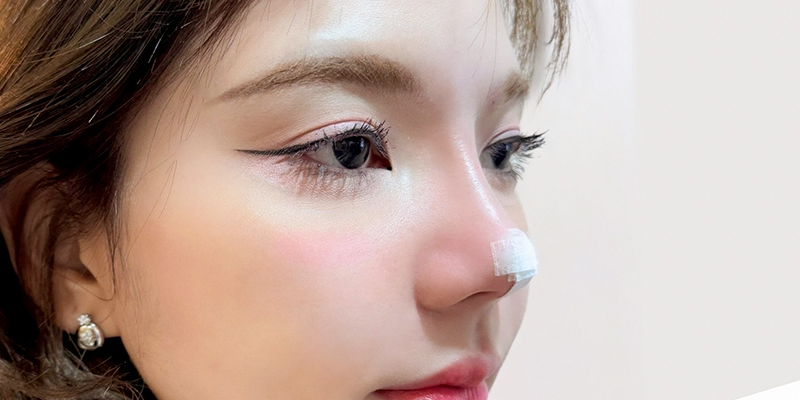
Top 5 Rhinoplasty Clinics in Ho Chi Minh
Rhinoplasty clinics in Ho Chi Minh City offer safe cosmetic nose surgery: Gangwhoo Aesthetic Hospital, JW Korean Aesthetic Hospital, Kangnam Aesthetic Hospital, Thu Cúc Aesthetic Hospital, and Keangnam Korea. In 2026, market rates for cosmetic nose surgery across these facilities
Collagen Injection vs. Laser for Facial Skin: Cost, Recovery, and Fit
A collagen injection vs laser for aging facial skin, which is better? They are two distinct approaches to facial rejuvenation and do not replace each other. Lasers work from the outside in to correct surface texture and pigment, while injected
Collagen Shots for the Face vs. Mesotherapy: Aging Grades, Cost, and Results
Deciding between collagen shots for the face and mesotherapy comes down to identifying which layer of your skin is experiencing aging. Mesotherapy nourishes the superficial skin layers for quick surface hydration, whereas collagen shots for the face rebuild structural density