Skip to content

Glow Mesotherapy: What It Costs and How to Fit a Course Into a Trip
A single glow mesotherapy session in Ho Chi Minh City costs $60 to $150. However, one session on its own does little, and a full course runs 3 to 6 visits spaced 2 to 4 weeks apart.
If you live here, that spacing is a scheduling detail. If you’re flying home for three weeks, it’s the whole decision. You can fit two sessions into a typical trip, which is the front half of a protocol, and what happens to the other half is a question worth settling before you pay for a package. Here’s what the treatment does, what each type of cocktail costs, and how to plan a course around a return flight.
Fitting a Course Into a Trip Home
Two sessions is what a three-week visit realistically holds, at a 2-week interval, with a few days either side for the consultation and for any bruising to settle before you fly. A four-week stay stretches to three sessions.
Three ways to handle the gap between what fits and what a full course needs:
- Split across two trips: Two or three sessions this visit, the rest on your next one. Hyaluronic acid keeps working between visits, so a gap of several months doesn’t undo what you’ve had. You start the second block from a better baseline rather than from scratch.
- One session as a top-up: If you’ve had a course before, a single visit maintains it. This is the cleanest option for a short trip and the one most repeat clients settle into.
- Extend the stay: Six to ten weeks covers a full course at proper intervals. Worth it only if you’re already staying that long for other reasons.
What doesn’t work is compressing six sessions into three weeks. The interval isn’t padding. Skin repair after a controlled micro-injury runs over weeks, and stacking visits closer together adds cost without adding results.
Is Half a Course Wasted Money?
No, and this is the question most people flying home actually want answered. Each session deposits hyaluronic acid that binds water in the dermis, and that hydration doesn’t reverse when you stop. What you lose by stopping halfway is the compounding effect, not the sessions you paid for.
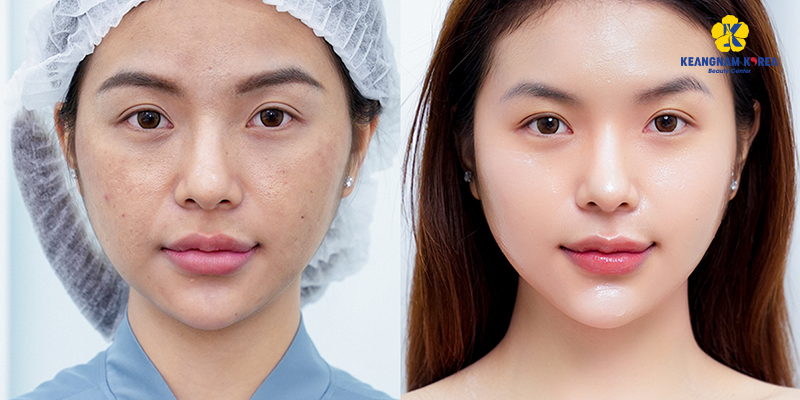
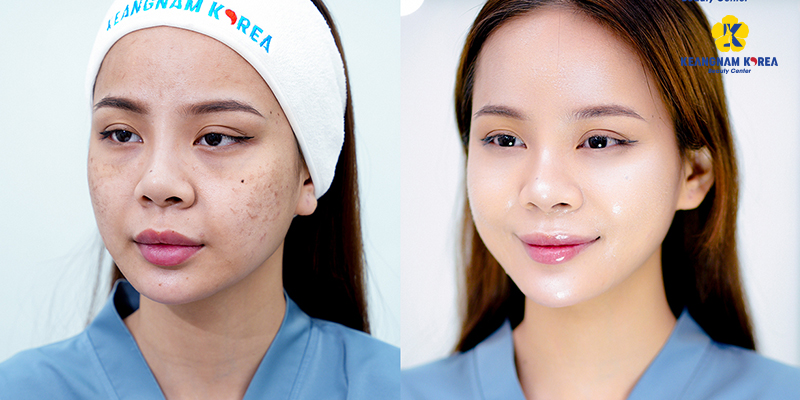
The practical difference: two sessions give you improved hydration and surface texture that you’ll notice for months. Five or six sessions build on that with firmer skin, because repeated micro-injury keeps recruiting the cells that rebuild the skin’s support network, and that rebuild takes weeks per round.
So a partial course is a smaller result, not a wasted one. Where people do lose money is buying a discounted six-session package and using two of them, then finding the package expires or doesn’t transfer to next year. Ask about expiry before you pay, and pay per session if the answer is vague.
What Glow Mesotherapy Actually Does
Glow mesotherapy places non-crosslinked hyaluronic acid into the dermis through a series of micro-injections, using a 30 to 32 gauge needle. Non-crosslinked means the gel stays thin and spreads sideways through tissue rather than holding a shape where it lands.
Filler does the opposite job. It adds volume in one spot, while a glow cocktail raises water content across a whole area, which changes how skin catches light without changing your facial contour.
The dermis sits 1 to 4 mm below the surface and holds the collagen network that decides how firm skin looks. Creams reach the top layer only, which is why a serum with the same active on the label produces a different result from an injection of it.
- What you can expect: better hydration below the surface, softer fine lines caused by dryness, and more even light reflection across the cheek.
- What it leaves alone: sagging tissue, deep lines etched by muscle movement, and lost facial volume. Those need different treatments.
Types of Skin Booster Used for a Glow Mesotherapy
Cocktail choice moves the price from $50 to $760 a session, so the formula matters more than the package name on the menu. Four categories cover what’s offered in HCMC.
- Basic hyaluronic acid: Non-crosslinked HA with vitamins and amino acids, at $60 to $150 (1.5–4 million VND) a session. This is the entry point, aimed at dehydration, dullness, and rough surface texture.
- Polynucleotide: Sold here as Rejuran Healer, Rejuran I, and Rejuran S, at $100 to $280 (2.59–7.49 million VND) per 2 ml ampoule. Aimed at skin already damaged by sun or by aggressive treatment, since the material supports tissue repair alongside hydration. This is the one to ask about if your barrier is compromised rather than just dry.
- Platelet-rich plasma: Your own blood, spun to concentrate platelets, then injected back, at $50 to $380 (1.29–10 million VND) a session. The wide band tracks the extraction kit. Because the material comes from you, allergy risk to the active itself is low.
- Profhilo: Purified hyaluronic acid at 64 mg per 2 ml, made by IBSA in Italy, placed through a five-point injection technique, at $320 to $760 (8.5–20 million VND) per 2 ml course. It targets laxity as well as hydration, which puts it a step past a standard glow protocol and explains the price.
How Much Glow Mesotherapy Costs in Ho Chi Minh City
A basic hyaluronic acid session runs $60 to $150, which puts a 3 to 6 session course at roughly $180 to $900. Premium formulas price separately. The table keeps everything per session so the comparison holds.
| Cocktail | Per session | Per session (VND) |
| Basic hyaluronic acid | $60–$150 | 1.5–4 million |
| Platelet-rich plasma | $50–$380 | 1.29–10 million |
| Polynucleotide, per 2 ml ampoule | $100–$280 | 2.59–7.49 million |
| Profhilo, per 2 ml course | $320–$760 | 8.5–20 million |
Four things move a quote inside those bands. The first is material. Product carrying FDA or CE certification with import paperwork costs the clinic more than a grey-market vial, and that difference has to show up somewhere. The second is who holds the syringe, since a specialist doctor charges above a technician.
The third is clinical complexity, because sensitised or previously over-treated skin needs a slower protocol across more visits. The fourth is operating cost: sterile rooms, single-use materials, and follow-up all sit inside the price.
What the Same Session Costs Across Asia
Ho Chi Minh City in Vietnam runs $60 to $150 a session against $470 to $940 in Singapore, a gap of roughly six to eight times for the same category of treatment.
| Market | Skin booster or glow mesotherapy, per session |
| Vietnam | $60–$150 |
| Seoul | $54–$269, premium boosters $200–$300 |
| Bangkok | From $56 for entry brightening protocols |
| Kuala Lumpur | $329–$684 |
| Singapore | $469–$938, plus a $39–$117 consultation fee |
Price alone settles nothing. Product certification, injector qualification, and whether you can reach anyone after you leave differ more between two clinics in one city than between two cities. Korean clinics package 4 to 6 sessions and Thai and Malaysian clinics commonly package 3 to 5, so compare course totals rather than headline session prices when you compare markets.
How Long Does Mesotherapy Last?
Hyaluronic acid skin booster results hold for about 6 to 9 months, and up to 12 months in some cases, according to published aesthetic clinical reporting. The body breaks down the added hyaluronic acid at roughly the rate it renews skin tissue, which is why the effect fades on that timescale rather than disappearing at a fixed point.
Surface plumping shows within days. The fuller effect settles around 4 to 6 weeks after the course ends, so judging the result at week two is judging it early.
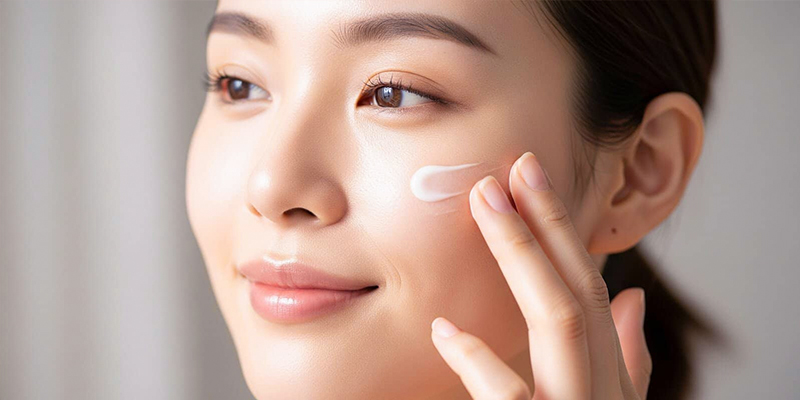
Two habits move the number in opposite directions. Daily sunscreen and steady hydration push it toward the upper end. Heavy sun exposure and smoking pull it down. Most clinics book maintenance at 6 to 9 months, which for someone flying home once a year usually means one top-up per visit.
How Often You Need a Session
Clinic protocols across Asia run 3 to 6 sessions spaced 2 to 4 weeks apart, then maintenance. Korean clinics price packages of 4 to 6 sessions; Thai and Malaysian clinics commonly package 3 to 5. That’s a reasonable picture of standard regional practice, and your own number should come from a skin assessment rather than a price list.
After the initial course, a single maintenance session every 6 to 9 months holds the result for most people. That cadence fits an annual trip home without any scheduling gymnastics.
What Are Mesotherapy Side Effects?
Most reactions settle within 24 to 48 hours, because each injection point holds a fraction of a millilitre that surrounding tissue absorbs within a day or two.
- Injection papules: Small raised bumps at each entry point. Expected, and gone within hours to two days.
- Bruising: More likely in thin skin, and in anyone taking blood thinners or fish oil. This is the one that matters if you’re flying, since cheek and under-eye bruising is the most visible kind.
- Redness and swelling: Usually gone inside 48 hours.
- Tenderness: Mild soreness across the treated area for about a day.
The less common problems carry more weight: infection, prolonged nodules, granuloma formation, and allergic reaction to an ingredient. These trace back to unlicensed products, poor sterility, or an injector without medical training, which is why the checks in the clinic section below matter more than the brand of the cocktail.
What is Needle-Free Mesotherapy?
Needle-free mesotherapy uses micro-pressure or ultrasonic energy to drive serum through the pores without puncturing the skin. It removes the injection papules, the bruising risk, and most of the discomfort. That makes it a sensible option if you’re needle-averse, if your skin is reactive, or if you want to try the treatment before committing to a course.
The trade-off is depth. Micro-injection places the active directly in the dermis, and for entrenched dullness or textural change that directness produces the stronger result. Neither method wins outright, and the choice should follow a skin assessment rather than a preference you arrive with.
For a short trip, needle-free mesotherapy has one practical advantage worth weighing: nothing to hide in photographs the next day.
→ Needle-free mesotherapy at Keangnam Korea
Mesotherapy for Skin Brightening and What It Won’t Change
Brightening cocktails built on vitamin C, glutathione, or tranexamic acid reduce dullness and even out tone, and Korean clinics price mesotherapy for skin brightening as a separate category at $101 to $168 a session. In HCMC the equivalent pigment-focused protocol runs $60 to $150 (1.5–4 million VND) a session.
What that does is even out tone. What it doesn’t do is change your baseline skin colour, and any clinic implying otherwise is worth walking away from.
Melasma is a separate matter. It’s a hormonally driven pigment condition that resists treatment and tends to return, and it needs a dermatologist’s assessment before anything is injected or lasered, since the wrong approach can darken the patch. If your concern is symmetrical brown patches across the cheeks rather than general dullness, book a diagnosis first.
Who Should Skip a Course for Now
Three situations make this the wrong booking, and a clinic worth using will say so before taking a deposit.
- Fewer than 10 days left in the country: Book a single session, not a course. A 3 to 6 session protocol needs 2 to 4 weeks between visits, and there’s no version of it that fits inside a week and a half.
- Looking for a lift or added volume: Skip this treatment. Hydration protocols don’t move tissue, and the result will read as no result. Say what you actually want at consultation and let the doctor tell you which category it falls into.
- Pregnant, breastfeeding, on anticoagulant therapy, with a bleeding disorder, or with an active infection in the treatment area: Get medical clearance first. Injecting through infected skin spreads bacteria, and thin blood turns small bruises into large ones.
How to Check a Clinic in Vietnam Before You Book
Vietnam licenses beauty spas, specialist clinics, and cosmetic hospitals separately, and only the clinical tiers may perform injections. Five checks settle which one you’re standing in.
- Ask to see the operating licence: Confirm injection procedures appear on it. A beauty spa licence doesn’t cover them.
- Ask who performs the injection: Request medical registration, not a job title.
- Ask to see the product box and batch number: Before it’s opened. A clinic that declines has answered the question.
- Get the protocol in writing: Session count, spacing, total cost, package expiry, and what happens if you need an extra session.
- Ask what happens if something goes wrong: And who you contact.
A price far below the market band usually reflects the product, the injector, or both. Treat it as information rather than as a bargain.
Skin Boosters at Keangnam Korea
Keangnam Korea runs hydration and skin-quality protocols in HCMC, built around a session calendar that fits the days a client has in the country.
- Sets the session count from what your skin assessment shows, so you don’t pay for a longer course than your case needs.
- Keeps the assessment and the injection with the same doctor, so the plan you agreed to is the plan performed.
- Cuts infection risk to the level of a hospital theater, because each injection runs in a sterile treatment room on a one-way workflow.
- Sees one client per room, so nobody sits beside you in a waiting area.
For clients flying in, appointments are packed into the days remaining in Vietnam. An English-speaking coordinator stays with you through the visit, so you hear the risk list in your own language before you sign, and a follow-up channel stays open after you fly home.
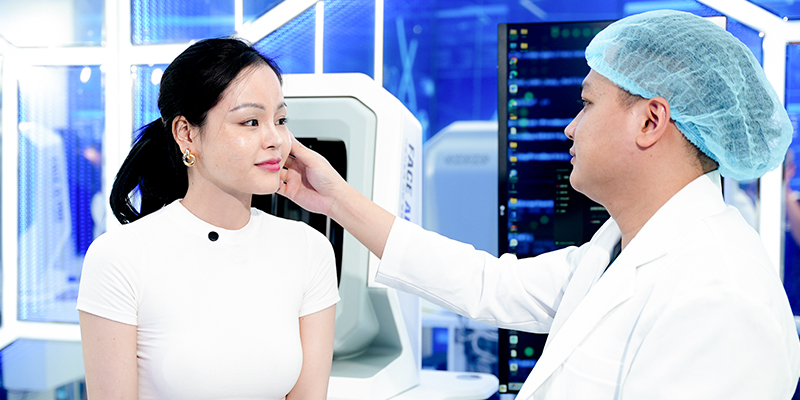
Your first visit
Skin assessment, medication and allergy review, then a written protocol naming the product, the session count, and the spacing. Bring your current skincare list and any record of previous injectable treatment.
Book a consultation to get a written quote and a session calendar built around your travel dates.
A Word on Planning a Course
Glow mesotherapy gives a real improvement in hydration and surface quality without asking for time off, and it holds up when your expectations match what a hydration treatment can do. If you’re flying home, plan the calendar before the budget. Two well-spaced sessions on this trip and two on the next will serve you better than six crammed into a fortnight, and any clinic that agrees with that is one worth booking with. Get a skin assessment from a licensed dermatologist or aesthetic doctor before any deposit changes hands.
Frequently Asked Questions
Can I fit a full glow mesotherapy course into a 3-week trip?
Three weeks fits two sessions at a 2-week interval, which is the front half of a standard 3 to 6 session course. Many clients split the course across two trips home. Ask the clinic to build the calendar around your return date, and ask whether any package you buy expires.
Is glow mesotherapy painful?
Most people describe it as tolerable. Numbing cream applied for 30 to 45 minutes beforehand brings the sensation down, and the needles are 30 to 32 gauge. Expect mild stinging during the injection and tenderness across the area for about a day afterwards.
How soon can I fly after a session?
No published guidance sets a waiting period after non-surgical injectable treatments, so ask your treating doctor. Leaving 24 to 48 hours lets bruising and swelling settle before cabin dehydration, and cheek or under-eye bruising is the most visible kind. Confirm the interval at consultation.
Who follows up if a reaction appears after I return home?
Ask before the first injection. Get a named contact, a messaging channel, and a written list separating expected reactions from warning signs. Photograph the product box and batch number on treatment day so a doctor in your home country can act on specifics rather than a description.
How does glow mesotherapy compare with a chemical peel?
A peel works on the surface, clearing dead cells to improve texture and clarity. Glow mesotherapy works 1 to 4 mm down, raising hydration and supporting collagen. They treat different layers, so clinics often run them in sequence across a protocol rather than choosing between them.
Does a skin booster help acne-prone skin?
Hydration protocols can improve barrier function in acne-prone skin, but active inflamed acne should be treated first. Clinics in HCMC run separate acne mesotherapy formulas aimed at inflammation and sebum control, and those are priced and planned differently from glow cocktails.
RELATED ARTICLES
Alarplasty and Rhinoplasty Comparison: Which Procedure Fits Your Nose Shape
Selecting between alarplasty and rhinoplasty depends on whether your lower nose appears wide due to flared soft tissue or a low, unsupported structural bridge. Alarplasty isolates and reshapes the nostril wings at the base, whereas rhinoplasty elevates, straightens, or rebuilds
Nose Wing Reduction: Is Alarplasty Worth It? Pros, Cons, and Recovery Time
A nose wing reduction (alarplasty) is a surgical option for those whose nostril wings are naturally thick, wide, or flared while their nasal bridge height and tip projection already suit their overall facial proportions. This procedure selectively reshapes or excises
Alar Base Reduction Technique: Rolling vs. Excision Comparison
An alar base reduction technique narrows flared or wide nostrils by either folding the nostril rim inward with internal sutures or excising a targeted strip of tissue. In Ho Chi Minh City, Vietnam, plastic surgeons perform four main surgical variations
Top 5 Rhinoplasty Clinics in Ho Chi Minh
Rhinoplasty clinics in Ho Chi Minh City offer safe cosmetic nose surgery: Gangwhoo Aesthetic Hospital, JW Korean Aesthetic Hospital, Kangnam Aesthetic Hospital, Thu Cúc Aesthetic Hospital, and Keangnam Korea. In 2026, market rates for cosmetic nose surgery across these facilities
Collagen Injection vs. Laser for Facial Skin: Cost, Recovery, and Fit
A collagen injection vs laser for aging facial skin, which is better? They are two distinct approaches to facial rejuvenation and do not replace each other. Lasers work from the outside in to correct surface texture and pigment, while injected
Collagen Shots for the Face vs. Mesotherapy: Aging Grades, Cost, and Results
Deciding between collagen shots for the face and mesotherapy comes down to identifying which layer of your skin is experiencing aging. Mesotherapy nourishes the superficial skin layers for quick surface hydration, whereas collagen shots for the face rebuild structural density