Skip to content


What Is a SMAS Facelift? Procedure, Recovery, and Cost
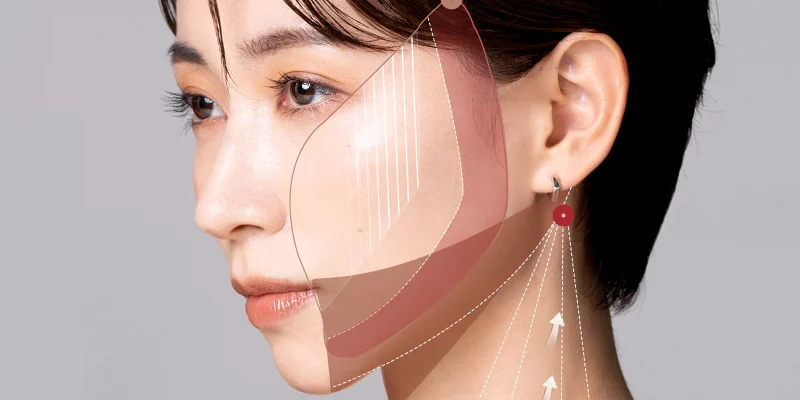
A SMAS facelift is a surgical procedure that elevates both the skin and the underlying superficial musculoaponeurotic system (SMAS)—a fibrous, muscular sheet supporting the midface, cheeks, and neck. Operating directly on this deeper anatomical layer restores facial contours and smooths heavy jowls without creating a stretched skin look.
In Ho Chi Minh City, Vietnam, a surgical SMAS facelift ranges from $2,684 to $4,601 (70 to 120 million VND) at specialized hospitals. International visitors generally plan a 10 to 14-day stay in Vietnam for post-operative drain removal, suture checks, and flight clearance.
Below is an overview of what the SMAS layer is, surgical steps, comparisons with deep plane and non-surgical HIFU, candidate criteria, recovery stages, safety data, and 2026 pricing in HCMC.
Key Takeaways
- Anatomical Definition: The SMAS (superficial musculoaponeurotic system) is a continuous layer of collagen fibers and muscle connecting facial expression muscles to the skin.
- Natural Contour Elevation: Tightening the SMAS layer bears the structural load of the lift, eliminating surface skin tension and preventing visible scar widening.
- Long-Term Result Profile: Surgical SMAS repositioning maintains elevated facial contours for 8 to 15 years.
- Non-Surgical vs. Surgery: High-Intensity Focused Ultrasound (HIFU) targets the SMAS layer at a depth of 4.5 mm using acoustic energy for mild tightening, whereas surgery physically repositions and trims sagging SMAS tissue.
What Is the SMAS Layer?
The SMAS is a supportive structural network beneath subcutaneous fat that links facial muscles to the skin plane. It connects with the platysma muscle in the neck below, extending upward to the temporal fascia and forehead muscles.
As facial aging progresses, collagen depletion and gravity cause this fibrous sheet to stretch and descend. Because subcutaneous fat fat-pads are anchored to the SMAS, its descent creates noticeable midface sagging, deep nasolabial folds, and hanging jowls along the jawline.
Pulling surface skin alone without securing the underlying SMAS results in short-lived outcomes and a stretched facial expression. Tightening the SMAS layer restores anatomical structure where sagging begins.
Who Is a Good Candidate for a SMAS Facelift?
An ideal candidate for SMAS facelift surgery presents:
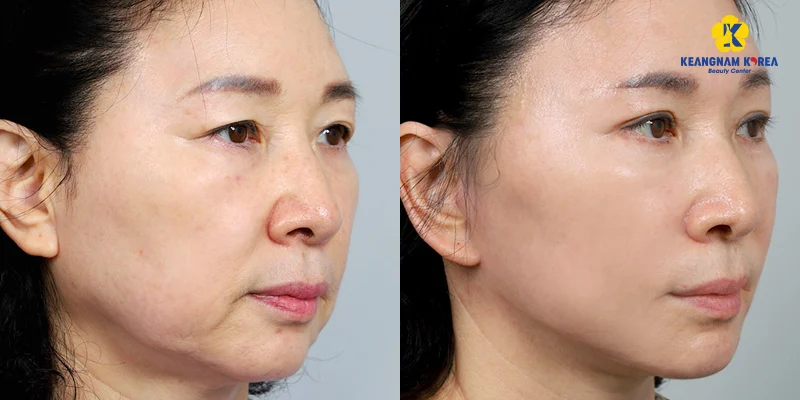
- Age Demographic: Typically 45 to 65+ years old with noticeable facial sagging.
- Structural Sagging: Visible jowls along the mandible, sunken cheek fat pads, and deep smile lines.
- Adequate Skin Elasticity: Skin that retains sufficient flexibility to heal smoothly after incision.
- Good Overall Health: Non-smokers without unmanaged hypertension, bleeding disorders, or severe cardiovascular disease.
How Is a SMAS Facelift Performed?
A SMAS facelift requires 3 to 5 hours under local sedation or general anesthesia. Surgeons apply one of two primary techniques to manipulate the muscular layer:
- SMAS Plication: The surgeon folds and sutures the SMAS layer over itself to elevate cheek contours. This approach works best for moderate tissue laxity.
- SMAS Plication & Ectomy (Somatic Imbrication): The surgeon elevates a section of the SMAS, trims excess fibrous tissue, and anchors the layer higher onto dense facial bone structures. This provides stronger support for heavy jowls.
Step-by-Step Surgical Sequence
- Incision Placement: The incision begins within the temple hairline, curves along the front cartilage of the ear, wraps around the earlobe, and extends into the lower scalp.
- Skin Dissection: The surgeon carefully elevates surface skin away from the underlying SMAS layer.
- SMAS Repositioning: The SMAS layer is lifted diagonally upward, tightened via plication or excision, and secured with heavy sutures.
- Skin Trimming & Closure: Surplus surface skin is trimmed without tension, and incisions are closed with fine surgical sutures.
SMAS Facelift vs. Deep Plane vs. Mini Facelift
Selecting among surgical facial lifting methods depends on tissue laxity depth, desired longevity, and incision length:
| Factor | Mini Facelift | SMAS Facelift | Deep Plane Facelift |
| Working Layer | Skin & light SMAS | Separate skin & SMAS dissection | Sub-SMAS unit (Skin & SMAS together) |
| Target Zone | Lower jawline | Cheeks, jowls, & lower jawline | Severe midface droop & heavy jowls |
| Incision Length | Short (Front of ear) | Standard (Temple around ear) | Full hairline & ear margin |
| Result Duration | 5 to 7 Years | 8 to 15 Years | 10 to 15+ Years |
| HCMC Cost Range (2026) | $1,534 – $2,684 (40 – 70M VND) | $2,684 – $4,601 (70 – 120M VND) | $3,067 – $5,752 (80 – 150M VND) |
Which Surgical Facelift Technique Should You Choose?
- Choose a Mini Facelift if: You are aged 38 to 50 with mild-to-moderate jowling along the lower jawline, maintain good skin elasticity, and want a shorter incision with a quicker 7-to-10-day recovery period before returning to work.
- Choose a SMAS Facelift if: You are aged 45 to 65 with noticeable cheek descent, sagging jowls, and deep nasolabial folds, seeking a proven technique that addresses deeper muscular support for natural, long-lasting results (8 to 15 years).
- Choose a Deep Plane Facelift if: You are aged 50 or older presenting severe midface sagging, heavy drooping jowls, and significant skin laxity, requiring direct release of facial retaining ligaments for maximum structural elevation (10 to 15+ years).
Surgical SMAS Facelift vs. Non-Surgical Options
Non-surgical energy treatments like High-Intensity Focused Ultrasound (HIFU), radiofrequency (RF), or thread lifts can temporarily replace surgical SMAS facelifts for individuals aged 30 to 45 presenting mild-to-moderate skin laxity without significant redundant hanging skin.
HIFU delivers targeted acoustic energy directly to the SMAS layer at a depth of 4.5 mm, shrinking collagen fibers and stimulating thermal contraction to firm up early jowling. In Ho Chi Minh City, non-surgical HIFU costs $767 to $2,301 (20 to 60 million VND), requiring zero recovery downtime and providing visible tightening for 1 to 2 years.
When Can Non-Surgical Treatments Replace Surgery?
- Early Structural Aging (Ages 30 to 45): Your skin retains good natural elasticity, and lower-face sagging is driven primarily by subtle collagen depletion rather than heavy tissue descent.
- Volume Loss Over Skin Excess: Sagging stems from flat cheek fat pads that can be restored using dermal fillers or collagen biostimulators combined with skin-tightening devices.
- Strict Downtime Constraints: You cannot allocate 10 to 14 days for post-surgical swelling, drain management, and suture removal during your stay in Ho Chi Minh City.

When Is a Surgical SMAS Facelift Unavoidable?
Non-surgical devices cannot replace surgery when noticeable redundant skin folds, heavy hanging jowls, or severe platysmal neck bands exist. Because energy devices and threads can only tighten or suspend existing tissue without removing excess skin, attempting to treat severe laxity non-surgically leads to minimal, short-lived improvement or an overfilled facial appearance.
In these cases, physical SMAS repositioning and surgical skin trimming provide the only long-lasting, predictable solution.
SMAS Facelift Recovery Timeline
Post-operative recovery follows a structured progression over six months:
- Day 1: Surgical drain removal and initial wound dressing change at the clinic.
- Days 2 to 3: Compression bandages transition to a supportive elastic facial sling.
- Day 7: Skin sutures and scalp staples are removed; initial surgical review.
- Week 2: Approximately 70% to 80% of bruising fades; desk work and public activities resume.
- Month 1: Daily social activities resume; light walking permitted.
- Months 3 to 6: Deep muscle tissue settles fully, exposing final refined contours.
→ For lower neck rejuvenation during recovery, consider non-surgical neck lift options.
SMAS Facelift Cost in Ho Chi Minh City (2026)
SMAS facelift surgery costs in Ho Chi Minh City vary based on facility licensing, surgeon credentials, and combined procedures:
| Service Category | Cost Range (USD) | Cost Range (VND) |
| Standard SMAS Facelift | $2,684 – $4,601 | 70 – 120 Million VND |
| Full Deep Plane Facelift | $3,067 – $5,752 | 80 – 150 Million VND |
| Combined SMAS Face & Neck Lift | $4,601 – $7,669 | 120 – 200 Million VND |
Total fees include operating room usage, general anesthesia, board-certified surgical team compensation, post-op nursing, and follow-up care.
→ Learn more: facelift cost in Vietnam

Ready for a younger, refreshed look but unsure which lifting option matches your itinerary? Let our experts evaluate your skin laxity and build your exact recovery timeline before you pack your bags. Reach out via hotline at 0911 833 555 now—we’ll answer all your questions, provide an itemized quote, and set up your seamless, flight-ready appointment!
What is the main difference between a SMAS lift and a traditional facelift?
A traditional skin-only facelift pulls surface skin, which can create a stretched appearance. A SMAS facelift elevates the deeper muscular layer, providing natural structural support and longer-lasting results.
How long do SMAS facelift results last?
Results typically last 8 to 15 years. While the procedure resets your facial baseline, natural chronological aging continues from a younger starting point.
Is SMAS facelift surgery painful?
Surgery is performed under sedation or general anesthesia, ensuring zero pain during the operation. Post-operative tightness and mild soreness during the first 3 days are managed easily with prescribed oral analgesics.
RELATED ARTICLES

Top Korean Rhinoplasty Clinics in Ho Chi Minh City & Latest Price List
A Korean rhinoplasty clinic in Ho Chi Minh City charges about $537 to $859 (14 to 22.4 million VND) for a basic Korean-style nose lift with an artificial implant, and $1,150 to $2,995 (30 to 78.1 million VND) for structural

Is Nose Thread Lift Safe? Results, Risks and Alternatives
A nose thread lift is generally safe when a trained doctor performs it in sterile conditions on an appropriate nose shape, but it still carries surgical risks such as infection, visible thread outlines, and thread migration. Results typically persist for

Mesotherapy for Skin Brightening: Costs, Clinic and Safety Guide
Mesotherapy for skin brightening cost in Ho Chi Minh City ranges from $58 to $192 (1.5 to 5 million VND) per session for basic vitamin C and hyaluronic acid formulas, reaching $460 to $959 (12 to 25 million VND) for

How Much Does Mesotherapy Cost in Vietnam?
Mesotherapy in Vietnam costs about $77 to $575 (2 to 15 million VND) per session in Ho Chi Minh City, depending on your treatment goal and active ingredients. A basic hyaluronic acid session starts lower, at $58 (1.5 million VND).

How to Get Fair Skin for Men? 6 Skin Brightening Treatments for Men in Ho Chi Minh City
How to get fair skin for men? Skin brightening for men focuses on eliminating sun tan, rough texture, and dark spots to reveal your natural skin tone. While daily sun protection and niacinamide serums manage light surface dullness, professional options

Collagen Injection: Benefits, Types, Pain and Price in Ho Chi Minh City
A collagen injection places purified collagen, or a biostimulatory substance that prompts your skin to build its own collagen, into the dermal layer to improve firmness, skin thickness, and fine lines. Collagen injection prices in Ho Chi Minh City vary