Skip to content


Eyelid Surgery Recovery Time Abroad: How Soon Can You Fly?
Eyelid surgery abroad needs 7 to 10 days after upper blepharoplasty and 10 to 14 days after lower or full eyelid surgery. While the operation itself takes under two hours, you must remain on the ground until sutures are removed (typically Days 5–7) and cabin pressure no longer poses a risk of swelling, bleeding, or wound separation
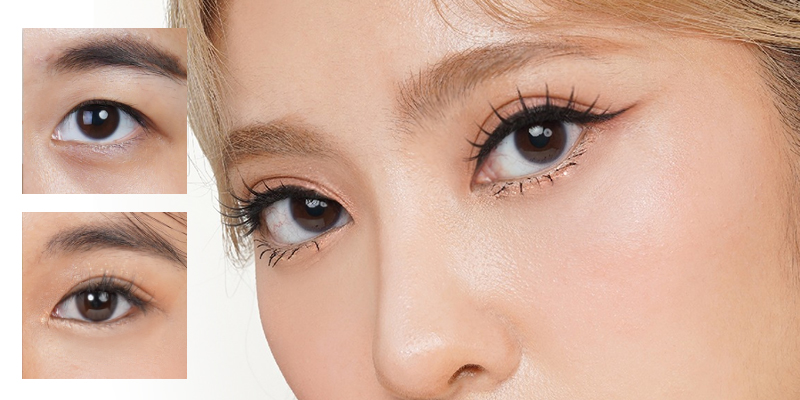
Eyelid Surgery Recovery Time Abroad in 3 Stages
Understanding your eyelid surgery recovery time abroad is essential for planning a safe medical travel itinerary. Recovery after upper blepharoplasty or lower blepharoplasty unfolds in three stages spread across 10 to 14 days. Each stage serves a specific medical purpose that requires you to remain within reach of your operating clinic.
Stage 1 (Days 1–3): Peak Swelling, Bruising & Tissue Tightness
During the first 72 hours, tissue inflammation reaches its peak. You will experience eyelid tightness, localized bruising, and mild blurred vision due to post-operative edema and protective ophthalmic ointments.
- Essential Care: Apply cold compresses for 10–15 minutes per session, 3 to 4 times daily, to minimize swelling.
- Travel Status: Ground Rest Only. Do not attempt long-distance travel, screen-heavy tasks, or intense physical exertion.
Stage 2 (Days 5–7): Suture Removal & In-Clinic Review
By Day 5, acute swelling and bruising begin to subside significantly. This stage contains the most critical milestone of your medical trip: in-person suture removal.
- Clinical Necessity: Your surgeon must physically inspect the incision line to ensure primary wound closure before removing non-absorbable sutures.
- Travel Status: Mandatory Clinic Visit. This appointment cannot be skipped, delayed, or transferred to an unassigned doctor back home.
Stage 3 (Days 7–10): Wound Closure & Crease Stabilization
As the incision lines fully seal, your new double eyelid crease or smoothed lower lid contour begins to settle naturally. The tissue transitions from looking like “recent surgery” to a refined cosmetic result.
- Flight Readiness: Most patients receiving upper blepharoplasty receive final flight clearance between Days 7 and 10 once stitch points close completely.
Key Factors That Affect Your Healing Speed
Individual healing timelines vary. Three primary variables dictate your recovery pace:
- Individual Physiology: Natural vascular recovery, age, and tendency to bruise or swell.
- Procedural Complexity: Upper blepharoplasty generally heals faster than complex lower blepharoplasty or fat repositioning, which disturb deeper tissue layers.
- Adherence to Aftercare Instructions: Following elevation, ice-pack application, and eye-drop protocols strictly.
Normal Recovery Symptoms: According to clinical guidelines from the American Society of Plastic Surgeons (ASPS), mild discomfort, swelling, temporary dry eyes, light sensitivity, and bruising are completely normal during initial healing. None of these symptoms indicate a surgical complication on Day 2, but all of them reinforce why your return flight date should remain flexible.
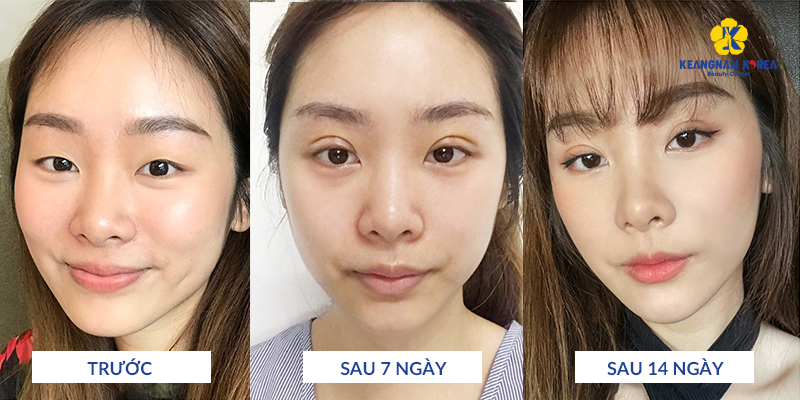
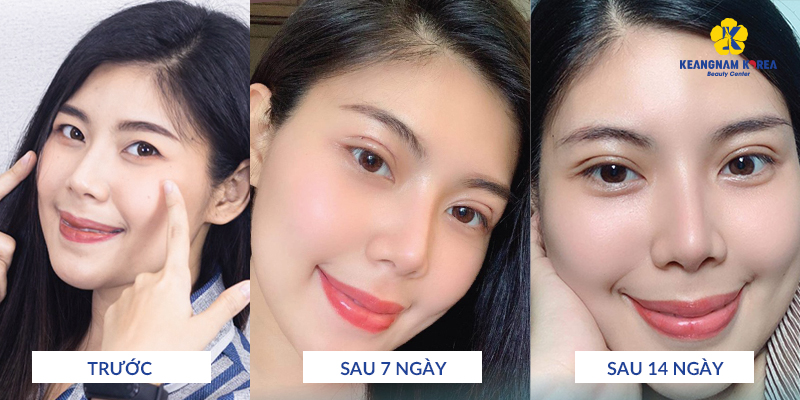
→ Eyelid cut at Keangnam Korea
How Soon Can You Fly After Blepharoplasty?
Most board-certified plastic surgeons require international customers to wait 7 to 14 days between eyelid surgery and a return flight. Even for short domestic flights, many specialists recommend at least 10 to 14 days on the ground before air travel.
2 In-Flight Risks: Cabin Pressure & Dry Air
Two primary airplane environment factors drive the mandatory post-operative waiting window:
- Cabin Atmospheric Pressure Shifts: Atmospheric pressure changes during takeoff and landing can exacerbate localized tissue edema (swelling) and risk reopening unhealed incision lines.
- Extremely Low Cabin Humidity: The ultra-dry ambient air inside an airplane cabin pulls moisture rapidly from eyes that are already prone to post-surgical dry eye syndrome, corneal irritation, and lagophthalmos.
4 Safety Rules Before Boarding Your Flight
Before your operating surgeon grants official flight clearance, your eyes must meet four non-negotiable clinical criteria:
- Physical Suture Extraction: All non-absorbable stitches are completely removed and the incision line is physically inspected in-person by your surgeon.
- Subsiding Edema: Early swelling and inflammation are actively decreasing rather than still building or plateauing.
- Closed & Dry Incisions: The surgical wound shows zero active bleeding, discharge, or open gaps along the crease.
- Direct Surgeon Clearance: You have received explicit, written permission to fly from your operating doctor rather than relying on general internet guidelines.
In-Flight Packing Tip: Always keep prescribed eye drops, preservative-free artificial tears, pain relievers, and protective dark sunglasses in your carry-on luggage. Bring gel ice packs to apply if swelling flares up mid-flight.
Flying After Upper Blepharoplasty
Upper lid procedures sit at the shorter, more manageable end of the recovery window.
- Short-Haul Flights: Many surgeons clear uncomplicated upper blepharoplasty cases for short regional flights within 7 to 10 days once stitches are safely extracted.
- Long-Haul Flights: Overseas flights crossing multiple time zones are typically held until Day 14.
Because the upper eyelid possesses superior lymphatic drainage compared to the lower lid, localized swelling resolves significantly faster. While recovery timing for upper lid surgery is brief, total travel costs depend heavily on your destination, for instance, upper lid surgery in Ho Chi Minh City offers a wider price spectrum while keeping recovery timelines brief.
Flying After Lower Blepharoplasty
Flying after lower blepharoplasty requires a strict minimum of 10 to 14 days on the ground.
Lower lid surgery involves deeper tissue manipulation, fat repositioning, or orbital septum tightening. As a result, gravity causes fluid and bruising to pool in the lower cheek and sub-eye area longer than in upper lid cases.
- The Hidden Cost Impact: Expecting a lower blepharoplasty to heal on an upper lid schedule is a major travel error. The required 10-to-14-day stay adds 3 to 7 additional hotel nights to your itinerary.
- Avoid Flying Too Early: Attempting to fly too soon after lower lid surgery is the single most common reason medical travelers land home with severe, unmonitored swelling and subconjunctival hemorrhage.
Planning a Medical Trip for Eyelid Surgery in Ho Chi Minh City
When factoring in the initial consultation, procedure day, suture removal, and the mandatory waiting window before flying, a dedicated medical itinerary for eyelid surgery in Ho Chi Minh City requires a total stay of 12 to 16 nights.
Booking a trip that is too short is the single most common mistake medical travelers make. Vietnam is widely recognized as one of the best countries for eyelid surgery, offering Seoul-trained surgical expertise alongside affordable, long-stay recovery options.
1. Day-by-Day Medical Trip Itinerary
| Trip Timeline | Scheduled Medical & Recovery Milestones | Travel & Activity Status |
| Day 1 | In-person consultation, precise lid measurements, medical history review, and written quote | Arrival & gentle local orientation |
| Day 2 | Surgical procedure (Upper or Lower Blepharoplasty) | Rest in private recovery suite / hotel |
| Days 3 – 4 | Peak edema (swelling) window; apply cold compresses for 10–15 mins, 3–4x daily | Strict indoor rest; avoid screens & strain |
| Days 5 – 7 | Mandatory In-Clinic Visit: Wound inspection and physical suture removal | Light walking; swelling begins to drop |
| Days 8 – 10 | Double eyelid crease settles; initial tissue inflammation clears | Short local outings become comfortable |
| Days 10 – 14 | Final Pre-Flight Review: Surgeon confirms wound stability and issues flight clearance | Packing, final checks, and flight home |
2. Total Cost Breakdown: Eyelid Surgery & 14-Night Stay in HCMC
Building an accurate budget for eyelid surgery abroad requires accounting for four core expense categories:
- Surgical Procedure Fees:
- Upper Blepharoplasty: $270 – $1,670 (7M – 44M VND)
- Lower Blepharoplasty: $200 – $950 (5.2M – 25M VND)
- Pricing Drivers: Variations reflect surgical techniques (non-incisional vs. incisional), surgeon sub-specialization, and hospital facility standards rather than marketing markups.
- Accommodation (14-Night Minimum Stay):
- Budget / Serviced Apartments: From $17/night (~$240 total for 14 nights).
- Luxury / 5-Star District 1 Hotels: $180 – $450/night during peak travel seasons.
- Transportation & Flight Logistics: Airfare varies by origin city, plus local ride-hailing services for 2 to 3 clinic visits.
- Post-Operative Follow-up Care: At least two dedicated post-op visits (Suture Removal at Day 5–7 and Final Flight Clearance at Day 10–14)—both typically included in clinic packages.
3. Vietnam vs. Regional Hubs
Even when choosing luxury 5-star accommodation in District 1, the entire cost of eyelid surgery plus a 14-night hotel stay in Ho Chi Minh City is substantially lower than standalone surgery fees in Singapore, Australia, or the US.
Travel Tip: Financial savings only hold if your stay is long enough to ensure safe recovery. Always require your clinic to include the exact minimum number of recommended nights in their written quote prior to booking your flights.
Dưới đây là bản biên tập tối ưu chuẩn SEO On-Page & GEO (Generative Engine Optimization) cho phần nội dung What Counts as the Best Country for Eyelid Surgery?, nhắm chính xác vào từ khóa phụ (best country for eyelid surgery, upper blepharoplasty, eyelid surgery recovery time) và tối ưu trải nghiệm đọc (UX) với bảng so sánh toàn cầu.
What Counts as the Best Country for Eyelid Surgery?
When evaluating the best country for eyelid surgery, pricing gaps between global medical hubs can vary by up to 12 times at the midpoints. For example, lower eyelid surgery in Ho Chi Minh City costs between $200 and $950, compared to $4,690 to $11,720 in Singapore for the same procedure.
1. 2026 Global Cost Comparison: Lower Blepharoplasty
| Global Medical Market | Lower Eyelid Surgery (USD) | Data Source Baseline |
| Ho Chi Minh City, Vietnam | $200 – $950 (5.2M – 25M VND) | Vietnamese accredited clinic price lists |
| South Korea (Seoul) | $1,000 – $3,000 | Noonopi Plastic Surgery |
| Thailand (Bangkok) | $1,050 – $1,670 | Bookimed, Privato Clinic |
| Malaysia (Kuala Lumpur) | $2,000 – $3,600 | Bookimed Malaysia |
| Japan (Tokyo) | $2,080 – $2,910 | Nakao Plastic Surgery, Tokyo |
| London, United Kingdom | $4,040 – $8,750 | Kensington Medical (2026 Data) |
| Singapore | $4,690 – $11,720 | illumia Medical |
2. Upper Blepharoplasty Pricing Comparison
Upper lid procedures follow a similar cost distribution:
- Ho Chi Minh City, Vietnam: $270 – $1,670 (7M – 44M VND)
- South Korea (Surgery-Only): $1,333 – $2,000
- South Korea (International Tourist Packages): $2,100 – $3,300 (Includes translation & 4-star hotel stays)
How to Choose the Best Market for Your Surgery
A cheaper medical destination that requires a 20-hour flight each way is a poor trade-off if you ever require an in-person revision review.
Because Korean micro-measurement crease techniques are performed in both Seoul and Ho Chi Minh City by surgeons trained under identical standards, evaluate your options based on travel distance, post-op follow-up access, and the surgeon’s verified track record, then let price break the tie.
For primary upper or lower blepharoplasty, Vietnam delivers world-class Korean surgical technique and direct follow-up care at a fraction of Western or East Asian prices.
Local Dietary Guidelines After Eyelid Surgery in Vietnam
Clinics across Vietnam routinely provide international customers with a traditional post-operative dietary list for the first 7 to 10 days. While these dietary rules reflect local clinical culture rather than peer-reviewed Western clinical trials, they are simple to observe while recovering in Ho Chi Minh City.
| Dietary Category | Specific Food Items | Rationale & Post-Op Purpose |
| Foods to Restrict (Days 1–10) | Beef & Dark Meats | Believed locally to cause dark or uneven scar pigmentation. |
| Chicken & Seafood | May induce localized skin irritation, itching, or allergic rash. | |
| Water Spinach (Rau Muống) | Associated in local practice with hypertrophic or raised scarring. | |
| Glutinous Rice (Xôi / Chè) | Considered “heating” in traditional care, potentially increasing inflammation or pus. | |
| Spicy & Hot Foods | Triggers facial flushing, sweating, and increased localized blood flow. | |
| Recommended Foods (Days 1–10) | Vitamin A & C Rich Foods | Supports primary tissue repair, cellular immunity, and collagen synthesis. |
| High-Fiber Whole Foods | Prevents post-operative constipation associated with pain medications. |
Eyelid Surgery Risks & Travel-Specific Complications
According to official clinical guidelines from the American Society of Plastic Surgeons (ASPS), blepharoplasty carries 14 potential risks and side effects. However, three specific complications demand heightened attention when coordinating an international flight home:
| ASPS Blepharoplasty Risks | Primary Risk Category | Medical Tourism & Flight Impact |
| Severe Dry Eye Syndrome | High Travel Priority | High Impact: Low cabin humidity exacerbates dryness, risking corneal abrasions if lids cannot close fully (lagophthalmos). |
| Post-Op Infection or Bleeding | High Travel Priority | High Impact: Managing active incision bleeding or infection requires immediate in-person care—extremely difficult mid-flight. |
| Need for Revision Surgery | High Travel Priority | High Impact: Revision terms, potential costs, and coverage policies should be agreed upon in writing prior to surgery. |
| Lagophthalmos / Lid Lag | Procedural Risk | Temporary inability to close eyelids fully or lower lid pulling down; requires protective gel in-flight. |
| Ectropion / Unfavorable Scarring | Structural Risk | Outward rolling of the lower eyelid or thick scar tissue; requires long-term stabilization monitoring. |
| Temporary Blurred Vision & Bruising | Normal Healing Stage | Common tissue reactions during Days 1–7; resolves naturally as localized edema subsides. |
Despite these documented risks, blepharoplasty remains one of the safest aesthetic facial procedures globally, with most patients returning to public activities by Day 10.
When to Cancel or Postpone Your Flight
If you experience any of the following five red-flag symptoms, notify your operating clinic immediately and postpone your departure date. Never attempt to manage acute surgical complications inside an airplane cabin.
| Red-Flag Symptom | Clinical Indicator | Required Action Before Traveling |
| Incision Line Bleeding | Fresh or active bleeding occurring after Day 1. | Postpone flight: Requires urgent in-person vessel cauterization or pressure dressing. |
| Unilateral Swelling Flare | Edema or localized pressure that increases after Day 3. | Postpone flight: Indicates potential hematoma or internal fluid accumulation. |
| Fever or Spreading Redness | Body temperature >38°C or erythema radiating around eyelids. | Postpone flight: Points toward active infection requiring immediate oral or IV antibiotics. |
| Visual Changes or Inability to Close | Sudden blurry vision, double vision, or severe lagophthalmos. | Postpone flight: Demands immediate ophthalmic examination to protect corneal health. |
| Escalating Pain | Sharp or throbbing pain that intensifies rather than eases after Day 3. | Postpone flight: Signals potential wound tension, infection, or retrobulbar complications. |
Eyelid Surgery for International Visitors at Keangnam Korea
At Keangnam Korea (394-396 Cao Thang, District 10, Ho Chi Minh City), we structure eyelid surgery specifically around your travel itinerary. Operating under Department of Health License No. 06303/HCM-GPHĐ, our clinic combines Seoul-trained surgical precision with a seamless, stress-free experience for international visitors.
How We Tailor Your Eyelid Surgery Experience
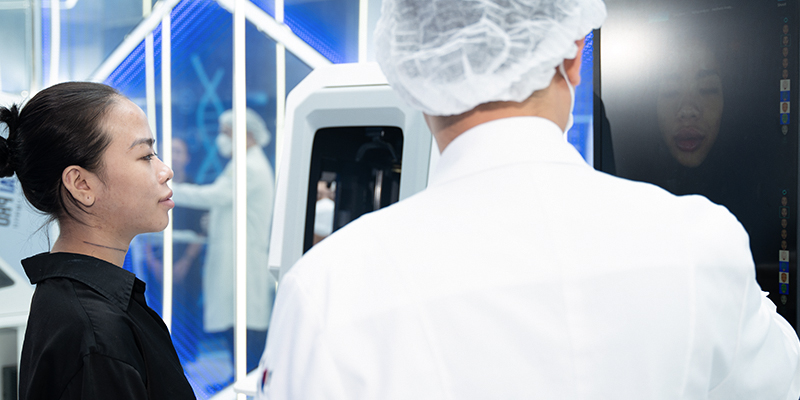
- 100% Direct Doctor Care: The specialist who examines your eyelids during consultation is the exact surgeon performing your procedure.
- Dedicated English Escort: A bilingual medical coordinator explains every technique, risk list, and consent document in detail.
- Hospital-Grade Sterility: Operating rooms feature licensed, one-way workflow air filtration systems for infection control.
- Flight-Aligned Schedule: Consultations, surgery, suture removal, and pre-flight reviews are mapped strictly against your return flight.
- Direct Post-Fly Aftercare: Access a named care contact for ongoing virtual reviews and photo check-ins after landing home.

What to Expect During Your First Visit
Your initial consultation is designed to build a custom surgical plan aligned precisely with your flight timeline:
- Share Your Travel Dates Early: Bring your exact arrival and departure dates to the consultation. Your surgeon will select the eyelid technique that fits comfortably within your stay.
- Comprehensive Eye Examination: Precise measurements of lid skin elasticity, fat distribution, and crease height to determine whether an incisional or non-incisional approach is ideal.
- Transparent Written Pricing: Receive a clear, all-inclusive written quote immediately following your examination.
Tip: You can send your flight dates and a clear, close-up photograph of your eyes prior to traveling. Our team will draft your tentative consultation, surgery, and stitch removal timeline before you even board your flight to Vietnam.
Ready to Transform Your Eyes with Seoul-Trained Precision?
Don’t leave your recovery timeline or flight safety to chance. Experience world-class Korean eyelid surgery in Ho Chi Minh City with a personalized travel roadmap built entirely around you.
BOOK YOUR PRIVATE VIP CONSULTATION
Contact our International Patient Desk today to submit your eye photos, receive a pre-arrival schedule draft, and secure your consultation slot at Keangnam Korea.
How many nights should you book in Vietnam for eyelid surgery?
About 12 to 16 nights covers a consultation day, the operation, suture removal at day five to seven, and the 10 to 14 days most surgeons want before a flight. Budget serviced apartments in Ho Chi Minh City start around $17 a night, so the extra nights add less than most travelers expect.
Can you fly home with the stitches still in?
Published guidance puts suture removal before departure, not after. Stitches out and an inspected incision are two of the four conditions surgeons check before clearing air travel, along with improving swelling and no bleeding at the wound. Flying earlier means nobody qualified sees the wound at the point it matters most.
How long does swelling last after eyelid surgery?
Swelling peaks in the first three days, falls noticeably between days five and seven, and is clearly down at about one month. The crease itself sets between days seven and 10. Final scar appearance takes two to three months, which is well after most visiting clients have flown home.
What happens if something goes wrong after you fly home?
Photographs sent to the operating surgeon handle reassurance well and diagnosis poorly. Agree before the first operation who reviews images, what symptoms require an in-person visit, and who pays for revision surgery and where it happens. Revision in HCMC runs $460 to $2,280 (12 to 60 million VND).
When can contact lenses go back in?
Usually one to two weeks, and in every case only when the operating surgeon says so. The same window applies to eye makeup. Dry eyes are a listed effect of eyelid surgery and cabin air makes them worse, so artificial tears rather than lenses are the sensible choice for the flight home.
RELATED ARTICLES

Collagen Injection vs. Laser for Facial Skin: Cost, Recovery, and Fit
A collagen injection vs laser for aging facial skin, which is better? They are two distinct approaches to facial rejuvenation and do not replace each other. Lasers work from the outside in to correct surface texture and pigment, while injected

Collagen Shots for the Face vs. Mesotherapy: Aging Grades, Cost, and Results
Deciding between collagen shots for the face and mesotherapy comes down to identifying which layer of your skin is experiencing aging. Mesotherapy nourishes the superficial skin layers for quick surface hydration, whereas collagen shots for the face rebuild structural density
How Long Does a Fox Eye Thread Lift Last? Costs, Risks, and Results
A fox eye thread lift is a minimally invasive procedure that uses dissolvable barbed threads to suspend the outer corner of the eye (lateral canthus) and the eyebrow tail toward the temple. By gently pulling these soft tissues upward, the

What Is a Liquid Nose Job? Cost, Longevity and When Do Threads Work Better?
What is a liquid nose job? A liquid nose job (clinically known as liquid rhinoplasty) is a non-surgical procedure that reshapes the nose using precision injections of hyaluronic acid (HA) filler. The treatment takes 10 to 15 minutes, requires zero

Semi-Structural Rhinoplasty for a Low Bridge and Wide Tip: Cost and Recovery
Semi-structural rhinoplasty is a targeted surgical procedure that reshapes specific portions of the nose, typically modifying a broad, rounded tip with autologous cartilage while elevating a slightly low bridge with a biocompatible implant. The procedure takes 45 to 90 minutes

Non-Surgical Rhinoplasty Price in 2026: Cost by Filler and Thread Type
The non-surgical rhinoplasty price in Ho Chi Minh City, Vietnam, ranges from $230 to $1,720 (6 to 45 million VND) per treatment in 2026. The overall cost is determined primarily by the specific material and technique selected: The material used