Skip to content


Eyelid Surgery Recovery: What to eat and avoid to heal faster
Eyelid surgery recovery typically takes 1 to 2 weeks for visible swelling to settle, with stitches removed around day 7 and the final crease shape maturing over 1 to 3 months. How quickly and how cleanly the incision heals depends heavily on two things you can control: what you eat and how you care for the eye area in the first weeks.
This guide walks through the full eyelid surgery recovery timeline day by day, the foods and activities to avoid, and the aftercare steps that reduce swelling and prevent scarring.
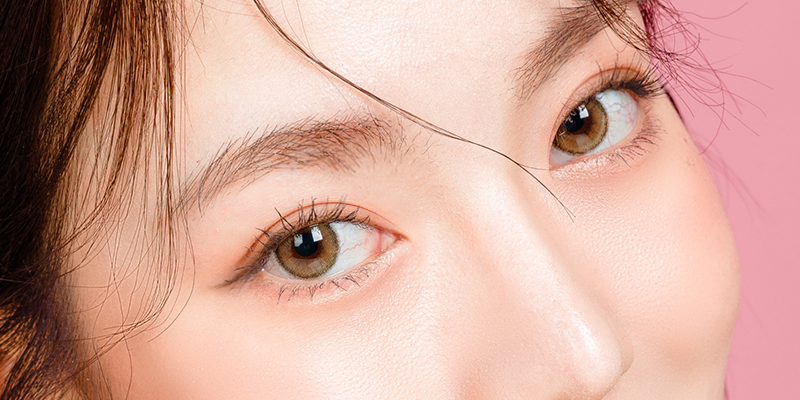
Eyelid Surgery Recovery Timeline
Every individual heals at a slightly different pace, but blepharoplasty recovery follows a predictable pattern. Knowing what is normal at each stage makes it easier to spot a genuine problem early. Here is the standard eyelid surgery recovery day by day:
| Stage | What to expect | What to do |
| Days 1 – 3 | Peak swelling, mild bruising, a tight or tender feeling around the lids | Apply a sterile cold compress for 10 – 15 minutes at a time to reduce swelling |
| Days 4 – 6 | Swelling and bruising fade noticeably | Switch to a gentle warm compress to boost circulation and clear residual bruising |
| Day 7 (day 5 – 10 depending on healing) | Incision has closed with slight residual swelling | Return to the clinic for stitch removal; never skip this appointment |
| Week 2 (days 8 – 14) | Swelling resolves, crease begins to stabilize | Resume work and normal daily routines |
| 1 month | Crease looks defined, symmetric, and increasingly natural | Light eye makeup is usually acceptable from this point |
| 3 – 6 months | Incision line fades fully; the fold reaches its softest, most natural shape | Enjoy the final result |
The first week is the most sensitive window in the entire eyelid surgery recovery process. Strict aftercare during days 1 to 7 largely determines whether the incision heals as a fine, invisible line or a visible scar.
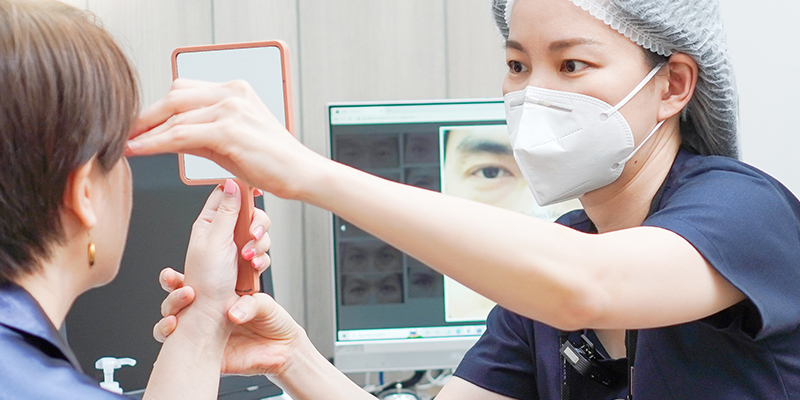
Foods and Activities to Avoid After Eyelid Surgery
What to avoid after eyelid surgery falls into two categories: dietary restrictions that affect inflammation and scar quality, and physical habits that can disturb the incision or the new crease. Both matter equally.
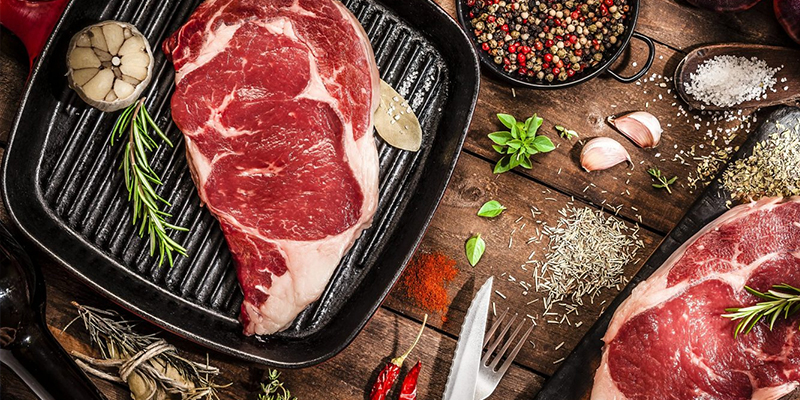
1. Foods to Avoid After Blepharoplasty
Nutrition directly influences the inflammatory response, the speed of tissue repair, and the appearance of the final scar. In East Asian post-surgical care, several foods are consistently restricted after eyelid procedures, and the reasoning aligns with how skin heals. The main foods to avoid after blepharoplasty are:
- Water spinach, for 2 to 4 weeks: This leafy green contains compounds that stimulate excess collagen production during healing. Eating it before the incision has fully closed raises the risk of raised, keloid-type scarring along the crease line.
- Sticky rice and glutinous rice foods, for 2 to 5 weeks: Glutinous rice is considered “heating” and is associated with increased swelling, irritation, and pus formation at open wounds. It can slow wound closure and raise infection risk in the early days.
- Red meat (beef, buffalo), for at least 2 weeks: Beef is protein-rich, but its pigments can darken the healing incision, leaving a discolored line along the new crease or causing the lid skin to look uneven.
- Seafood (shrimp, crab, squid, shellfish), for 2 weeks to 1 month: Seafood carries foreign proteins and high histamine levels. In sensitive individuals this triggers itching and allergic irritation around the incision, and rubbing an itchy eye can tear stitches or introduce infection. Anyone prone to keloids should extend this restriction to 4 to 6 weeks.
- Poultry (chicken, duck), for at least 2 weeks: Chicken and duck are linked to prolonged swelling, tenderness, and pus buildup around the lids. Duck in particular tends to cause itching as new skin forms.
- Eggs, for at least 2 weeks: Eggs can cause patchy pigmentation in newly healed skin, leaving the incision area lighter or blotchier than the surrounding lid.
- Spicy, hot, and greasy foods, for 1 to 2 weeks: These slow tissue repair and trigger watery eyes and sweating, both of which sting and irritate a fresh incision.
- Alcohol, tobacco, carbonated drinks, and stimulants, for 2 to 4 weeks: These substances weaken the immune response and can interact with post-operative antibiotics and pain medication, reducing their effect and delaying healing.
Diet before surgery matters too. Aspirin, vitamin E, and herbal supplements should be stopped 7 days before the procedure, and alcohol and tobacco at least 3 days before, because they interfere with blood clotting and circulation and raise infection risk.
2. Activity Restrictions During Blepharoplasty Recovery
Physical habits around the eye area shape the final crease just as much as diet. During blepharoplasty recovery, follow these rules:
- Keep water off the incision for the first 5 to 7 days: Tap water and cleanser can carry bacteria into the open wound. Clean the face gently with a damp towel instead of splashing water over the eyes.
- Do not rub, touch, or press the eyes for 2 to 4 weeks: Mechanical friction can tear the incision edges, cause bleeding, or transfer bacteria from the hands.
- No eye makeup or skincare around the eyes for at least 2 weeks: Pigments, powders, and metals in eyeshadow, mascara, and eyeliner easily inflame an incision that has not fully sealed.
- No contact lenses for at least 2 weeks: Inserting and removing lenses stretches the lid skin and can distort the new fold or strain the sutures.
- Limit screens for the first week: Extended phone, computer, and TV time forces the eyes to work harder, causing dryness and fatigue that slow recovery.
- Avoid direct sun and UV for the first month: UV exposure stimulates melanin and can permanently darken the scar. Wear sunglasses and cover the eye area whenever outdoors.
- No strenuous exercise (gym, swimming, heavy lifting) for 2 to 4 weeks: Intense exertion raises blood pressure in the face, which can cause bleeding or blood pooling at the incision, and sweat running into the wound raises infection risk.

What to Eat After Eyelid Surgery
Knowing what to eat after eyelid surgery is just as useful as knowing what to skip. The goal is to supply the protein, vitamins, and antioxidants that tissue repair demands while keeping inflammation low. Good choices include:
- Green leafy vegetables (except water spinach): Rich in vitamins A, C, and K, which support skin repair and reduce bruising.
- Vitamin-C-rich fruit: Oranges, grapefruit, and pomelo support collagen formation at healthy levels and strengthen immunity against infection.
- Beta-carotene vegetables: Carrots, pumpkin, sweet potato, and bell peppers supply antioxidants that speed tissue regeneration.
- Whole grains and oats: Steady energy and B vitamins that support overall recovery.
- Soy and plant proteins: A safe protein source while red meat, poultry, and seafood are restricted.
- Plenty of water: Hydration keeps the healing skin supple and helps flush post-operative medication byproducts.
How to Reduce Swelling After Eyelid Surgery
Swelling peaks in the first 72 hours and responds well to a simple two-phase compress routine. Here is how to reduce swelling after eyelid surgery effectively:
- Days 1 – 2, cold compress: Apply a sterile cold pack over the closed lids for 10 to 15 minutes per session, several times a day. Cold constricts blood vessels and limits fluid buildup. Never place ice directly on the skin, and keep the incision dry.
- From day 4, warm compress: Once bruising sets in, gentle warmth increases circulation and helps the body clear trapped blood faster.
- Keep the head elevated: The correct sleeping position after eyelid surgery is flat on the back with the head raised on 2 to 3 pillows for at least the first week. Sleeping face-down or on the side lets fluid pool in the lids overnight and can press the new crease out of shape.
- Clean the incision as directed: Wipe gently with sterile saline solution or follow the surgeon’s specific cleaning instructions, and change dressings regularly.
- Take medication exactly as prescribed: Antibiotics and anti-inflammatory medication only work on schedule. Skipping doses prolongs swelling and invites infection.
Warning Signs and Possible Complications
Double eyelid surgery is a minor procedure, but poor technique or poor aftercare can still lead to complications. Balanced information matters here: most issues are temporary, yet a few are serious enough to need immediate attention.
- Normal, temporary effects: Swelling, bruising around the eyes, watery eyes, a gritty sensation, or difficulty closing the eyes fully during the first week. These resolve on their own with standard care.
- Incision infection: Redness and swelling persisting beyond 7 days, increasing pain, or yellow-green discharge. This usually stems from a non-sterile surgical environment or improper at-home cleaning. See the surgeon promptly.
- Raised or keloid scarring: A firm, raised band of tissue along the incision. This is linked to keloid-prone skin or breaking the dietary restrictions above (water spinach, sticky rice, seafood).
- Lagophthalmos (incomplete eye closure): A serious complication caused by removing too much skin or fat, or anchoring the crease too high on the levator muscle. The exposed cornea dries out and can ulcerate, threatening vision if not surgically corrected.
- Asymmetric or uneven creases: One fold larger, deeper, or higher than the other due to inaccurate marking or suturing. Revision surgery can correct this.
- Secondary ptosis (drooping lid): Damage to the levator muscle during deep dissection can weaken lid elevation after surgery.
The single most effective way to avoid these outcomes is choosing a licensed medical facility with qualified surgeons, never a spa or unlicensed cosmetic service. Follow the prescribed antibiotic and anti-inflammatory regimen fully, attend every follow-up visit, and seek immediate care at a reputable clinic if pus, worsening pain, or abnormal scarring appears.
A Technique That Shortens Eyelid Surgery Recovery: Perfect Eyes
Recovery speed is not only about aftercare. The surgical technique itself determines how small the incision is, and a smaller incision heals faster and hides better.
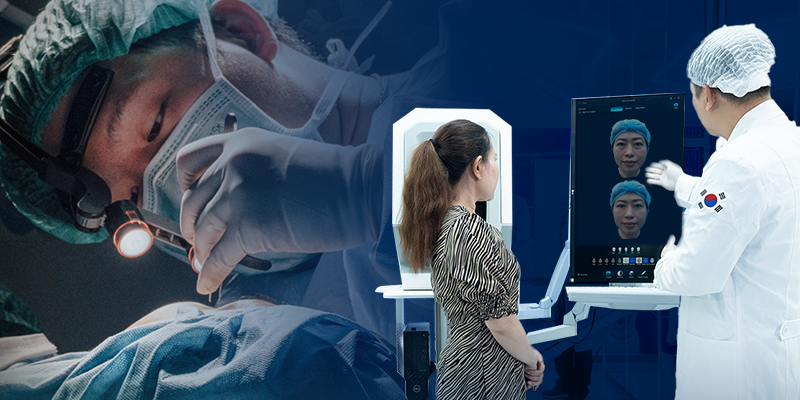
Perfect Eyes, a technique transferred from Korea and performed at Keangnam Korea, uses ultra-fine sutures placed just beneath the epidermis to close the incision. The result is a crease line that is nearly undetectable, minimal pain and swelling, no visible scarring, and a noticeably faster eyelid surgery recovery. The fold it creates is designed to look natural and to last up to five times longer than conventional methods.
For anyone planning eyelid surgery, or currently recovering and unsure about diet, swelling, or aftercare, contact us to get personalized guidance from pre-op preparation through the final follow-up.
RELATED ARTICLES

Collagen Injection vs. Laser for Facial Skin: Cost, Recovery, and Fit
A collagen injection vs laser for aging facial skin, which is better? They are two distinct approaches to facial rejuvenation and do not replace each other. Lasers work from the outside in to correct surface texture and pigment, while injected
Collagen Shots for the Face vs. Mesotherapy: Aging Grades, Cost, and Results
Deciding between collagen shots for the face and mesotherapy comes down to identifying which layer of your skin is experiencing aging. Mesotherapy nourishes the superficial skin layers for quick surface hydration, whereas collagen shots for the face rebuild structural density
How Long Does a Fox Eye Thread Lift Last? Costs, Risks, and Results
A fox eye thread lift is a minimally invasive procedure that uses dissolvable barbed threads to suspend the outer corner of the eye (lateral canthus) and the eyebrow tail toward the temple. By gently pulling these soft tissues upward, the

What Is a Liquid Nose Job? Cost, Longevity and When Do Threads Work Better?
What is a liquid nose job? A liquid nose job (clinically known as liquid rhinoplasty) is a non-surgical procedure that reshapes the nose using precision injections of hyaluronic acid (HA) filler. The treatment takes 10 to 15 minutes, requires zero

Semi-Structural Rhinoplasty for a Low Bridge and Wide Tip: Cost and Recovery
Semi-structural rhinoplasty is a targeted surgical procedure that reshapes specific portions of the nose, typically modifying a broad, rounded tip with autologous cartilage while elevating a slightly low bridge with a biocompatible implant. The procedure takes 45 to 90 minutes
Non-Surgical Rhinoplasty Price in 2026: Cost by Filler and Thread Type
The non-surgical rhinoplasty price in Ho Chi Minh City, Vietnam, ranges from $230 to $1,720 (6 to 45 million VND) per treatment in 2026. The overall cost is determined primarily by the specific material and technique selected: The material used