Skip to content

The 7 Best Glass Skin Treatment in Vietnam: Benefits, Results, Cost, Comparison
A glass skin treatment in Vietnam ranges from about 600,000 to 60,000,000 VND (roughly 25 to 2,280 USD) per session in 2026, depending on whether you choose an injectable, an energy-based device, or a resurfacing procedure. Glass skin is not simply well-moisturized skin. It is the combination of a smooth, poreless texture, an even skin tone, and a natural, mirror-like light reflection, and at-home skincare alone rarely delivers all three.
This guide breaks down the seven best treatments for glass skin, how each one works, what it costs, and how to combine them safely for a lasting, translucent finish.
What Is a Glass Skin Treatment?
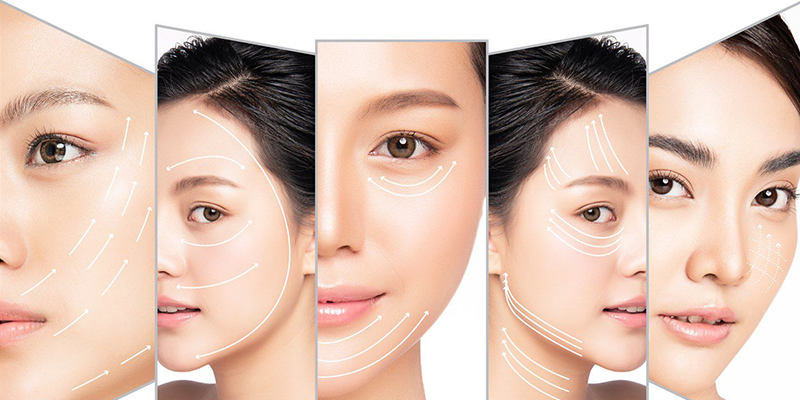
A glass skin treatment is an in-clinic procedure that builds the three traits behind the glass skin look: refined texture, even tone, and deep, light-reflecting hydration. Rather than coating the surface the way a serum does, these treatments work below the skin barrier to rebuild collagen, flood the deeper layers with moisture, and clear the dull, uneven cells that scatter light.
The reason a clinic treatment outperforms a home routine is depth. Topical products act mainly on the outermost layer, so their effect on firmness and clarity is limited. A glass skin treatment delivered by injection, energy, or medical-grade resurfacing reaches the dermis, where collagen, elastin, and hydration are actually produced. That is what turns temporary dewiness into a genuine, structural glow.
Most people reach glass skin through a short course rather than a single visit, and often through a combination of two methods: one to hydrate and regenerate, and one to refine texture or tighten. The right mix depends on your skin condition, your budget, and how long you want the result to hold.
The Top 7 Glass Skin Treatments in 2026
This table summarizes the seven best glass skin treatments side by side, so the trade-offs between hydration, texture, and lifting are clear before the detailed breakdown. USD figures are approximate, based on an exchange rate of about 26,300 VND to 1 USD.
| # | Treatment | Core technology | How it works | Reference price per session (VND) | Approximate (USD) | Downtime |
| 1 | Skin booster injection | Hyaluronic acid microinjection | Floods deep layers with moisture for instant plump and glow | 2,000,000 – 8,000,000 | 75 – 305 | Little to none |
| 2 | PDRN mesotherapy | Salmon DNA (polydeoxyribonucleotide) | Repairs cells and barrier, calms redness, rebuilds glow | 3,000,000 – 10,000,000 | 115 – 380 | Minimal |
| 3 | Polynucleotide (PN) booster | Long-chain salmon DNA scaffold | Forms a 3D matrix that firms and thickens the skin | 4,500,000 – 15,000,000 | 170 – 570 | Minimal |
| 4 | PRP facial treatment | Platelet-rich plasma from your own blood | Autologous growth factors renew and brighten skin | 2,000,000 – 15,000,000 | 75 – 570 | Minimal |
| 5 | Non-surgical skin tightening | Ultherapy, HIFU, or Thermage (energy) | Heats the deep layers to lift and smooth loose skin | 10,000,000 – 60,000,000 | 380 – 2,280 | None to minimal |
| 6 | Laser skin rejuvenation | Laser toning / picosecond laser | Clears pigment and marks for a clear, translucent tone | 800,000 – 5,000,000 | 30 – 190 | Low |
| 7 | Chemical peel for glass skin | Medical-grade acid exfoliation | Removes dull surface cells to reveal smooth new skin | 600,000 – 3,000,000 | 25 – 115 | Low to moderate |
What Is the Best Treatment for Glass Skin?
There is no single best treatment for glass skin, only the one that fits your skin condition. Injectables lead when the goal is hydration and regeneration, energy-based devices lead when there is mild sagging to correct, and resurfacing leads when texture and tone are the main concern. The seven methods below, from fast-acting injectables to high-tech devices, are the treatments most likely to build a true glass skin finish.
Method 1: Instant Hydration with a Skin Booster Injection
A skin booster injection is the fastest route to the glass skin effect. Fine microinjections deliver hyaluronic acid directly into the deeper layers of the skin, where it binds water and plumps from within, so the surface looks smoother, dewier, and more reflective almost immediately.
Best for: Dehydrated, dull, or tired skin with fine lines but no significant sagging.
Pros: Visible hydration and glow after the first session, very little downtime, and easy to combine with other treatments.
Cons: The result is temporary. Hyaluronic acid is gradually absorbed, so maintenance sessions every few months keep the glow going.
Method 2: Cellular Repair with PDRN Mesotherapy
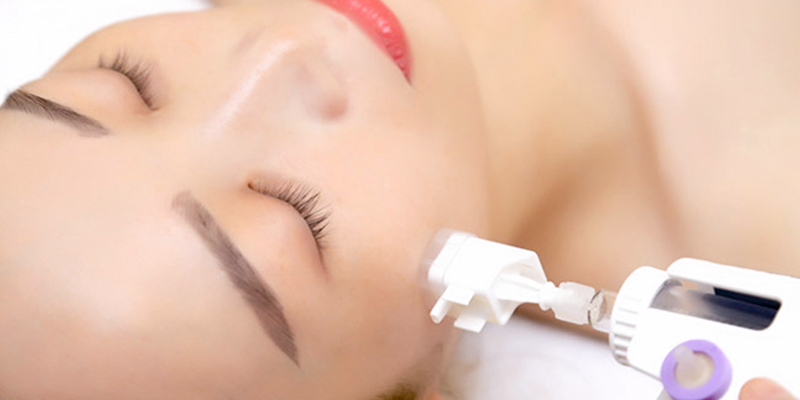
PDRN mesotherapy uses polydeoxyribonucleotide, a bioactive fraction extracted from salmon DNA that is highly compatible with human skin. Delivered through micro-injections, it activates the skin’s own repair pathways, calms chronic low-grade inflammation, and improves microcirculation, rebuilding a healthy glow from the inside out.
Best for: Sensitive, thin, or reactive skin, redness, and recovery after stronger procedures such as laser or deep peels.
Pros: Strengthens the barrier, evens tone, and pairs well with hyaluronic acid for a plumper, more translucent finish.
Cons: PDRN repairs and regenerates but does not lift sagging tissue, and results build over a course of three to five sessions rather than overnight.
→ What is PDRN (Salmon DNA Injection)
Method 3: Deep Structure with a Polynucleotide (PN) Booster
Polynucleotide, or PN, is a longer-chain version of salmon DNA with a much higher molecular weight. Its defining trait is the ability to form a 3D biological scaffold that mimics the skin’s own support matrix. Fibroblasts anchor to this mesh and produce collagen continuously, so the skin becomes firmer and thicker over time, not just more hydrated. Rejuran is the best known brand in this category.
Best for: Skin that has lost density and firmness, fine crepey texture, and anyone wanting a longer-lasting structural result.
Pros: Rebuilds the skin from a structural level, improves firmness and resilience, and holds longer than a hyaluronic acid booster.
Cons: Higher per-session cost, and the full effect appears gradually across a course.
Method 4: Autologous Glow with a PRP Facial Treatment
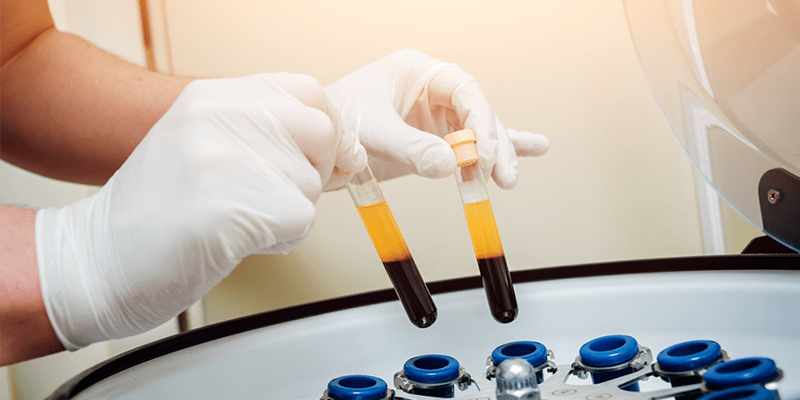
A PRP facial treatment uses platelet-rich plasma separated from your own blood by centrifuge, then injected back into the skin. Because the material is completely autologous, the risk of allergy or rejection is close to zero. The concentrated growth factors trigger continuous cell renewal, firming, brightening, and refreshing tired skin.
Best for: Individuals who prefer a natural, autologous approach and want long-lasting stimulation.
Pros: Virtually no allergy risk, results that can last longer than many injectables, and improvement in both firmness and glow.
Cons: Strict health screening applies, since individuals with anemia or certain conditions may not be suitable, and a short preparation period is usually required.
Method 5: Advanced Collagen Boost with Non-Surgical Skin Tightening
When mild sagging is dulling the smoothness of the skin, non-surgical skin tightening restores the taut, even surface that glass skin depends on. Energy-based devices such as Ultherapy, HIFU, and Thermage heat the deep layers of the skin without breaking the surface, contracting existing collagen instantly and stimulating new collagen for months afterward.
Best for: Mild to moderate laxity, a softening jawline, and loss of the smooth, lifted look across the cheeks.
Pros: No incisions and minimal downtime, with results that can last one to two years depending on the device and your skin. Ultherapy adds real-time ultrasound imaging for precise, targeted energy delivery.
Cons: Higher cost than injectables, some discomfort during treatment, and results that appear gradually as collagen rebuilds. Skin can loosen again over time, so a maintenance plan matters.
Method 6: Clarity and Even Tone with Laser Skin Rejuvenation
Laser skin rejuvenation targets the tone pillar of glass skin. Laser toning and picosecond lasers break down melasma, freckles, post-acne marks, and dull pigment into particles the body clears away, leaving skin that looks clearer and more translucent, so light reflects evenly instead of scattering off uneven patches.
Best for: Uneven tone, pigmentation, dark spots, and dull, tired-looking skin.
Pros: Effective for pigment concerns that injectables cannot address, with low downtime for gentler toning protocols.
Cons: Strong sun protection is essential afterward, since freshly treated skin is more sensitive, and a course of sessions is usually needed for even results.
Method 7: Skin Refining with a Medical-Grade Chemical Peel
A chemical peel for glass skin removes the layer of aged, dull surface cells that block light and make skin look rough. A medical-grade acid solution loosens dead cells so they shed evenly, revealing smoother, brighter skin underneath while stimulating cell renewal and helping refine enlarged pores.
Best for: Rough texture, clogged or enlarged pores, blackheads, and a dull surface.
Pros: Smoother texture and brighter tone from the first sessions, and an effective primer that helps other treatments absorb better.
Cons: Sensitive skin can redden or sting temporarily, the skin becomes more delicate and sun-sensitive for a period, and improper aftercare raises the risk of irritation, so professional supervision is important.
How to Get a Glass Skin Treatment That Actually Works
The most reliable way to get a glass skin treatment that lasts is to match the method to your skin and, in most cases, combine two approaches: one for hydration and regeneration, and one for texture or lifting. Injectables alone will not fix pigmentation, and lasers alone will not restore lost firmness, which is why a layered plan outperforms any single procedure.
A common professional protocol pairs an energy-based device such as Ultherapy for deep lifting with a hydrating booster such as a skin booster injection or PN for surface glow, delivering firmness and translucency together. Another popular pairing follows a laser or peel with PDRN mesotherapy, which speeds healing and reduces the risk of prolonged redness after resurfacing.
Before any treatment, a consultation confirms whether you are a suitable candidate. Most glass skin treatments are not recommended during pregnancy or breastfeeding, for anyone with a bleeding disorder or active skin infection, or for those on blood-thinning medication without medical clearance. Building the plan around your skin, rather than a generic package, is what separates a real, durable glow from a short-lived one.
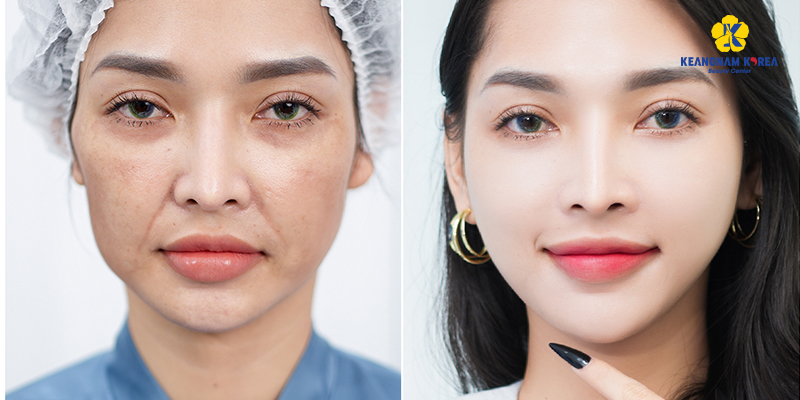
Are Glass Skin Treatments Safe? Risks and Side Effects
For most healthy candidates treated at a licensed medical facility, glass skin treatments are safe, but no procedure that reaches the deeper skin is entirely without risk, and honest expectations matter. The most common side effects are mild and temporary: small papules at injection points, minor bruising, redness, or slight swelling that usually settles within one to two days. Peels and lasers can leave the skin sensitive and flaky for several days as it renews.
More serious complications are rare but real, and they rise sharply when treatments are performed by untrained hands or with unverified products. Injecting biologically active material carries a small risk of infection, prolonged nodules, or, in the case of higher-viscosity injectables placed incorrectly, vascular problems. This is why product transparency, a sterile setting, and an experienced injector are not optional extras but the core of a safe result.
A note on price and safety: treatments advertised far below the going rate deserve caution. A genuine, quality-controlled product and a properly trained provider carry a real baseline cost, and a bargain that undercuts it usually reflects a compromise somewhere. A transparent quote should confirm the product used, the number of sessions, and the follow-up included.
This is a sensitive area of personal health, so any decision is best made with a qualified doctor who can assess your skin and medical history directly.
How to Choose Where to Get a Glass Skin Treatment
For any treatment that reaches below the skin surface, the clinic matters as much as the method. The strongest options share a few traits: doctors experienced in mesotherapy, energy-based devices, and resurfacing; a licensed and hygienic facility; clear before-and-after evidence; and full transparency about the brand and origin of every product used.
Keangnam Korea offers glass skin treatments with one-on-one consultation, an experienced medical team, and clear pricing confirmed before any decision is made. For anyone unsure which method fits best, or whether a combination would work better, a professional consultation is the safest first step.
Book a meeting
Glass skin is achievable, but it is built rather than bought in a jar. The seven treatments here, from a hydrating skin booster injection and PDRN mesotherapy to non-surgical skin tightening, laser skin rejuvenation, and a chemical peel for glass skin, each address a different pillar of that smooth, even, luminous finish. The best treatment for glass skin is the one matched to your skin condition, usually as part of a short, layered plan rather than a one-off visit. Before starting, a proper consultation with a qualified provider and a careful choice of an accredited clinic keep safety and results first.
To plan a treatment, an in-person visit to Keangnam Korea, a call to the specialist team, or a booking request for a one-on-one consultation and skin assessment will get the process started.
How much does a glass skin treatment cost in 2026?
A professional glass skin treatment in Vietnam ranges from about 600,000 to 60,000,000 VND (roughly 25 to 2,280 USD) per session, depending on the method. A chemical peel sits at the lower end, injectable skin boosters and PDRN mesotherapy fall in the mid range, and energy-based non-surgical skin tightening reaches the higher end. Because most treatments work over a course, budget by multiplying the per-session price by the three to five sessions many skin types need.
What is the best treatment for glass skin?
There is no single best treatment for glass skin. A skin booster injection is best for fast hydration and glow, PDRN mesotherapy and PN boosters are best for barrier repair and firmness, non-surgical skin tightening is best for mild sagging, and laser or chemical peels are best for tone and texture. Most people get the clearest result by combining a hydrating treatment with a texture or lifting treatment.
How do you get a glass skin treatment that lasts?
The longest-lasting results come from matching the method to your skin and combining two approaches, such as a deep-lifting device paired with a hydrating booster, followed by a maintenance plan. A single session gives a temporary glow, while a short course plus periodic top-ups holds the effect far longer.
How long do glass skin treatment results last?
It depends on the method. Injectable microneedling treatments such as skin boosters and PDRN mesotherapy typically hold for three to six months, while energy-based lifting devices such as Ultherapy or Thermage can last one to two years, depending on your skin and how closely you follow a maintenance schedule.
Are glass skin treatments painful?
Most are well tolerated. Injectable treatments use very fine needles and often a numbing cream, so discomfort is minor. Energy-based devices can cause brief heat or prickling sensations during treatment, and peels may sting temporarily. A clinic can adjust comfort measures based on your sensitivity.
Can you get glass skin at home instead?
At-home skincare supports glass skin but rarely achieves it alone, because topical products act mainly on the surface layer. Deep hydration, collagen rebuilding, and even tone come from treatments that reach the dermis, which is why in-clinic procedures deliver a more complete and lasting result.
RELATED ARTICLES
Collagen Injection vs. Laser for Facial Skin: Cost, Recovery, and Fit
A collagen injection vs laser for aging facial skin, which is better? They are two distinct approaches to facial rejuvenation and do not replace each other. Lasers work from the outside in to correct surface texture and pigment, while injected
Collagen Shots for the Face vs. Mesotherapy: Aging Grades, Cost, and Results
Deciding between collagen shots for the face and mesotherapy comes down to identifying which layer of your skin is experiencing aging. Mesotherapy nourishes the superficial skin layers for quick surface hydration, whereas collagen shots for the face rebuild structural density
How Long Does a Fox Eye Thread Lift Last? Costs, Risks, and Results
A fox eye thread lift is a minimally invasive procedure that uses dissolvable barbed threads to suspend the outer corner of the eye (lateral canthus) and the eyebrow tail toward the temple. By gently pulling these soft tissues upward, the
What Is a Liquid Nose Job? Cost, Longevity and When Do Threads Work Better?
What is a liquid nose job? A liquid nose job (clinically known as liquid rhinoplasty) is a non-surgical procedure that reshapes the nose using precision injections of hyaluronic acid (HA) filler. The treatment takes 10 to 15 minutes, requires zero
Semi-Structural Rhinoplasty for a Low Bridge and Wide Tip: Cost and Recovery
Semi-structural rhinoplasty is a targeted surgical procedure that reshapes specific portions of the nose, typically modifying a broad, rounded tip with autologous cartilage while elevating a slightly low bridge with a biocompatible implant. The procedure takes 45 to 90 minutes
Non-Surgical Rhinoplasty Price in 2026: Cost by Filler and Thread Type
The non-surgical rhinoplasty price in Ho Chi Minh City, Vietnam, ranges from $230 to $1,720 (6 to 45 million VND) per treatment in 2026. The overall cost is determined primarily by the specific material and technique selected: The material used