Skip to content


Should You Get Laser Treatment for Melasma? What are Benefits, Side Effects & Best Alternatives
Laser treatment for melasma has become one of the most popular skincare solutions today, and for good reason. It’s relatively safe, reasonably priced, and delivers visible results within just a few sessions. If you’re trying to figure out whether your skin is the right candidate for this approach, let’s explore everything you need to know with the complete guide below
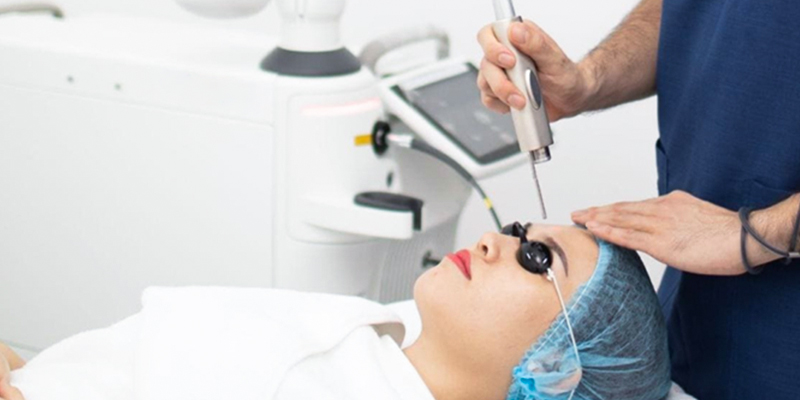
What Is Laser Therapy for Melasma?
Laser therapy for melasma is a non-invasive aesthetic treatment that uses concentrated beams of light to break down excess melanin (the pigment responsible for dark patches) in the skin. Once the melanin clusters are fragmented, the body naturally clears the broken-down pigment over the following days and weeks, gradually revealing brighter, more even-toned skin.
Unlike topical creams that work only on the surface, laser energy reaches deeper layers of the skin, targeting pigmentation at its source. This makes it one of the fastest, most precise treatments available for stubborn melasma that hasn’t responded to skincare alone.
How Does Laser Treatment for Melasma Work?
The science behind laser treatment is grounded in a principle called selective photothermolysis. Here’s how the process unfolds:
- Light Energy Targets Melanin: The laser is calibrated to a specific wavelength that’s absorbed by melanin without harming surrounding tissue. The pigmented cells absorb the light energy while the rest of the skin remains untouched.
- Heat Breaks Apart Pigment Clusters: The absorbed energy converts into controlled heat, which shatters concentrated melanin deposits into much smaller particles.
- The Body Clears the Pigment Naturally: Over the following 1 to 4 weeks, the lymphatic system gradually flushes out the fragmented pigment. The treated area looks lighter and more even with each passing week.
- Collagen Renewal as a Bonus Effect: The same heat that breaks down melanin also stimulates collagen and elastin production, leading to firmer, smoother, more youthful skin alongside the pigmentation correction.
Who Should Consider Laser Treatment to Remove Melasma?
Laser therapy for melasma works by directing focused light energy at pigmented areas of the skin. The right wavelength and heat level break apart melanin clusters, dissolve the bonds holding pigmentation together, and allow the body to naturally clear the broken-down pigment. The end result is brighter, more even-toned skin.
This approach delivers the best outcome on mild to moderate pigmentation that hasn’t sunk too deep into the skin’s lower layers.
It tends to be a strong fit for:
- Adults aged 20 to 50, both men and women
- Anyone wanting to clear stubborn melanin that causes dark patches and dullness
- People with uneven skin tone, freckles, or scattered brown spots
- Those starting to notice early signs of skin aging and pigmentation buildup
If your skin is currently inflamed, allergic, prone to keloid scarring, or being treated for any other dermatological condition, take time to consult a doctor first. In some cases, holding off on laser sessions and choosing a different approach is the safer call.
So is laser the right answer for fading melasma? The honest answer comes from weighing both sides.
5 Real Benefits of Laser Therapy for Melasma
When done correctly by an experienced provider, laser therapy delivers visible improvements you can see in the mirror. Most clients notice meaningful change after just a few sessions:
- Targets Pigmentation at Its Source: Light energy reaches beneath the surface to break down stubborn melanin deposits, working on the root of the problem rather than just lightening the top layer.
- Deep Skin Cleansing: Beyond fading dark spots, the treatment also clears trapped impurities and dead skin cells, refreshing the complexion from within and helping prevent future breakouts.
- Tightens and Refines Pores: The collagen-stimulating effect of modern laser systems shrinks visible pores, leaving skin firmer, smoother, and noticeably more luminous.
- Softens Fine Lines and Wrinkles: Areas around the mouth, eyes, and forehead often look visibly smoother after a series of sessions, thanks to the boost in collagen and elastin production.
- Evens Out Overall Skin Tone: Beyond melasma itself, this kind of skin pigmentation laser treatment also lightens freckles, sunspots, and post-acne marks, restoring a healthier, more uniform glow.
Modern systems used in clinics today include pico, q switch and fractional laser for melasma, each calibrated for specific skin types and pigmentation depths. The best laser for melasma in your case depends entirely on professional skin analysis, not on the trendiest brand name.
3 Drawbacks and Risks Worth Knowing About
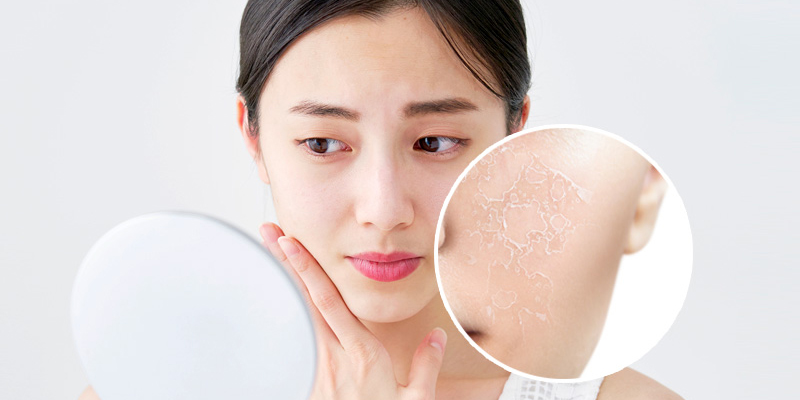
Despite its strengths, laser pigmentation treatment carries real risks. Knowing them upfront helps you make smarter decisions and protect your skin during recovery.
- Discomfort and Possible Blistering: The heat from the laser beam can cause stinging, soreness, or in some cases small blisters during and immediately after the session.
- Risk of Pigmentation Rebound: If wavelength, intensity, or aftercare aren’t handled correctly, melanin can react abnormally. The treated area may darken further, or pigmentation can spread to nearby skin. This is one of the most common laser treatment for melasma side effects when the procedure is done poorly.
- Recurrence Without Proper Sun Protection: Skin becomes especially sensitive to UV exposure for weeks after treatment. Without disciplined sun protection, melasma can return, sometimes worse than before.
There’s one risk that doesn’t get enough attention: choosing the wrong clinic. Burns, scarring, and lasting damage almost always trace back to inexperienced operators, outdated equipment, or unsafe protocols. Selecting a medically licensed clinic with skilled doctors is the single most important decision you’ll make in this process.
Laser Melasma Treatment Side Effects: What to Expect & How to Minimize Them
Laser therapy is one of the most effective treatments for melasma, but like every medical procedure, it comes with potential side effects. Understanding what’s normal, what’s avoidable, and what to watch out for helps you make a confident decision and protect your skin throughout the recovery process.
Most side effects from laser treatment for melasma are mild, temporary, and resolve on their own. The more serious complications are almost always linked to inexperienced providers, the wrong laser settings, or poor aftercare.
1. Common, Short-Term Side Effects
These reactions are expected after most laser sessions and typically clear within hours to a few days.
- Redness (Erythema): Mild to moderate redness in the treated area is the most common reaction. It usually fades within a few hours but can linger up to 2 to 3 days depending on the laser intensity and your skin sensitivity.
- Mild Swelling: A slight puffiness in the treated area is normal, especially around delicate zones like the cheeks and upper lip. Cool compresses help calm it within 24 hours.
- Warmth or Tingling: A sensation similar to mild sunburn is common immediately after treatment. The feeling fades quickly as the skin cools down.
- Dryness and Tightness: The skin barrier becomes temporarily more fragile after laser exposure, leaving the surface dry, tight, or slightly flaky for several days.
- Tiny Scabs or Crusting: Some lasers (especially fractional or higher-intensity systems) cause microscopic scabs that flake off naturally within 5 to 10 days. Picking at them can cause scarring, so let them fall off on their own.
- Mild Stinging During the Procedure: Despite numbing cream, some clients describe a snapping or rubber-band-like sensation during the laser pulses. This is normal and stops the moment treatment ends.
2. Less Common Side Effects
These reactions appear in a smaller percentage of cases and may need professional follow-up.
- Blistering: Small fluid-filled blisters can form when laser intensity is too high or the skin is overly reactive. They usually heal within a week, but improper care can lead to scarring.
- Bruising: Mild bruising can appear, particularly around delicate areas with thinner skin. It typically resolves within 7 to 14 days.
- Temporary Hyperpigmentation (PIH): Ironically, the treated area may temporarily look darker than before. This rebound darkening is most common in medium to dark skin tones and usually fades within weeks to a few months with proper sun protection and topical care.
- Temporary Hypopigmentation: The opposite reaction can also occur, where treated areas look slightly lighter than surrounding skin. This usually self-corrects within a few months.
- Acne Flare-Ups: Heat from the laser can temporarily activate sebaceous glands, leading to short-term breakouts in acne-prone clients.
- Cold Sore Reactivation: For clients with a history of oral herpes, laser treatment around the lips can sometimes trigger a cold sore outbreak. Antiviral medication taken before treatment prevents this in most cases.
3. Rare but Serious Side Effects
These complications are uncommon when treatment is performed by qualified professionals using approved equipment, but they are worth knowing.
- Permanent Scarring: Almost always caused by overly aggressive settings, picking at scabs, or treatment of inflamed or infected skin. Extremely rare in experienced hands.
- Permanent Pigmentation Changes: In very rare cases, the skin may not fully return to its original tone, resulting in lasting hypopigmentation or hyperpigmentation. The risk is higher in darker skin types treated with the wrong laser.
- Burns: Caused by miscalibrated equipment, incorrect wavelength selection, or operator error. Practically eliminated when treatment is performed at a medically licensed clinic.
- Skin Infection:Although rare, broken skin barriers can become infected if aftercare is neglected. Signs include increasing pain, swelling, pus, or fever.
- Melasma Worsening or Recurrence:The most discouraging outcome for melasma clients specifically. Aggressive heat from the wrong laser type can stimulate melanocytes rather than calm them, causing the pigmentation to rebound darker than before.
Why Side Effects Happen: The Real Causes
Most laser side effects don’t come from the technology itself. They come from how the technology is used. The biggest risk factors include:
- Inexperienced operators who don’t adjust settings to your skin type
- Wrong laser choice for the depth and type of melasma
- Settings too aggressive for sensitive or darker skin
- Treatment during active inflammation, sun damage, or infection
- Poor aftercare, including skipping sunscreen or hydration
- Overlapping treatments scheduled too close together
- Use of unapproved or counterfeit equipment at unlicensed clinics
The single biggest factor is the experience of the doctor performing the procedure.
Aftercare Tips for Long-Lasting Results
Skin becomes fragile in the days following any laser session, so post-treatment care directly determines how long the results last. To get the most out of every visit:
- Avoid water contact and skip skincare or makeup products entirely for the first 3 days after treatment.
- Apply broad-spectrum sunscreen with SPF 30 or higher every single day, paired with physical protection like a wide-brim hat, mask, and sunglasses.
- Keep skin well hydrated. Laser sessions can leave the surface dry, and dehydrated skin is more vulnerable to pigment rebound. Use a gentle, hydrating serum and moisturizer consistently.
- Eat well and rest properly. Load up on vitamin-rich foods, drink plenty of water, and limit alcohol, caffeine, and other stimulants while your skin recovers.
These small habits make the difference between a result that fades within months and one that holds for years.
Alternative Treatments to Consider
If the side effects of laser pigmentation treatment give you pause, several other professional options can fade melasma effectively, sometimes with gentler recovery.
1. Microneedling
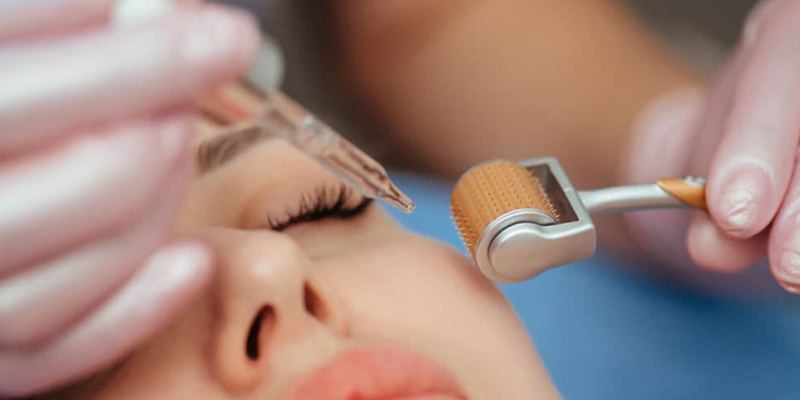
Microneedling uses a Dermaroller fitted with thousands of fine needles that create controlled micro-channels in the skin. These tiny channels stimulate collagen and elastin production while breaking down pigment in the dermis. The result is a dual benefit: clearer melasma along with improved overall skin quality, including reduced acne scars, finer wrinkles, and tighter pores. Results build gradually, so multiple sessions are needed. This approach suits clients with time on their side rather than those expecting immediate change.
2. Meso Exosome Therapy
Exosome therapy delivers concentrated regenerative messengers deep into the skin, triggering collagen renewal from the lowest layers, suppressing melanin activity, and visibly restoring even, youthful-looking skin tone. It’s a particularly strong choice for clients in their 30s through 50s who want to address both pigmentation and elasticity at the same time.
3. EXO PCELL+ Advanced Pigmentation Technology
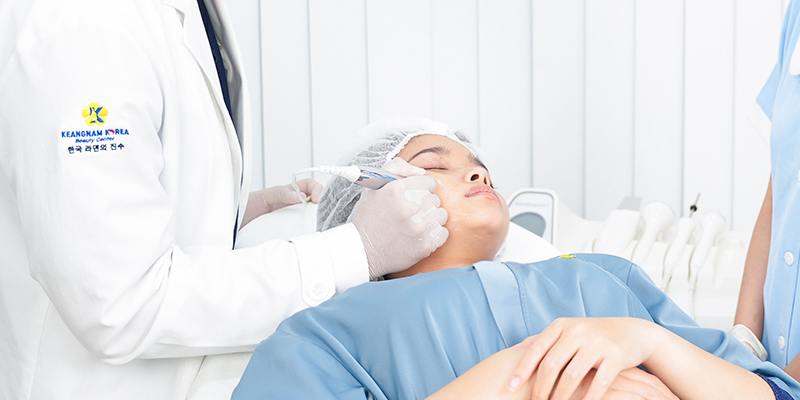
EXO PCELL+ is Keangnam Korea’s exclusive proprietary protocol, created for deeply embedded melasma cases that resist other treatments. Active ingredients are pushed into the deeper layers of the skin to break apart pigment at its source while smoothing fine lines and slowing visible signs of aging.
The technology works on three skin layers at once: the epidermis, dermis, and hypodermis. It boosts collagen production by up to 600 percent, increases hydration for up to 20 percent more bounce and glow, and stimulates the formation of healthy fat tissue for firmer, more youthful structure.
Unlike many laser-based methods, EXO PCELL+ delivers results that hold for 3 to 5 years, and with disciplined skincare, the effect can extend close to a decade without pigment rebound.
Laser treatment for melasma is a powerful tool, but it isn’t the right answer for every skin type or every stage of pigmentation. The decision should come down to the depth of your melasma, your skin’s sensitivity, your lifestyle, and your long-term goals, ideally guided by a senior cosmetic dermatologist who can weigh all of these factors objectively.
For a personalized assessment, or to explore deeper-acting solutions like EXO PCELL+ and other premium melasma packages in Ho Chi Minh City, contact us at 0911 833 555 to schedule a free consultation.
RELATED ARTICLES

Eyelid Surgery Clinics in Ho Chi Minh City: Clinical Options & 2026 Price List
Top eyelid surgery clinics in Ho Chi Minh City include three primary private facility types: full-service private aesthetic hospitals (such as JW Korean), specialized eye clinics (such as Dr. Eye), and comprehensive aesthetic centers (such as Keangnam Korea). In 2026,

Nose Surgery Recovery Time: Healing Stages and Timeline
Nose surgery recovery time typically requires 1 to 2 weeks before returning to daily work, with 90% of facial swelling resolving within 3 months and the final nasal shape fully settling at 12 months. Overall recovery speed depends directly on

Alarplasty and Rhinoplasty Comparison: Which Procedure Fits Your Nose Shape
Selecting between alarplasty and rhinoplasty depends on whether your lower nose appears wide due to flared soft tissue or a low, unsupported structural bridge. Alarplasty isolates and reshapes the nostril wings at the base, whereas rhinoplasty elevates, straightens, or rebuilds
Nose Wing Reduction: Is Alarplasty Worth It? Pros, Cons, and Recovery Time
A nose wing reduction (alarplasty) is a surgical option for those whose nostril wings are naturally thick, wide, or flared while their nasal bridge height and tip projection already suit their overall facial proportions. This procedure selectively reshapes or excises
Alar Base Reduction Technique: Rolling vs. Excision Comparison
An alar base reduction technique narrows flared or wide nostrils by either folding the nostril rim inward with internal sutures or excising a targeted strip of tissue. In Ho Chi Minh City, Vietnam, plastic surgeons perform four main surgical variations
Top 5 Rhinoplasty Clinics in Ho Chi Minh
Rhinoplasty clinics in Ho Chi Minh City offer safe cosmetic nose surgery: Gangwhoo Aesthetic Hospital, JW Korean Aesthetic Hospital, Kangnam Aesthetic Hospital, Thu Cúc Aesthetic Hospital, and Keangnam Korea. In 2026, market rates for cosmetic nose surgery across these facilities