Skip to content


Medial Epicanthoplasty: What Is the Chinese Teardrop Eye Trend and Who Suits It?
Medial epicanthoplasty is a surgical procedure that opens the inner corner of the eye by removing the epicanthic fold, making the eyes look longer, brighter, and more balanced. In Vietnam, medial epicanthoplasty costs about 5,600,000 to 25,000,000 VND (roughly 215 to 950 USD) in 2026. The most requested version today is the Chinese teardrop style: a soft, slightly lowered inner corner inspired by classical Chinese beauty and the viral Douyin aesthetic.
This guide explains what the technique involves, who it suits, and how it differs from standard corner-opening surgery.
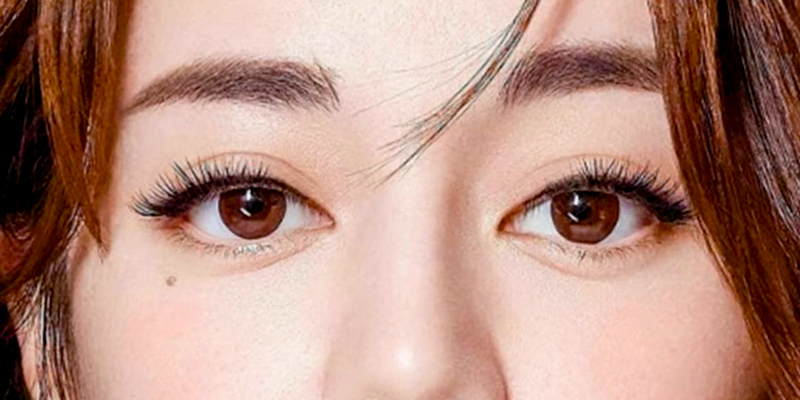
What Is Medial Epicanthoplasty?
Medial epicanthoplasty (Chinese Teardrop Eye) is the surgical release of the epicanthic fold, the small web of skin that covers the inner corner of the eye. The Chinese teardrop version goes further than simply “lengthening” the eye. Instead of opening the corner as wide as possible, the surgeon redesigns the eye shape as a whole:
- A moderately opened inner corner: The corner is released just enough to lengthen the eye without creating a harsh or startled look.
- A soft, curved lash line: The eyelid margin follows a gentle arc, similar to the outline of a falling water drop.
- A slightly lowered outer corner: Rather than lifting the tail of the eye upward, the technique lets it drop a touch, creating a gentle, wistful expression.
In other words, this is a combination of corner opening, eyelid shaping, and outer-corner adjustment built around classical Chinese aesthetics. The result often called chinese teardrop eyes looks soft, deep, and quietly expressive, the “wet-eyed” gaze associated with period-drama actresses and the hotgirl look popularized by Douyin eye shape surgery trends.
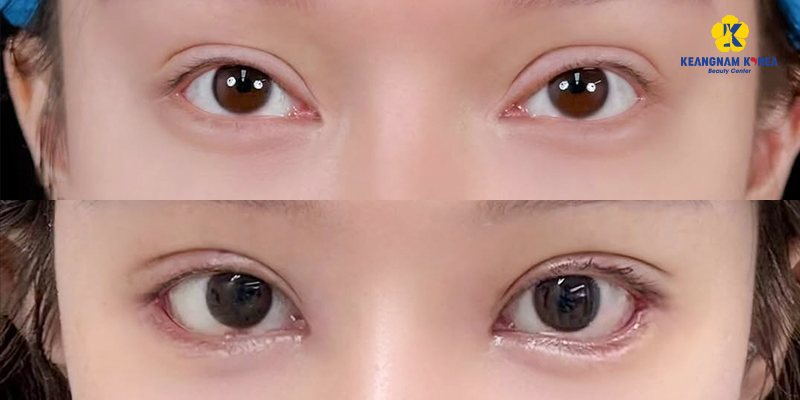
What Makes Chinese Eye Surgery Different From a Standard Corner Opening?
Chinese eye surgery in the teardrop style is defined by restraint and artistry rather than maximum enlargement. A well-executed result shows four signature features.
- A refined inner corner: The epicanthic fold is removed cleanly, but the pink caruncle (the small tissue at the inner corner) stays mostly covered, which keeps the eye natural.
- A soft eyelid curve: The crease and lash line curve gently instead of running sharp and straight.
- A lowered, rounded tail: Teardrop corner eye surgery tips the outer corner slightly downward, the opposite of the lifted, “Westernized” fox-eye look.
- An emotional, glossy gaze: The overall effect reads as gentle and story-like rather than sharp or dramatic.
This is why the style suits people who want beauty that is subtle and expressive rather than bold.
Why Asian Medial Epicanthoplasty Is the Secret to Make Bigger Eyes
Asian medial epicanthoplasty addresses an anatomical starting point that Western eyelid surgery does not deal with. Many Asian eyes share three traits: a prominent epicanthic fold, a shorter horizontal eye length, and a wider distance between the two eyes. Together they can make even large eyes appear small, closed off, or far apart.
Releasing the inner corner solves all three at once. Asian epicanthoplasty unlocks the hidden length of the eye, brings the eyes visually closer together, and exposes a little more of the inner eye, so the gaze looks brighter and more awake. When the released corner is then shaped into the teardrop form, the extra length reads as soft and natural rather than surgical.
The procedure is frequently paired with double eyelid surgery. Asian double eyelid surgery and epicanthoplasty performed together create both a defined crease and a longer eye in a single recovery period, which is why the combination has become the standard approach for a complete eye makeover. As a planning reference, upper eyelid surgery in Vietnam runs about 7,000,000 to 44,000,000 VND (roughly 265 to 1,675 USD) depending on the technique, on top of the corner-opening fee.
Who Is a Good Candidate for the Chinese Teardrop Eye Style?
Not everyone should choose this eye shape. The individuals below tend to achieve the most flattering results, and they make up the majority of teardrop-style clients at Keangnam Korea.
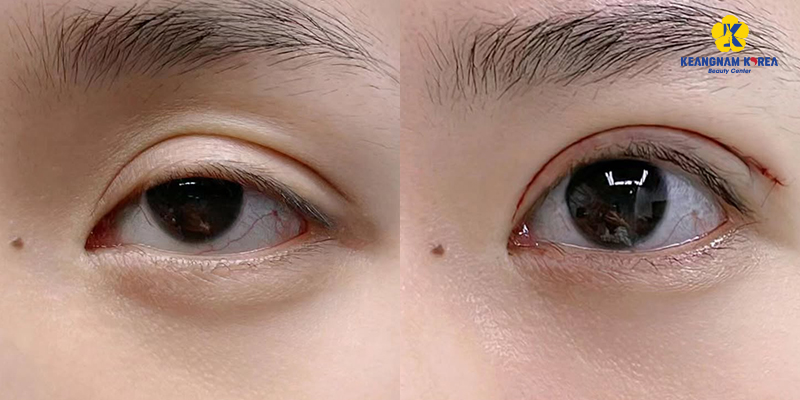
- Those with sharp or upward-slanted eyes: A high, pointed outer corner can read as cold or unapproachable. Lowering and softening the tail relaxes the entire expression.
- Those with a narrow inner corner hidden by an epicanthic fold: This is the classic indication for asian epicanthoplasty. Opening the corner at the right ratio lengthens the eye without a wide-eyed, startled look.
- Those with short eyes that look “flat” or expressionless: Extending the eye horizontally and adding curve to the lid line gives the gaze depth and emotion.
- Those who prefer classical, soft beauty: For anyone who does not want oversized or Western-looking eyes, the teardrop shape keeps a distinctly Asian, understated elegance.
- Those whose previous double eyelid surgery looks stiff: When an earlier crease surgery left the gaze rigid or unnatural, converting to the teardrop shape is an effective aesthetic revision.
Who Should Avoid This Eye Shape?
The teardrop style is not universal. It is generally not recommended in the following situations:
- An inner corner already opened too far: If a previous epicanthoplasty removed too much tissue, there may not be enough left to reshape safely.
- Eyes with a startled or over-exposed look from prior surgery: Complications from old procedures need corrective surgery first, not a stylistic redesign.
- Deep-set eyes or hollow sockets: Adding a lowered, wistful corner to already deep eyes can make the face look tired or sad.
- A preference for sharp, angular, Western-style eyes: The teardrop look moves in the opposite direction; a lifted canthoplasty suits this preference better.
Every eye shape carries its own character. Whether the teardrop form will flatter a specific face is a judgment call that requires an experienced surgeon with a strong aesthetic sense, not a decision made from reference photos alone.
Chinese Teardrop Eyes vs. Conventional Epicanthoplasty Comparison
Not every corner-opening procedure produces the same effect, and the difference between the two approaches comes down to intent.
- Purpose: Conventional medial epicanthoplasty focuses on widening the eye horizontally, at the inner or outer corner, to make it larger. The teardrop technique treats the eye as a composition, shaping curve, length, and corner position together for an emotional, artistic result.
- Resulting shape: Standard techniques tend to produce a straight, slightly lifted eye that suits sharp, modern looks. The teardrop version curves gently and drops softly at the tail, reading as feminine and serene.
- Aesthetic effect: A conventional opening makes the eye bigger but can leave the gaze looking hard. The teardrop shape creates the glossy, “wet” effect that makes eyes look like they are telling a story.
- Best-fit client: Individuals who love bold, defined features usually prefer the conventional approach. Those drawn to classical, East Asian softness are better matched to the teardrop form.
In short, the two techniques serve two different tastes. The right choice should come from a consultation with a surgeon who understands facial proportions, not from preference alone.
How Much Does Medial Epicanthoplasty Cost in 2026?
Medial epicanthoplasty in Vietnam costs between 5,600,000 and 25,000,000 VND (about 215 to 950 USD) in 2026, depending on the clinic, the technique, and whether the outer corner is reshaped at the same time. USD figures are approximate, based on an exchange rate of about 26,300 VND to 1 USD.
| Service | Reference price (VND) | Approximate (USD) |
| Inner corner opening (general market) | 5,600,000 – 25,000,000 | 215 – 950 |
| Medial epicanthoplasty at Keangnam Korea | 8,000,000 – 15,000,000 | 305 – 570 |
| Corner shaping / combined corner work at Keangnam Korea | 7,500,000 – 25,000,000 | 285 – 950 |
| Add-on: double eyelid surgery (market range) | 7,000,000 – 44,000,000 | 265 – 1,675 |
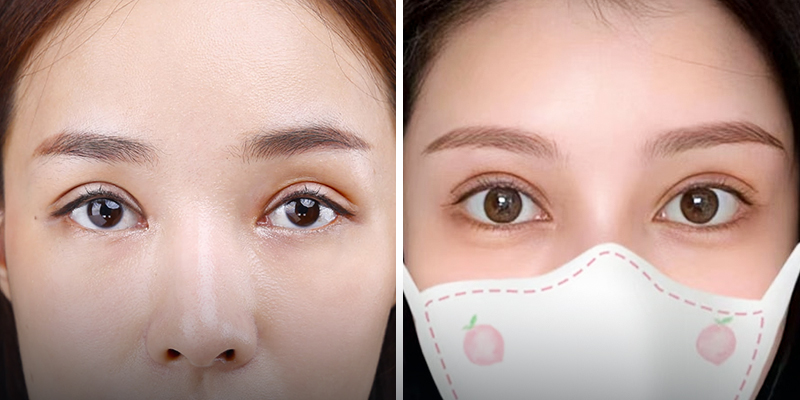
Preventing Epicanthoplasty Scars on Asian Skin
The most common fear around this procedure is scarring, and it is a fair concern. Asian skin produces more melanin and more collagen during healing, which raises the risk of hypertrophic (raised) scars and dark post-inflammatory marks, precisely at a spot everyone looks at during conversation.
Minimizing epicanthoplasty scars on asian skin depends on three factors:
- Incision design: Modern techniques hide the incision within the natural line of the lash margin and the new corner contour, so the healed line sits where shadows already fall.
- Microsurgical closure: Fine sutures placed under magnification, with minimal tension on the skin edge, are the single biggest difference between an invisible scar and a visible one. This is the closure standard used at Keangnam Korea.
- Disciplined aftercare: Sun protection, scar gel as directed, and no rubbing or makeup on the incision for the first weeks keep pigmentation away while the line matures.
With proper technique, the scar typically fades into the corner crease within 1 to 3 months and becomes very difficult to detect once healing completes.
If a softer, deeper, more expressive gaze is the goal, medial epicanthoplasty in the Chinese teardrop style may be the right choice. The result depends less on the trend and more on the surgeon: technical skill, an eye for proportion, and honest advice on whether the shape suits the face.
To have your eye shape assessed directly by a specialist, contact Keangnam Korea at 0911 833 555 to book a one-on-one consultation.
→ Read more: Keangnam Korea eyelid cut service
How much does medial epicanthoplasty cost?
In Vietnam, the 2026 range is about 5,600,000 to 25,000,000 VND (roughly 215 to 950 USD). At Keangnam Korea, medial epicanthoplasty costs 8,000,000 to 15,000,000 VND (about 305 to 570 USD).
Can asian double eyelid surgery and epicanthoplasty be done together?
Yes, and they usually are. Combining the two creates a defined crease and a longer eye in one procedure and one recovery, and the pairing is the standard approach for reshaping monolid or short eyes.
Do epicanthoplasty scars on asian skin ever fully fade?
With well-designed incisions and microsurgical closure, the scar hides in the natural corner contour and typically fades within 1 to 3 months. Asian skin does carry a higher risk of raised or dark scars, which is why surgeon experience matters more here than in almost any other eyelid procedure.
What is the difference between Chinese teardrop eyes and fox eyes?
They are opposites in direction. Fox-eye procedures lift the outer corner upward for a sharp, dramatic slant. Chinese teardrop eyes lower the outer corner slightly and soften the curve for a gentle, classical look.
How long is recovery after teardrop corner eye surgery?
Most swelling settles within 7 to 10 days, and normal daily activity resumes in about a week. The corners soften into their final teardrop shape over 1 to 3 months as internal healing completes.
Is Douyin eye shape surgery the same as medial epicanthoplasty?
Douyin eye shape surgery is a styling goal rather than a single procedure. Medial epicanthoplasty is its core component, usually combined with double eyelid surgery and outer-corner shaping to recreate the soft, glossy Douyin look.
RELATED ARTICLES
Alarplasty and Rhinoplasty Comparison: Which Procedure Fits Your Nose Shape
Selecting between alarplasty and rhinoplasty depends on whether your lower nose appears wide due to flared soft tissue or a low, unsupported structural bridge. Alarplasty isolates and reshapes the nostril wings at the base, whereas rhinoplasty elevates, straightens, or rebuilds
Nose Wing Reduction: Is Alarplasty Worth It? Pros, Cons, and Recovery Time
A nose wing reduction (alarplasty) is a surgical option for those whose nostril wings are naturally thick, wide, or flared while their nasal bridge height and tip projection already suit their overall facial proportions. This procedure selectively reshapes or excises
Alar Base Reduction Technique: Rolling vs. Excision Comparison
An alar base reduction technique narrows flared or wide nostrils by either folding the nostril rim inward with internal sutures or excising a targeted strip of tissue. In Ho Chi Minh City, Vietnam, plastic surgeons perform four main surgical variations
Top 5 Rhinoplasty Clinics in Ho Chi Minh
Rhinoplasty clinics in Ho Chi Minh City offer safe cosmetic nose surgery: Gangwhoo Aesthetic Hospital, JW Korean Aesthetic Hospital, Kangnam Aesthetic Hospital, Thu Cúc Aesthetic Hospital, and Keangnam Korea. In 2026, market rates for cosmetic nose surgery across these facilities
Collagen Injection vs. Laser for Facial Skin: Cost, Recovery, and Fit
A collagen injection vs laser for aging facial skin, which is better? They are two distinct approaches to facial rejuvenation and do not replace each other. Lasers work from the outside in to correct surface texture and pigment, while injected
Collagen Shots for the Face vs. Mesotherapy: Aging Grades, Cost, and Results
Deciding between collagen shots for the face and mesotherapy comes down to identifying which layer of your skin is experiencing aging. Mesotherapy nourishes the superficial skin layers for quick surface hydration, whereas collagen shots for the face rebuild structural density