Skip to content


What Is a Melasma Mustache? Causes, Symptoms & How to Get Rid of It
Facial melasma is one of the most common skin concerns worldwide, but one specific form, known as melasma mustache, tends to be especially frustrating to deal with. It doesn’t get as much attention as cheek melasma or deep dermal pigmentation, yet it’s stubborn, hard to cover with makeup, and often takes a quiet toll on how women feel about their reflection.
The encouraging part is that with an accurate diagnosis and a properly staged treatment plan, this kind of pigmentation can be faded, kept under control, and in many cases cleared completely. Below is a practical look at what melasma mustache actually is, what triggers it from the inside and outside, and which treatments truly work today, whether you’re starting with at-home care or considering advanced clinical solutions.
What Is a Melasma Mustache?
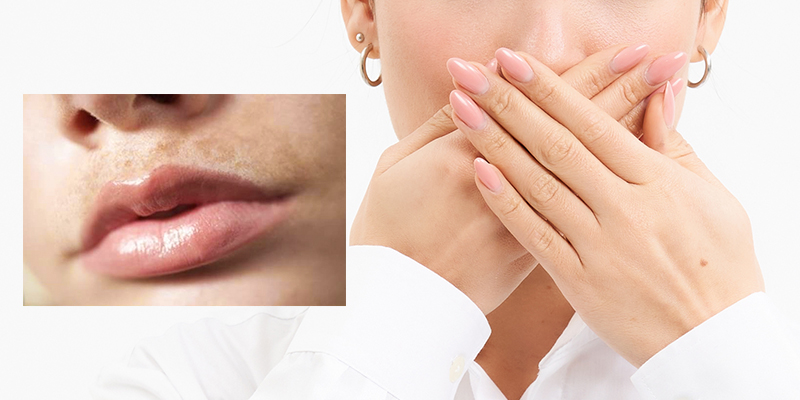
Melasma mustache, sometimes called upper lip melasma or simply lip melasma, is a localized type of facial melasma where darker, uneven pigmentation settles into the strip of skin between the nose and the upper lip. From a distance, the discoloration can look like a faint shadow or even a soft mustache, which is exactly how it picked up its everyday nickname, “sun mustache.”
Like every other form of melasma, the underlying issue is excess melanin production in a specific patch of skin. What makes this version different is how contained it stays. The pigmentation rarely drifts beyond the mustache zone, but if it’s left alone, the area tends to deepen in color, become patchier, and grow more noticeable over time, which can be a particularly sensitive concern for women.
Treating it early really does make a difference. The longer the melasma mustache lingers, the deeper it embeds into the skin and the harder it becomes to reverse later on. Going with a science-backed approach at a trusted clinic also helps you avoid the all-too-common cycle of fading, returning, and fading again that catches so many people off guard.
How to Identify Melasma Mustache
Because melasma mustache shares features with deep dermal melasma and post-inflammatory hyperpigmentation, accurate identification matters. Look for these three telltale signs:
- Location: The pigmentation appears in the area between the nose and the upper lip. In more advanced cases, it may extend slightly around the mouth or along the lip line.
- Shape: Small round spots or patches, sometimes clustered together, sometimes scattered. The result often resembles a faint shadow or “dark skin on upper lip” when viewed from a distance.
- Color: Typically deep brown or yellowish-brown. The shade darkens gradually over time, becoming more visible without consistent sun protection or treatment.
If you notice any combination of these signs, schedule a professional skin assessment as early as possible. Early-stage melasma is far more responsive to treatment than long-standing pigmentation.
What Causes Upper Lip Melasma?
Melasma mustaches rarely develop from a single cause. In most cases, it is the result of a combination of internal physiological triggers and external environmental factors. Understanding both sides is essential for any lasting result.
Internal Causes

Skin reflects internal health. Upper lip melasma often signals weakened immunity, slower metabolism, or hormonal shifts that activate excess melanin production. Common internal triggers include:
- Hormonal changes before, during, or after pregnancy. Hormone-driven pigmentation often improves once levels normalize.
- Menopause and perimenopause, when estrogen fluctuations stimulate melanocytes.
- Menstrual irregularities linked to underlying conditions.
- Chronic stress, fatigue, anxiety, or emotional instability, which all elevate cortisol and disrupt skin balance.
- Liver, kidney, or digestive dysfunction, which impair the body’s ability to flush toxins and regulate hormones.
- Natural aging, leading to slower cellular turnover.
- Skin aging and weakened skin barrier, increasing vulnerability to environmental damage.
This is why hormonal melasma mustache is one of the most frequently diagnosed forms in women in their 30s, 40s, and early 50s.
External Causes
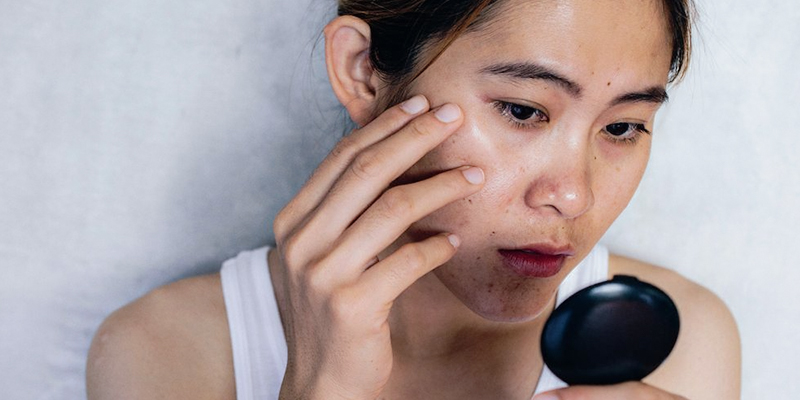
Most cases of upper lip pigmentation also involve poor protection against environmental aggressors:
- UV radiation is the leading external trigger. Without proper SPF, ultraviolet light accelerates melanin production, breaks down collagen, and in severe cases contributes to skin cancer. UV exposure is the primary culprit behind the so-called “sun mustache.”
- Blue light from phones, laptops, and tablets can stimulate melanocytes nearly as aggressively as sunlight. Reducing screen exposure is rarely realistic, so daily blue-light protection becomes essential.
- Low-quality, counterfeit, or expired cosmetics strip the skin barrier, weaken its defenses, and leave the upper lip area more reactive to sun and environmental stress.
- Lifestyle factors: poor sleep, irregular meals, high-sugar diets, lack of fiber, and dehydration all show up first as pigmentation, dullness, and uneven tone.
Skincare alone cannot fully fix what comes from within. Treating melasma mustache effectively requires addressing both internal and external causes simultaneously.
How To Get Rid Of Dark Skin Above Upper Lip
Treatments for Mild Melasma Mustache
For early-stage melasma, where pigmentation is light, recent, and not deeply embedded, conservative treatment can deliver visible improvement. The first step is always lifestyle adjustment: improving sleep, balancing diet, supporting internal organ function, and committing to daily sun protection. From there, two main options are recommended for mild cases.
1. Topical Melasma Mustache Cream
When choosing a cream for upper lip melasma treatment, prioritize products that:
- Inhibit or slow melanin production
- Calm inflammation and soothe stressed skin
- Stimulate skin renewal and barrier repair
- Brighten existing pigmentation safely
A dermatologist consultation provides the safest path to selecting the right active ingredients (such as tranexamic acid, niacinamide, vitamin C, alpha arbutin, or licensed hydroquinone formulations).
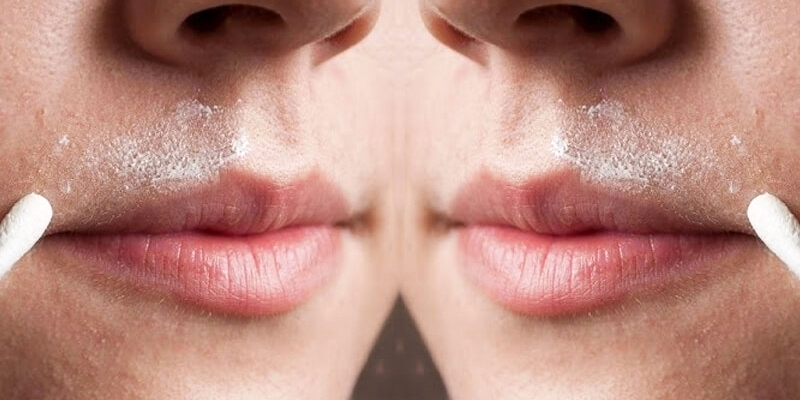
Below are the most commonly recommended products that can be found in Vietnam:
- Dr. Baumann pigmentation cream
- Sakura Transforming Cream for melasma and freckles
- Innisfree melasma-targeting creams
- Olay Luminous brightening line
- Angel’s Liquid Tranexamic Acid Mela Cream
- Eucerin pigmentation correction range
- Murad melasma treatment
These represent strong starting points as the best cream for upper lip pigmentation, but no over-the-counter product can outperform a personalized prescription regimen for stubborn cases.
2. Oral Supplements for Internal Support
Oral therapy works in tandem with topical care to address pigmentation from the inside out. Common used supplements include:
- Japanese formulas: White C Clear Transino, Ceregen, Be-Max Asta, Transino Whitening 240
- European formulas: Maxtone, Biocyte Éclat Extrême Pearl
- Korean formulas: WHOO line for skin brightening and pigmentation support
*Always consult a dermatologist before starting any oral supplement, especially during pregnancy, breastfeeding, or while on medication.

A note of caution: avoid unverified folk remedies or DIY natural treatments. Lemon juice, raw garlic, and harsh acidic ingredients applied directly to the upper lip can thin the skin, damage the barrier, and worsen pigmentation rather than fade it.
Advanced Treatments for Deep, Stubborn Cases
If pigmentation has settled deep into the skin, become densely concentrated, or spread around the mouth and along the melasma lip line, topical treatments alone will not be enough. At this stage, technology-driven clinical solutions deliver far stronger and faster results. The most effective options for advanced upper lip pigmentation removal include:
- Laser Therapy: Targeted laser wavelengths break down deep pigment particles and stimulate skin renewal. Multiple sessions deliver progressive lightening of the mustache zone.
- Exosome Mesotherapy: Combines pigmentation correction with deep skin regeneration. Exosome therapy works on a cellular level to repair damage, regulate melanin, and brighten skin tone.
- EXO PCELL+ Advanced Pigmentation Treatment: Keangnam Korea’s signature deep pigmentation removal protocol, designed specifically for stubborn melasma cases that resist conventional treatments. Delivers visible fading from the first sessions while protecting surrounding healthy skin.
For safety, always choose an accredited dermatology clinic or a licensed medical aesthetic facility. Avoid small spas with limited technology, untrained operators, or improperly sterilized equipment, as these settings frequently cause pigmentation rebound, burns, or scarring.
Where to Treat Melasma Mustache Safely and Effectively

Selecting the right clinic is one of the most important decisions in any melasma treatment journey. In Ho Chi Minh City, Keangnam Korea is the trusted destination for executives, diplomats, celebrities, and high-profile public figures, stands apart through:
- Five-star facilities and modern medical-grade equipment
- AI-supported skin analysis, delivering personalized treatment plans calibrated to each candidate’s pigmentation depth, skin type, and underlying health factors
- Senior medical team trained regularly in Korea, capable of identifying root causes and treating melasma at its source rather than masking surface symptoms
- Strict, government-approved safety protocols verified by Vietnam’s Ministry of Health
>> Learn more at: Medical-Grade Melasma Removal EXO PCELL+
Contact us now to schedule a free consultation and get a personalized assessment of your melasma mustache.
RELATED ARTICLES
Collagen Injection vs. Laser for Facial Skin: Cost, Recovery, and Fit
A collagen injection vs laser for aging facial skin, which is better? They are two distinct approaches to facial rejuvenation and do not replace each other. Lasers work from the outside in to correct surface texture and pigment, while injected
Collagen Shots for the Face vs. Mesotherapy: Aging Grades, Cost, and Results
Deciding between collagen shots for the face and mesotherapy comes down to identifying which layer of your skin is experiencing aging. Mesotherapy nourishes the superficial skin layers for quick surface hydration, whereas collagen shots for the face rebuild structural density
How Long Does a Fox Eye Thread Lift Last? Costs, Risks, and Results
A fox eye thread lift is a minimally invasive procedure that uses dissolvable barbed threads to suspend the outer corner of the eye (lateral canthus) and the eyebrow tail toward the temple. By gently pulling these soft tissues upward, the

What Is a Liquid Nose Job? Cost, Longevity and When Do Threads Work Better?
What is a liquid nose job? A liquid nose job (clinically known as liquid rhinoplasty) is a non-surgical procedure that reshapes the nose using precision injections of hyaluronic acid (HA) filler. The treatment takes 10 to 15 minutes, requires zero

Semi-Structural Rhinoplasty for a Low Bridge and Wide Tip: Cost and Recovery
Semi-structural rhinoplasty is a targeted surgical procedure that reshapes specific portions of the nose, typically modifying a broad, rounded tip with autologous cartilage while elevating a slightly low bridge with a biocompatible implant. The procedure takes 45 to 90 minutes

Non-Surgical Rhinoplasty Price in 2026: Cost by Filler and Thread Type
The non-surgical rhinoplasty price in Ho Chi Minh City, Vietnam, ranges from $230 to $1,720 (6 to 45 million VND) per treatment in 2026. The overall cost is determined primarily by the specific material and technique selected: The material used