Skip to content


Keangnam Korea Explores Modern Acne Scar & PIH Management
Keangnam Korea attended a scientific symposium discussing multimodal approaches to acne scars and post-inflammatory hyperpigmentation (PIH) management in aesthetic dermatology.
Keangnam Korea Expands Clinical Knowledge in Acne Scar and PIH Management
Acne often leaves more than temporary blemishes. Even after inflammation subsides, many individuals continue to experience acne scars and post-inflammatory hyperpigmentation (PIH)—two distinct conditions that affect both skin texture and skin tone.
As aesthetic dermatology continues to evolve, experts increasingly recognize that these concerns require individualized assessment rather than a single standardized treatment approach.
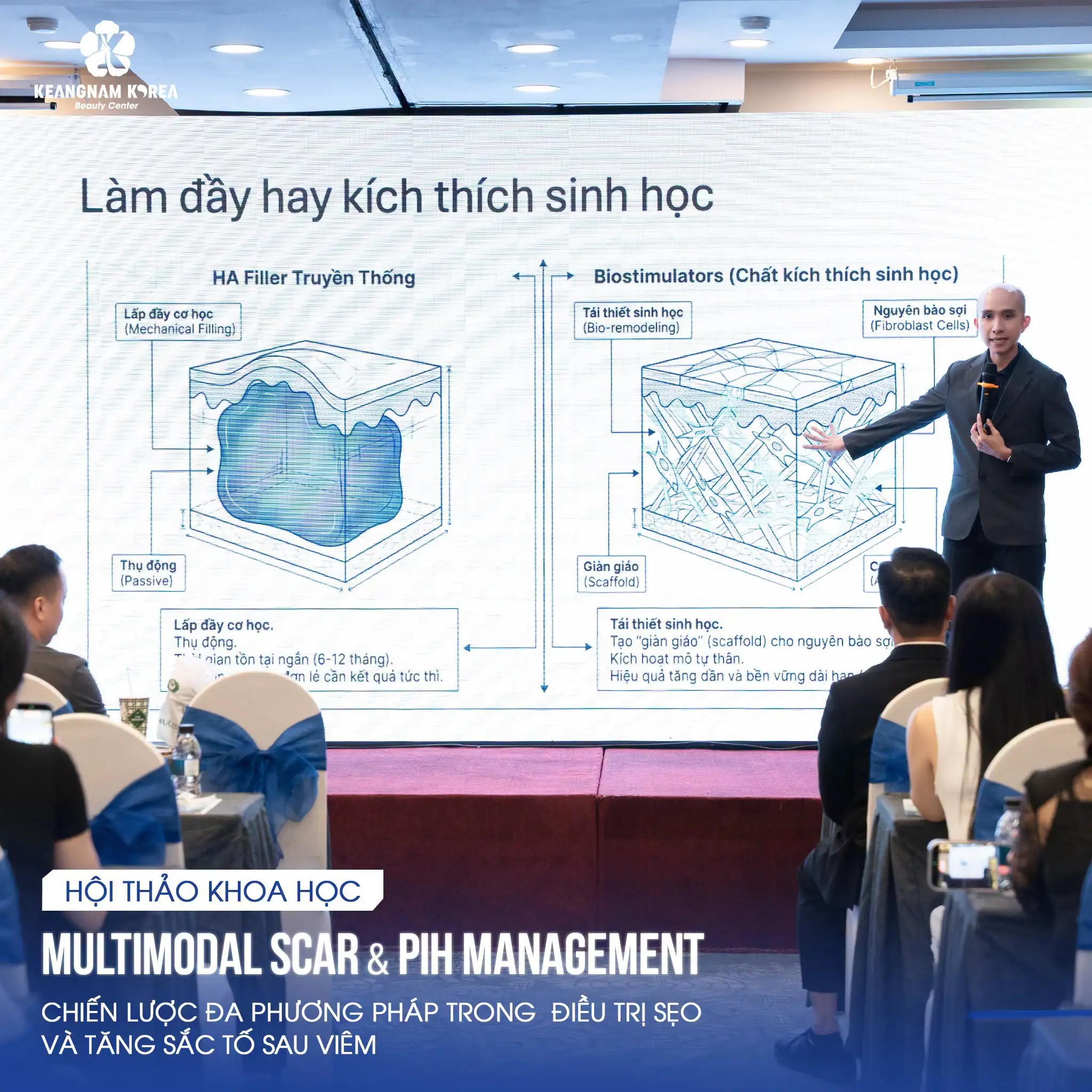
To stay informed about current clinical perspectives, Keangnam Korea recently participated in the scientific symposium “Multimodal Scar & PIH Management,” where dermatologists and aesthetic physicians discussed contemporary strategies for managing acne scars and post-inflammatory hyperpigmentation.

Why Acne Scars and PIH Should Be Evaluated Separately
Although acne scars and PIH often occur together, they develop through different biological processes.
- Acne scars primarily affect the skin’s structural integrity, leading to uneven texture or depressed areas.
- Post-inflammatory hyperpigmentation, on the other hand, involves changes in melanin production that result in darker patches after inflammation has healed.
Because these conditions differ in both cause and appearance, treatment planning should begin with a comprehensive skin assessment that considers each patient’s unique characteristics.

Scientific Discussions on Multimodal Treatment Strategies
The symposium focused on how multiple therapeutic modalities may be considered when developing personalized management plans.
Educational sessions explored a range of clinical topics, including:
- Chemical peeling
- Microneedling Therapy System (MTS)
- Fractional CO₂ Laser
- Combining treatment modalities
- Clinical decision-making based on individual skin conditions
Rather than promoting a universal solution, the discussions emphasized selecting appropriate options according to clinical evaluation.
Multimodal Care Is About Personalization, Not More Procedures
One of the key messages presented during the symposium was that multimodal management does not simply mean using several technologies at the same time.
Instead, experienced clinicians evaluate multiple factors before developing a treatment strategy, including:
- The type of acne scar
- Severity of post-inflammatory hyperpigmentation
- Skin characteristics
- Individual response to previous treatments
- Appropriate treatment timing
This personalized approach reflects the growing emphasis on patient-centered care in aesthetic dermatology.
Continuing Medical Education Supports Better Clinical Practice
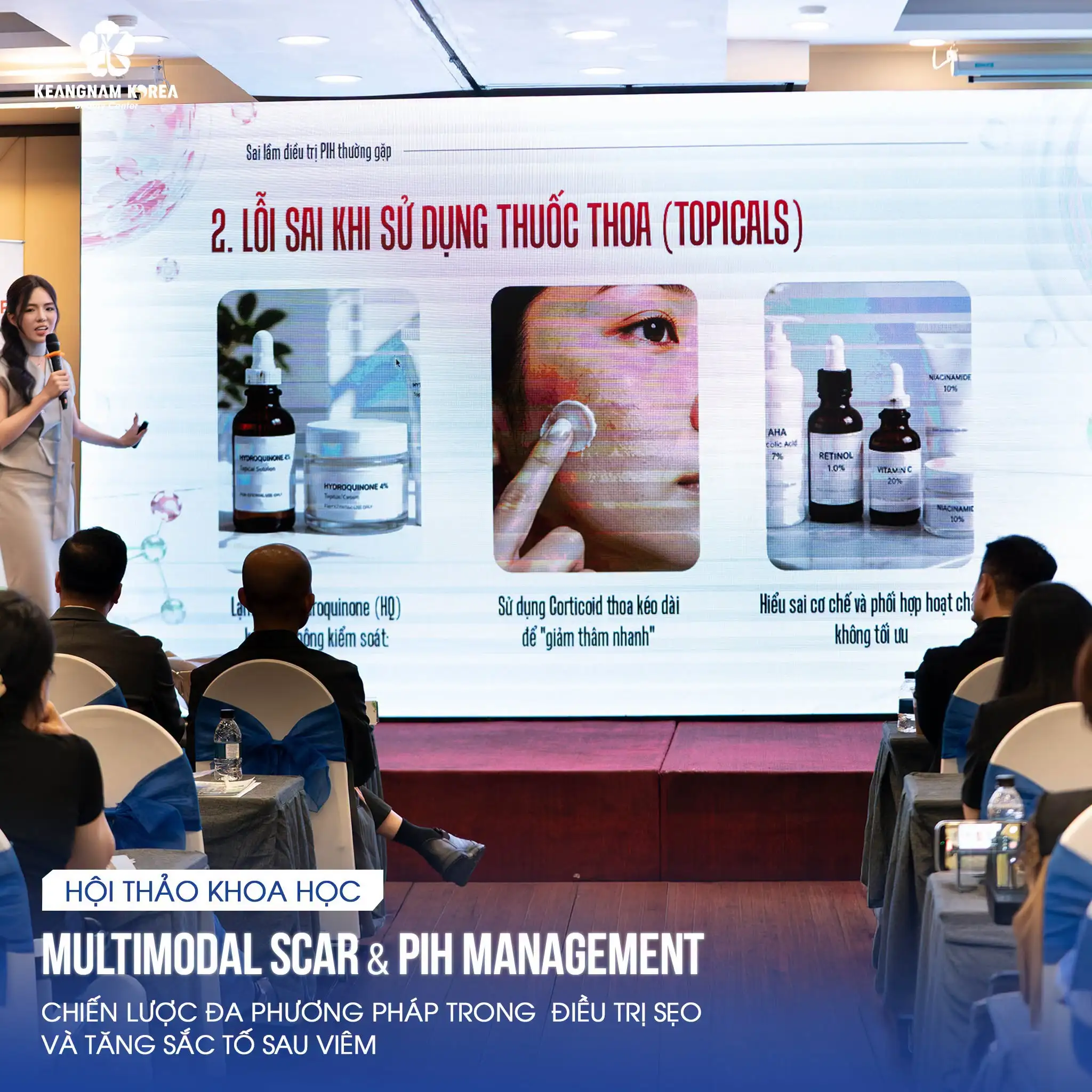
For aesthetic professionals, scientific conferences provide valuable opportunities to remain informed about evolving research and evidence-based practices.
Through participation in this educational event, Keangnam Korea’s specialists were able to:
- Review current clinical perspectives
- Exchange knowledge with dermatology experts
- Learn from case-based discussions
- Expand their understanding of personalized acne scar and PIH management
Continuous learning plays an important role in maintaining professional standards and supporting informed clinical decision-making.

Keangnam Korea’s Commitment to Professional Development
Advancements in aesthetic medicine require more than access to new technologies—they also depend on ongoing education and clinical expertise.
Keangnam Korea remains committed to:
- Continuous medical education
- Scientific conferences and professional workshops
- Evidence-informed aesthetic practice
- Personalized patient assessment
- Lifelong professional development
By actively participating in educational programs, the clinic continues to strengthen its medical knowledge while keeping pace with developments in modern dermatology.
Frequently Asked Questions
What is post-inflammatory hyperpigmentation (PIH)?
Post-inflammatory hyperpigmentation (PIH) refers to areas of darker skin that develop after inflammation or skin injury, such as acne. It results from increased melanin production during the healing process.
Why are acne scars and PIH managed differently?
Acne scars affect the skin’s physical structure, while PIH primarily affects skin pigmentation. Because these concerns have different underlying mechanisms, they often require different clinical approaches.
What does “multimodal management” mean?
Multimodal management refers to a personalized treatment strategy that may incorporate different therapeutic approaches based on an individual’s skin condition, rather than relying on a single technique for every case.
==> Keangnam Korea Updates the Latest Eye & Midface Rejuvenation Solutions
==> IMCAS Asia 2026: Keangnam Korea Updates on the Latest Global Aesthetic Trends
==> Keangnam Korea Explores Probiotic Exosomes for Skin Rejuvenation
RELATED ARTICLES

Alarplasty and Rhinoplasty Comparison: Which Procedure Fits Your Nose Shape
Selecting between alarplasty and rhinoplasty depends on whether your lower nose appears wide due to flared soft tissue or a low, unsupported structural bridge. Alarplasty isolates and reshapes the nostril wings at the base, whereas rhinoplasty elevates, straightens, or rebuilds
Nose Wing Reduction: Is Alarplasty Worth It? Pros, Cons, and Recovery Time
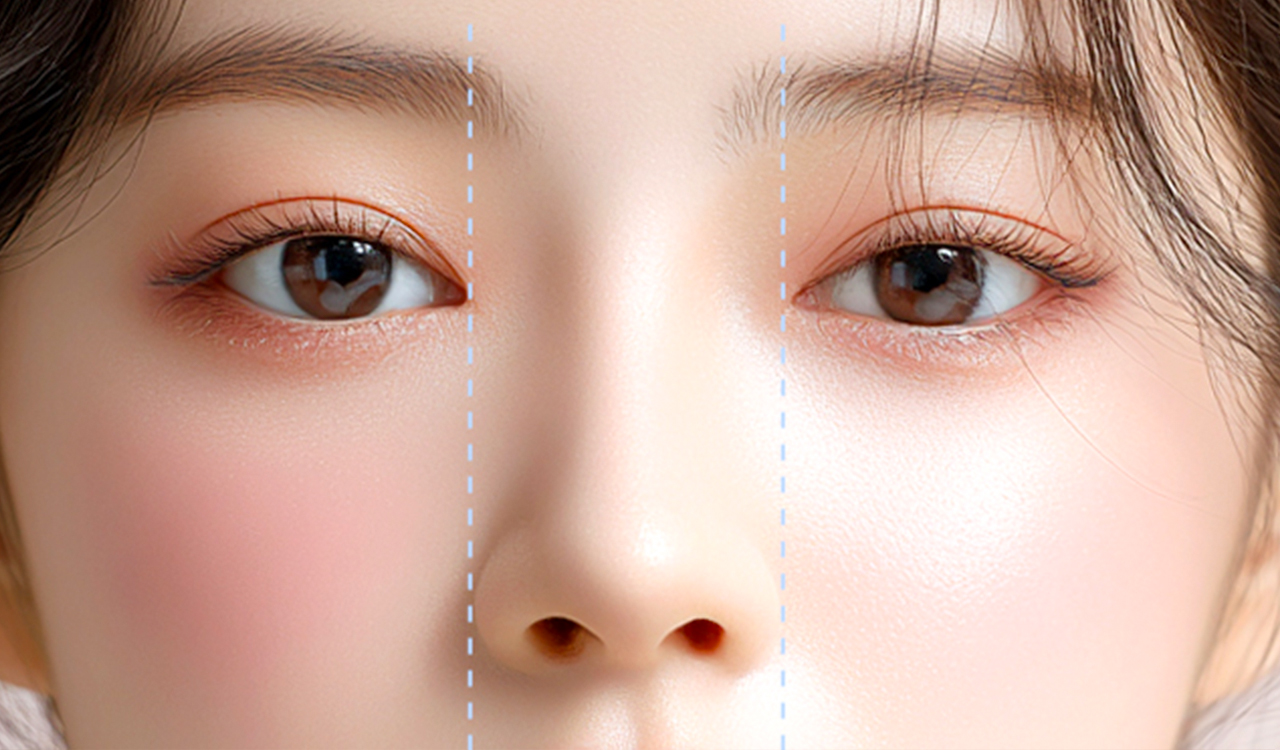
A nose wing reduction (alarplasty) is a surgical option for those whose nostril wings are naturally thick, wide, or flared while their nasal bridge height and tip projection already suit their overall facial proportions. This procedure selectively reshapes or excises

Alar Base Reduction Technique: Rolling vs. Excision Comparison
An alar base reduction technique narrows flared or wide nostrils by either folding the nostril rim inward with internal sutures or excising a targeted strip of tissue. In Ho Chi Minh City, Vietnam, plastic surgeons perform four main surgical variations
Top 5 Rhinoplasty Clinics in Ho Chi Minh
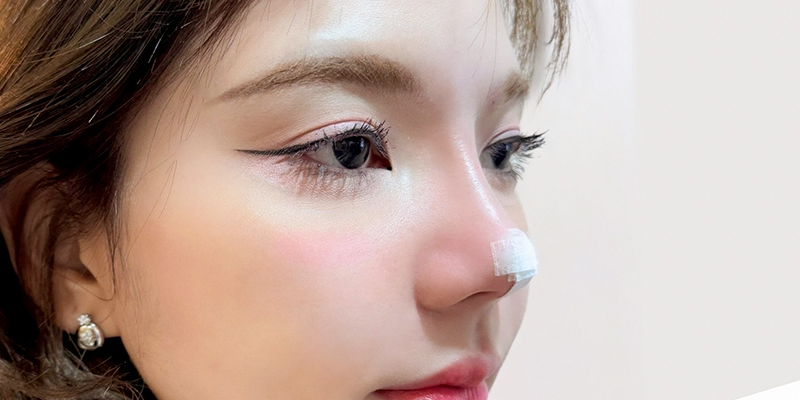
Rhinoplasty clinics in Ho Chi Minh City offer safe cosmetic nose surgery: Gangwhoo Aesthetic Hospital, JW Korean Aesthetic Hospital, Kangnam Aesthetic Hospital, Thu Cúc Aesthetic Hospital, and Keangnam Korea. In 2026, market rates for cosmetic nose surgery across these facilities

Collagen Injection vs. Laser for Facial Skin: Cost, Recovery, and Fit
A collagen injection vs laser for aging facial skin, which is better? They are two distinct approaches to facial rejuvenation and do not replace each other. Lasers work from the outside in to correct surface texture and pigment, while injected

Collagen Shots for the Face vs. Mesotherapy: Aging Grades, Cost, and Results
Deciding between collagen shots for the face and mesotherapy comes down to identifying which layer of your skin is experiencing aging. Mesotherapy nourishes the superficial skin layers for quick surface hydration, whereas collagen shots for the face rebuild structural density