Skip to content

Ptosis Correction Surgery or the Suture Method: Which Is Better for Your Eyelid Shape?
A droopy eyelid on one side is a common condition where one eyelid sits lower or appears smaller than the other. Beyond the clear impact on facial symmetry, this condition can cause functional issues. Over time, a progressive droop can obstruct the field of vision and interfere with daily activities.
To restore balance and function, two primary methods are available: the suture method (eyelid stitching) and incisional surgery (Ptosis Correction Surgery). This guide evaluates how both approaches work, their effectiveness, and which option matches specific eye conditions.

What Is One-Sided Ptosis and Can It Heal on Its Own?
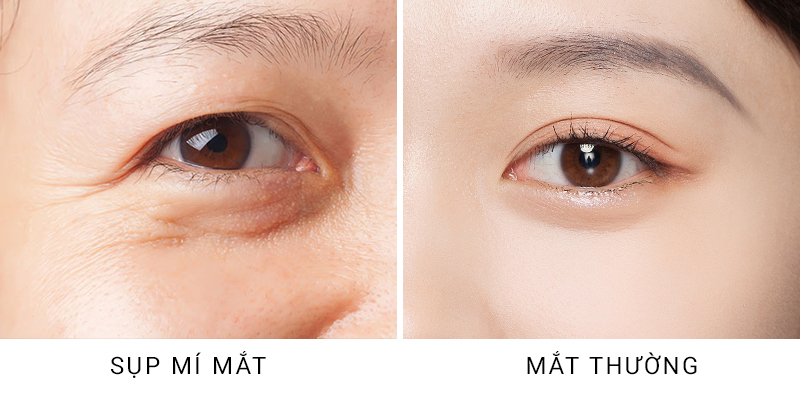
One-sided ptosis is a condition where the levator muscle (the main muscle responsible for lifting the upper eyelid) becomes weak in either the left or right eye. This weakness causes the upper eyelid to droop below its normal position. In advanced cases, the eyelid can cover a portion of the pupil.
The most visible result is uneven double eyelids, where one eye appears open and alert while the other looks tired or sleepy. This structural imbalance affects facial symmetry and can restrict the upper field of vision.
Can Droopy Eyelids Resolve on Their Own?
Eyelid drooping rarely resolves without clinical intervention. The likelihood of improvement depends entirely on the root cause of the condition:
- Fatigue-Related Drooping: Temporary eyelid droop caused by lack of sleep or eye strain can improve with lifestyle adjustments, proper rest, and topical treatments.
- Medical Conditions: When drooping stems from underlying neurological or systemic health issues, targeted medical treatments and prescription medications are required.
- Congenital or Age-Related Ptosis: Structural weakness present from birth or caused by the natural aging process alters the muscle tissue permanently. In these instances, home remedies or massages do not change the eyelid structure, making surgical correction the only effective path.
The Most Effective Treatment for One Droopy Eyelid
Selecting the correct surgical path depends on the underlying cause of the drooping eyelid. Among all available methods, ptosis correction surgery is the most reliable choice for permanent results. It addresses both the functional aspect of weak levator muscles and the cosmetic concern of asymmetrical eyelids. Compared to non-surgical options, it offers more complete correction with long-lasting outcomes.
While non-incisional methods offer quick recovery, structural muscle weakness requires a more comprehensive incisional approach. For very mild asymmetry, lighter cosmetic options such as brow lift procedures can also be considered.
Pros & Cons of Suture Method
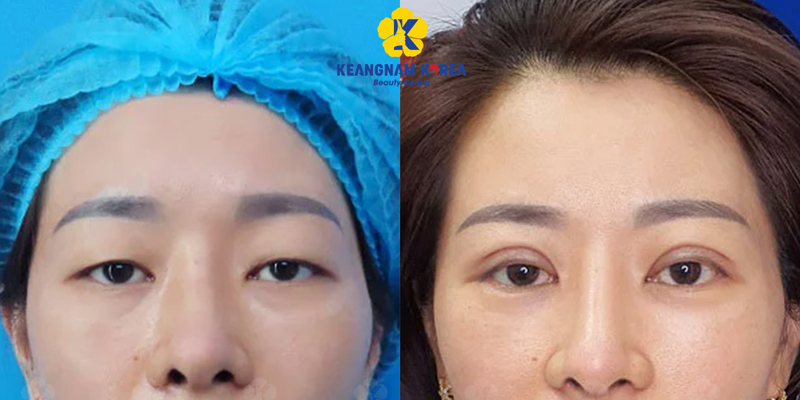
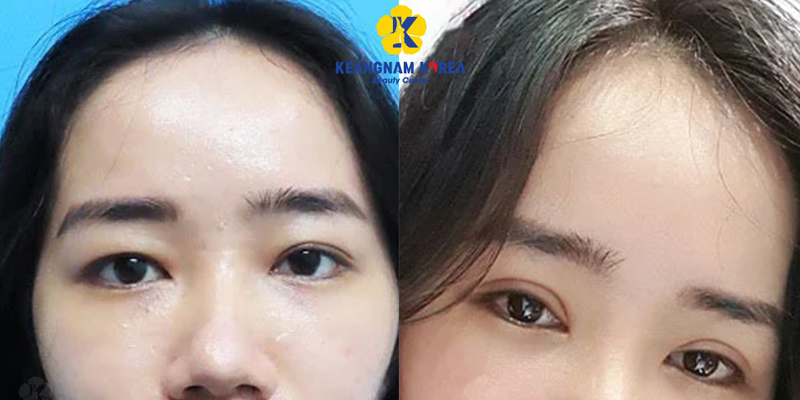
The suture method, commonly known as eyelid stitching, is a minimally invasive technique that addresses mild eyelid asymmetry without cutting the skin. The surgeon uses specialized threads to create a defined double eyelid crease, positioning the eyelid to match the opposite side. This process alters the eye appearance, making it look open and balanced after a single session.
However, this technique has technical limits. It is suitable only for mild cosmetic asymmetry. Because eyelid stitching simply creates a new crease without modifying the underlying muscle tissue, it cannot restore levator muscle function in true cases of ptosis.
Choosing this method for moderate or severe drooping can lead to short-term results, an unnatural skin-folding appearance, and potential vision complications if the underlying structural issue is ignored. This approach is ideal for individuals under 30 with minimal excess fat and skin.
Advantages
- No Incisions: The procedure uses sutures only, leaving no surgical cuts on the eyelid skin.
- Minimal Scar Risk: Without an incision, the likelihood of long-term visible scars is low.
- Clear Crease Creation: It delivers a defined double eyelid crease for individuals with naturally single or hidden eyelids.
- Efficient Process: The entire session typically takes between 30 and 45 minutes.
Disadvantages
- Limited Scope: This method is ineffective for moderate to severe muscle weakness.
- Temporary Outcomes: The internal suture loops can loosen over time, requiring a revision procedure after a few years.
Pros & Cons Of Ptosis Correction Surgery
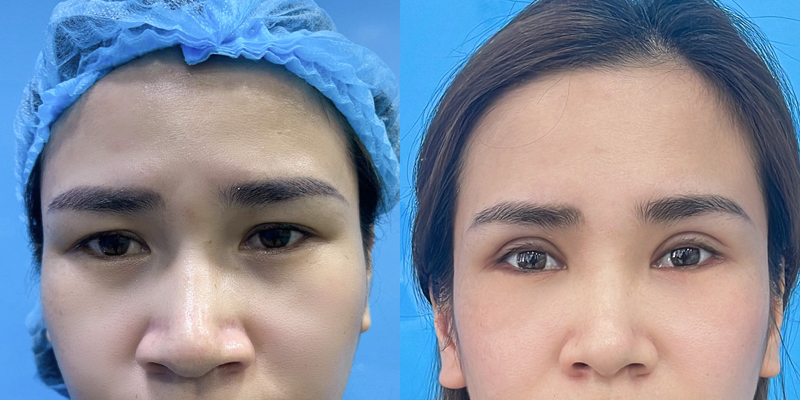
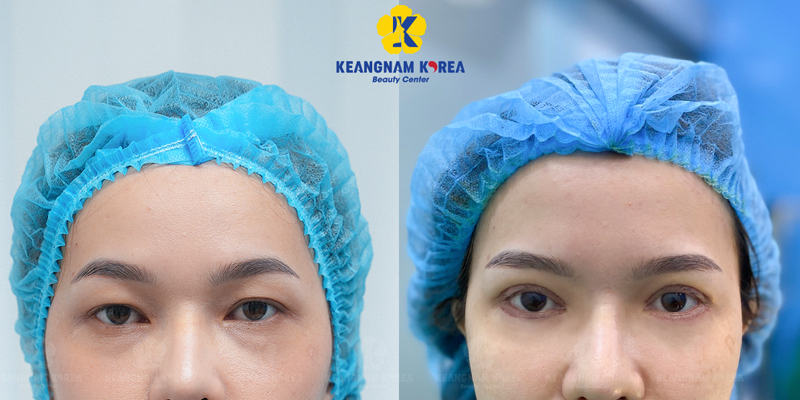
For individuals with moderate to severe drooping, or those who require permanent correction, incisional eyelid surgery serves as the clinical standard. The surgeon creates a precise incision along the natural eyelid line, removes excess skin and fat, and directly adjusts the levator muscle to balance both eyes. This structural correction restores proper muscle function and establishes a firm, youthful eyelid contour.
A primary advantage of this method is its adaptability. If the initial examination reveals secondary concerns – such as narrow eye corners, a small eye shape, or deep wrinkles- the surgeon can address these structural issues during the same session. This comprehensive approach modifies the entire eye area in a single visit.
Advantages
- Permanent Correction: The structural changes last for many years, often remaining stable throughout the natural aging process.
- Multi-Concern Correction: The procedure combines ptosis muscle repair, excess skin removal, fat sculpting, and eye corner adjustments if necessary.
- Root-Cause Treatment: It repairs the weak levator muscle directly, resolving the functional cause of the droopy eyelid rather than just creating a cosmetic illusion.
Disadvantages
- Requires an Incision: The technique involves a surgical cut along the eyelid crease line, which requires a standard recovery period.
- Dependent on Aftercare: Substandard post-surgery hygiene or failure to follow scar prevention protocols can impact the healing quality of the incision line.
Which Method Is Right for Your One Droopy Eyelid?
Based on the comparison between both techniques, incisional blepharoplasty serves as the standard solution for the majority of one-sided ptosis cases. Because this technique modifies the levator muscle directly to deliver permanent outcomes, individuals with structural drooping, absent eyelid creases, advanced aging signs, or excess skin should focus on this approach.
The suture method remains a practical choice only for individuals presenting with mild cosmetic asymmetry and minimal tissue laxity.
For a safe and effective correction, the selection of an accredited clinic is as critical as the choice of surgical technique. Substandard execution by inexperienced practitioners can lead to asymmetrical outcomes, regardless of the method chosen. Prioritizing a licensed aesthetic clinic with verifiable credentials and a certified medical team ensures proper healing and natural facial balance.
Suture Method vs. Incisional Ptosis Surgery Comparison
| Clinical Aspect | The Suture Method | Ptosis Correction Surgery |
| Primary Mechanism | Uses specialized threads to create a double eyelid crease without cutting. | Creates an incision to shorten and reinforce the weak levator muscle. |
| Target Condition | Mild cosmetic asymmetry where the eyelid muscle retains normal strength. | True structural drooping (ptosis), excess skin, and fat pockets. |
| Surgical Incision | None. Performed entirely through micro-suture entry points. | Required. A precise incision along the natural eyelid crease line. |
| Longevity of Results | Temporary. Suture loops can loosen or fade over a few years. | Permanent. Structural muscle modifications last for many years. |
| Recovery Period | Fast recovery with minimal swelling (typically 3 to 5 days). | Standard surgical recovery phase (typically 7 to 14 days for stitch removal). |
| Ideal Candidate | Individuals under 30 with firm skin and no severe muscle weakness. | Individuals of any age with moderate to severe drooping or excess skin. |
Where to Get Trusted Ptosis Correction Surgery in Ho Chi Minh City
At Keangnam Korea, we’ve spent 10 years refining our approach to ptosis correction surgery and eyelid aesthetics. Our specialty is the exclusive Perfect Eyes technique, transferred directly from LUX, one of Korea’s leading aesthetic groups. This advanced eyelid surgery method combines precision technology with expert craftsmanship to address multiple concerns in a single procedure.
- Levator Muscle Lift to Correct Ptosis: Restores natural muscle function for permanent symmetry between both eyes.
- Brow Lift for a Refreshed Look: Lifts the brow line to enhance the overall eye area.
- Under-Eye Fat Sculpting: Removes puffy under-eye bags for a clean, youthful appearance.
- Defined Double Eyelid Creation: Creates sharp, natural-looking creases that suit your facial features.
- Lateral Canthoplasty for Wider Eyes: Opens the outer corner to enlarge the eye shape when needed.
The biggest advantage of incisional blepharoplasty at Keangnam Korea is that it leaves virtually no visible scarring. Our Berna Stitch internal suturing technique eliminates the need for stitch removal, allowing the incision to heal more easily with better anti-inflammatory response. The result is eyes that look beautifully natural and stay that way for years to come.
If you’re ready to find the right ptosis correction surgery for your case, a personalized consultation with our specialists is the best place to start. At Keangnam Korea, we’re here to assess your unique condition and guide you to the safest, most effective solution.
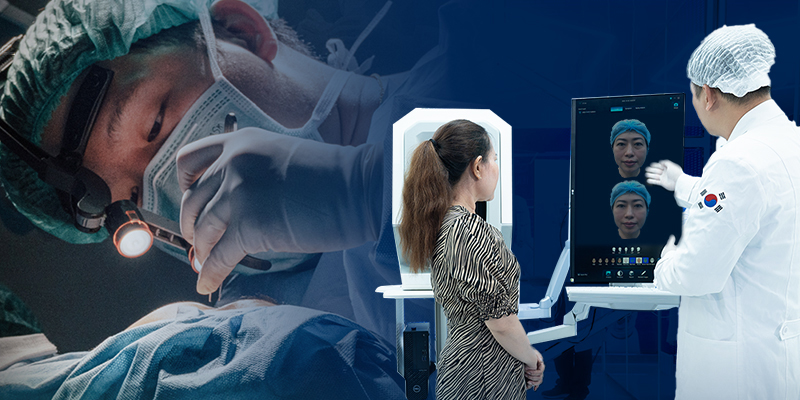
For expert advice regarding the Perfect Eyes procedure or to evaluate your specific eyelid condition, consultations can be arranged by contacting the hotline at 0911 833 555.
RELATED ARTICLES
Collagen Injection vs. Laser for Facial Skin: Cost, Recovery, and Fit
A collagen injection vs laser for aging facial skin, which is better? They are two distinct approaches to facial rejuvenation and do not replace each other. Lasers work from the outside in to correct surface texture and pigment, while injected

Collagen Shots for the Face vs. Mesotherapy: Aging Grades, Cost, and Results
Deciding between collagen shots for the face and mesotherapy comes down to identifying which layer of your skin is experiencing aging. Mesotherapy nourishes the superficial skin layers for quick surface hydration, whereas collagen shots for the face rebuild structural density
How Long Does a Fox Eye Thread Lift Last? Costs, Risks, and Results
A fox eye thread lift is a minimally invasive procedure that uses dissolvable barbed threads to suspend the outer corner of the eye (lateral canthus) and the eyebrow tail toward the temple. By gently pulling these soft tissues upward, the

What Is a Liquid Nose Job? Cost, Longevity and When Do Threads Work Better?
What is a liquid nose job? A liquid nose job (clinically known as liquid rhinoplasty) is a non-surgical procedure that reshapes the nose using precision injections of hyaluronic acid (HA) filler. The treatment takes 10 to 15 minutes, requires zero
Semi-Structural Rhinoplasty for a Low Bridge and Wide Tip: Cost and Recovery
Semi-structural rhinoplasty is a targeted surgical procedure that reshapes specific portions of the nose, typically modifying a broad, rounded tip with autologous cartilage while elevating a slightly low bridge with a biocompatible implant. The procedure takes 45 to 90 minutes
Non-Surgical Rhinoplasty Price in 2026: Cost by Filler and Thread Type
The non-surgical rhinoplasty price in Ho Chi Minh City, Vietnam, ranges from $230 to $1,720 (6 to 45 million VND) per treatment in 2026. The overall cost is determined primarily by the specific material and technique selected: The material used