Skip to content


Structural Rhinoplasty: What It Is, Cost, and How It Compares in 2026
Structural rhinoplasty is a comprehensive nose surgery that rebuilds the bridge, tip, and columella together, and it costs about 30,000,000 to 77,000,000 VND (roughly 1,140 to 2,930 USD) in Vietnam in 2026.
Unlike a basic nose job that simply places an implant on the bridge, this technique reconstructs the load-bearing framework of the nose using the individual’s own cartilage combined with a premium synthetic implant. The result is a nose that is higher, better proportioned, and built to last.
This guide explains what structural rhinoplasty is, how it compares with traditional and semi-structural techniques, what it costs, how long it lasts, and how to choose a safe place to have it done.

What Is Structural Rhinoplasty?
Structural rhinoplasty is a surgical technique that corrects the nose comprehensively rather than in one spot. This technique does not only raise the bridge but also reshape the tip and the columella (the strip of tissue between the nostrils) at the same time.
The method combines two materials. A high-grade synthetic implant raises and contours the bridge, while autologous cartilage (usually taken from the ear or the nasal septum) rebuilds the tip and columella. This combination delivers an aesthetic shape while sharply reducing long-term complications such as redness, implant visibility under the skin, or tip thinning.
Structural rhinoplasty is performed through the open rhinoplasty technique: a small inverted-V incision across the columella lets the surgeon lift the nasal skin and see the cartilage and bone directly. It is why this approach can fix short, upturned, crooked, humped, or previously operated noses that simpler methods cannot.
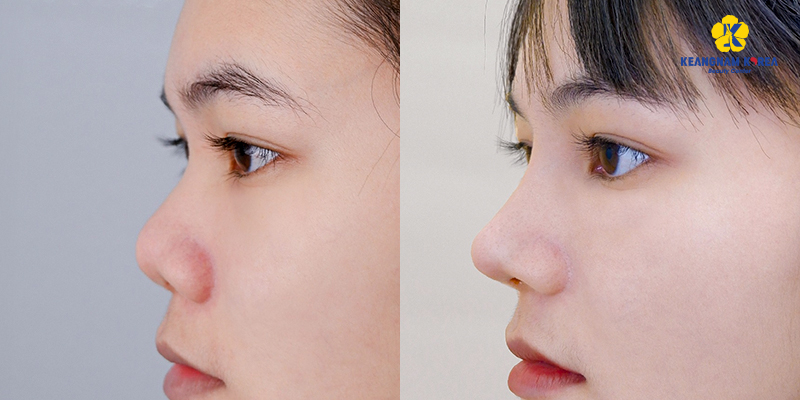
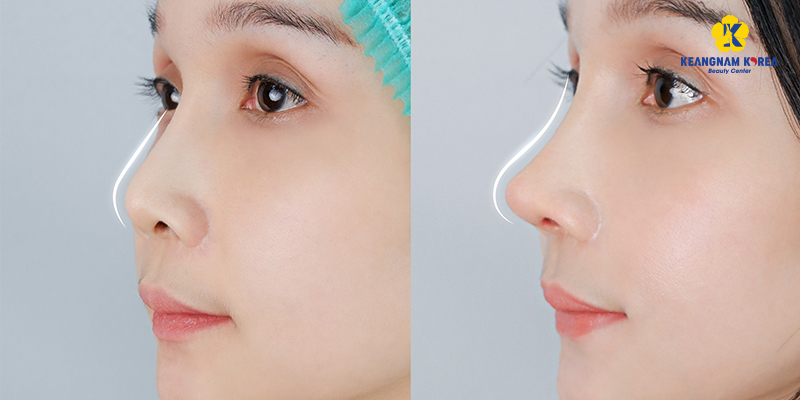
Structural Rhinoplasty vs. Traditional Rhinoplasty Comparison
Traditional rhinoplasty places a single soft silicone implant on the bridge through a small closed incision inside the nostril. It is fast and affordable, but it changes only the bridge and relies entirely on the existing tip for support. Structural rhinoplasty intervenes in the entire framework.
The table below compares these 2 methods in detail
| Criteria | Traditional Rhinoplasty | Structural Rhinoplasty |
| Surgical approach | Closed incision inside one nostril | Open rhinoplasty technique (inverted-V incision across the columella) |
| Materials used | Synthetic implant only (soft silicone) | Synthetic implant for the bridge plus autologous cartilage for the tip and columella |
| Scope of correction | Raises the bridge only | Reshapes bridge, tip, columella, and septal support together |
| Ability to fix deformities | Cannot fix short, upturned, crooked, or failed noses | Corrects complex flaws, including humps, deviation, short tips, and revision cases |
| Surgery time | 15 to 30 minutes | 60 to 120 minutes |
| Recovery | About 8 to 10 days | About 10 to 15 days |
| Longevity | 10 to 25 years, depending on skin and material | Designed to be permanent; the autologous framework integrates with the body |
| Risk profile | Higher risk of implant show, redness, or tip skin thinning over time | Very low complication rate when performed by a qualified surgeon |
| Cost (2026) | 14,000,000 to 22,400,000 VND (530 to 850 USD) | 30,000,000 to 77,000,000 VND (1,140 to 2,930 USD) |
In summary, Traditional rhinoplasty suits a nose that is already long and well-shaped and only needs gentle bridge height. Structural rhinoplasty is the medically appropriate choice when the underlying framework itself needs correction.
Structural vs. Semi-Structural Rhinoplasty Comparison
Semi-structural rhinoplasty raises the bridge with a synthetic implant and lightly reinforces the tip (often with an ear cartilage wrap), but it does not rebuild the columella or septal support underneath. Structural rhinoplasty reconstructs that framework completely.
- Scope of correction: Structural rhinoplasty handles complex flaws such as a humped or crooked bridge, a large or short tip, and asymmetry. Semi-structural rhinoplasty addresses simpler concerns, mainly a low or flat bridge on a nose that is otherwise sound.
- Technique and materials: Structural rhinoplasty combines a synthetic bridge implant with autologous cartilage grafts, which keeps the tip soft and natural and lowers complication risk. Semi-structural rhinoplasty relies mostly on the synthetic implant, so the strength of the result depends on the cartilage foundation the individual already has.
- Durability: A structural result can be maintained for 10 to 20 years and often for life, because the grafted cartilage becomes part of the body. A semi-structural result typically lasts around 5 to 10 years before the tip may soften or the implant needs revision.
- Cost: Structural rhinoplasty costs more because the technique is more demanding and the scope of correction is wider.
In summary, If the goal is a complete, long-lasting transformation, structural rhinoplasty is the stronger investment. If the nose has only minor flaws and needs a subtle lift along the bridge, semi-structural rhinoplasty is a reasonable option.
The Core Components of Asian Structural Rhinoplasty
Asian structural rhinoplasty is a service designed for: a low or flat bridge, a short or upturned tip, thicker skin, and a wide nasal base. Each component of the nose is treated with the matching material.
1. Bridge: Premium Synthetic Implant
The bridge is raised with a high-grade implant such as Surgiform or Nanoform (or medical silicone in standard cases). These biocompatible materials are carved to fit the individual bridge, creating natural height for an S-line or L-line profile without the stiff, artificial look of older implants.
2. Tip and Columella: Septal Extension Graft Plus Ear Cartilage
The defining step of the technique is the septal extension graft. Cartilage from the nasal septum (or biologic rib cartilage in demanding cases) is fixed to the existing septum to build a new central pillar. This graft lengthens a short, upturned nose and lifts the tip with real structural support rather than implant pressure. Soft, curved ear cartilage then wraps the tip, keeping it round and natural to the touch.
Why Autologous Cartilage Matters
This autologous cartilage rhinoplasty approach is what protects the most fragile part of the nose. Because the tip is covered by living tissue instead of a hard implant, the risks that plague basic implant-only nose jobs (redness at the tip, visible implant outline, and skin thinning or perforation) drop dramatically. The body accepts its own cartilage without rejection, which is also why the framework lasts.
Pros and Cons of Structural Rhinoplasty
Like any surgical procedure, structural rhinoplasty has both strengths and trade-offs. A balanced view of each helps set realistic expectations.
Advantages:
- High aesthetic impact: The technique reshapes the entire nose, not just the bridge, producing a natural, balanced result tailored to each face.
- Lower complication risk: Wrapping the tip in ear cartilage prevents the redness and implant show that commonly affect implant-only techniques.
- Suits complex cases: Humped noses, crooked noses, short or upturned tips, and failed previous surgeries all respond well to full reconstruction.
- Long-lasting result: With premium implant material and autologous cartilage, the shape can hold for 10 to 20 years and often permanently with good care.
Disadvantages:
- Higher cost: At 30,000,000 to 77,000,000 VND (1,140 to 2,930 USD), it costs more than basic or semi-structural techniques.
- Longer recovery: Because the whole framework is rebuilt, the nose takes about 10 to 15 days of initial healing and 1 to 3 months to fully stabilize.
- Surgeon-dependent: This is a technically demanding operation. Results and safety depend heavily on the surgeon’s training and experience, so the choice of clinic matters more than with simpler procedures.

How Long Does Structural Rhinoplasty Last?
A common question is how long does structural rhinoplasty last, and whether the result is permanent. The framework built from the individual’s own cartilage integrates with the body and does not degrade, so the structure itself is considered essentially permanent. In practice, most clients maintain their result for 10 to 20 years or longer, and three factors decide where any individual falls in that range.
- Cartilage type: Autologous cartilage (such as ear or septal cartilage) adapts well to the body, reduces complication risk, and extends the life of the result.
- Surgeon and facility: A skilled surgeon fixes the framework precisely, which keeps the shape stable for decades. Licensed centers also use certified implant materials, which age far better than cheap alternatives.
- Aftercare: Following post-operative instructions, protecting the nose from impact, and attending follow-up visits all preserve the result.
When Are the Stitches Removed?
Stitches usually come out 7 to 10 days after structural rhinoplasty. During that window, three habits protect the healing nose: avoid any impact to the nasal area, clean the incision exactly as instructed, and skip strenuous activity or heavy sweating to reduce infection risk.
How Much Does Structural Rhinoplasty Cost?
Structural rhinoplasty cost in Vietnam ranges from 30,000,000 to 77,000,000 VND (roughly 1,140 to 2,930 USD) in 2026. USD figures are approximate, based on an exchange rate of about 26,300 VND to 1 USD. Four factors move the final price within that band.
- Cartilage and implant materials: Premium implants such as Surgiform or Nanoform cost more than standard silicone, and cases that need rib cartilage rise further.
- Current nose condition: A nose with multiple flaws, or one that needs revision after a previous surgery, requires more operating time and skill.
- The facility: Licensed centers with modern technology and specialist surgeons charge more, and that difference generally reflects sterile standards, certified materials, and structured aftercare.
- Scope of the correction: Adding nostril reduction or hump correction to the plan increases the total.
Where Should You Get Structural Rhinoplasty?
Because outcomes depend so heavily on the surgeon, the choice of facility is the single most important decision. Keangnam Korea is one of the leading addresses for structural rhinoplasty in Vietnam, with several factors behind that reputation.
- More than 10 years of experience: Keangnam Korea International Aesthetic Institute is among the few centers licensed by the Ministry of Health to perform cosmetic surgery for both Vietnamese and international clients.
- Highly qualified surgeons: Procedures are examined and performed directly by surgeons holding master’s and doctoral degrees in aesthetic surgery.
- Face AI Pro technology: Advanced facial analysis predicts the post-surgery result with up to 99% accuracy, helping each client choose the nose shape that truly fits their face.
- Premium materials: High-grade synthetic implants combined with autologous cartilage minimize the risk of implant show, redness, and other complications.
- Medical-standard protocol: Surgery takes place in a sterile environment with a full sequence of examination, health screening, sedation, and careful post-operative care.
- Thorough aftercare policy: Clients receive detailed aftercare guidance and scheduled follow-up visits to keep the result stable and safe.
- Trusted by public figures: Many artists and TikTok creators have had successful rhinoplasty at the center, building strong community trust.
- Transparency and safety first: The center openly advises clients to avoid cheap, unlicensed providers and publishes clear pricing before any decision.
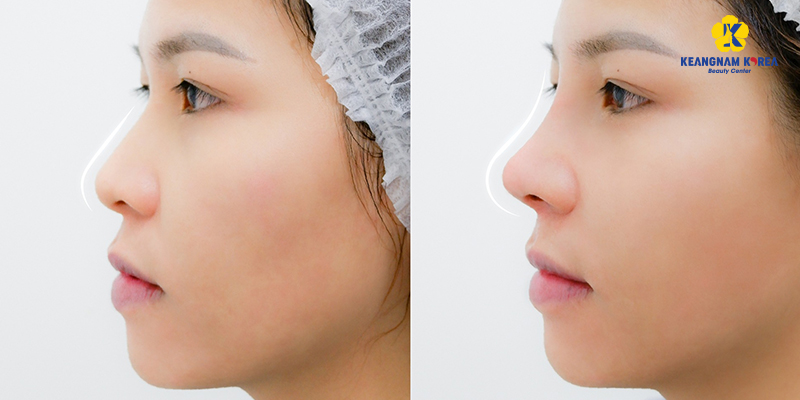
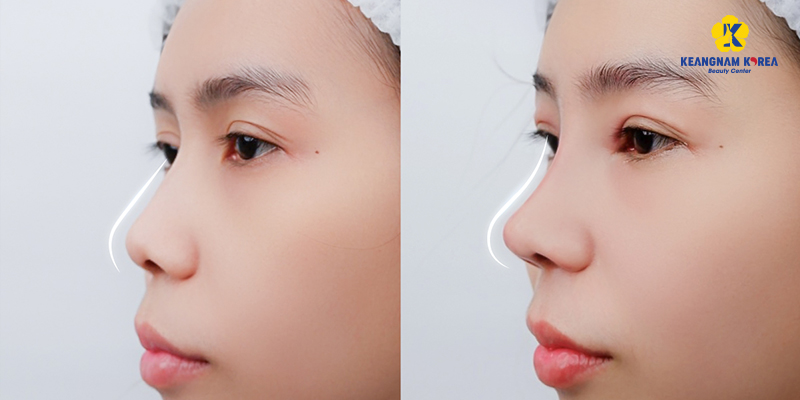
Book a consultation
Structural rhinoplasty is the most complete answer for anyone who wants to correct the whole nose rather than just raise the bridge. It combines a premium implant with the body’s own cartilage to deliver a natural, harmonious profile, a very low complication rate, and a result designed to last decades. The trade-offs are higher cost, longer recovery, and a strong dependence on surgeon skill, which is why the safest path is a licensed center with experienced specialists.
For a personal assessment, a health check, and transparent pricing, contact Keangnam Korea at 0911 833 555 to book a free consultation.
What is structural rhinoplasty in simple terms?
Structural rhinoplasty is a nose surgery that rebuilds the entire nasal framework: the bridge is raised with a premium synthetic implant while the tip and columella are reconstructed with the individual’s own cartilage (usually ear or septal cartilage). It corrects complex flaws that a basic implant-only nose job cannot.
How much does structural rhinoplasty cost in 2026?
Structural rhinoplasty cost in Vietnam ranges from about 30,000,000 to 77,000,000 VND (roughly 1,140 to 2,930 USD), depending on the materials, the condition of the nose, and the facility. Avoid any surgical offer under 5,000,000 VND, which signals unsafe materials or unqualified providers.
How long does structural rhinoplasty last? Is it permanent?
The autologous cartilage framework integrates with the body and is considered essentially permanent. In practice, results are typically maintained for 10 to 20 years or for life, depending on the cartilage used, the surgeon’s skill, and aftercare.
Is structural rhinoplasty better than traditional rhinoplasty?
For noses with complex flaws (short, upturned, crooked, humped, or previously operated), yes: structural rhinoplasty corrects the framework itself and carries a lower long-term complication risk. For a nose that only needs slight bridge height, a simpler technique may be sufficient.
What is a septal extension graft?
A septal extension graft is the core maneuver of structural rhinoplasty. Cartilage from the nasal septum is fixed to the existing septum to build a new central support, which lengthens a short nose and lifts the tip without pressing a hard implant against the tip skin.
RELATED ARTICLES

Collagen Injection vs. Laser for Facial Skin: Cost, Recovery, and Fit
A collagen injection vs laser for aging facial skin, which is better? They are two distinct approaches to facial rejuvenation and do not replace each other. Lasers work from the outside in to correct surface texture and pigment, while injected

Collagen Shots for the Face vs. Mesotherapy: Aging Grades, Cost, and Results
Deciding between collagen shots for the face and mesotherapy comes down to identifying which layer of your skin is experiencing aging. Mesotherapy nourishes the superficial skin layers for quick surface hydration, whereas collagen shots for the face rebuild structural density

How Long Does a Fox Eye Thread Lift Last? Costs, Risks, and Results
A fox eye thread lift is a minimally invasive procedure that uses dissolvable barbed threads to suspend the outer corner of the eye (lateral canthus) and the eyebrow tail toward the temple. By gently pulling these soft tissues upward, the

What Is a Liquid Nose Job? Cost, Longevity and When Do Threads Work Better?
What is a liquid nose job? A liquid nose job (clinically known as liquid rhinoplasty) is a non-surgical procedure that reshapes the nose using precision injections of hyaluronic acid (HA) filler. The treatment takes 10 to 15 minutes, requires zero

Semi-Structural Rhinoplasty for a Low Bridge and Wide Tip: Cost and Recovery
Semi-structural rhinoplasty is a targeted surgical procedure that reshapes specific portions of the nose, typically modifying a broad, rounded tip with autologous cartilage while elevating a slightly low bridge with a biocompatible implant. The procedure takes 45 to 90 minutes

Non-Surgical Rhinoplasty Price in 2026: Cost by Filler and Thread Type
The non-surgical rhinoplasty price in Ho Chi Minh City, Vietnam, ranges from $230 to $1,720 (6 to 45 million VND) per treatment in 2026. The overall cost is determined primarily by the specific material and technique selected: The material used