Skip to content


Types of Eyelids: Popular Shapes and Asian Trends
Modern cosmetic eye procedures go beyond simply correcting functional or aging concerns like drooping skin, excess fat, or asymmetry. Today, treatment plans combine structural correction with personalized aesthetic shaping to create popular shapes—such as refined almond, elegant phoenix, and open double eyelids—that align with current Asian trends favoring soft, natural-looking crease heights (6 to 8 mm).
Knowing which of the primary types of eyelids you have makes choosing the right aesthetic approach much easier. Read on to explore popular shapes, current Asian trends, and the best procedure options for your eyes below.

Highly Desirable and Flattering Types of Eyelids
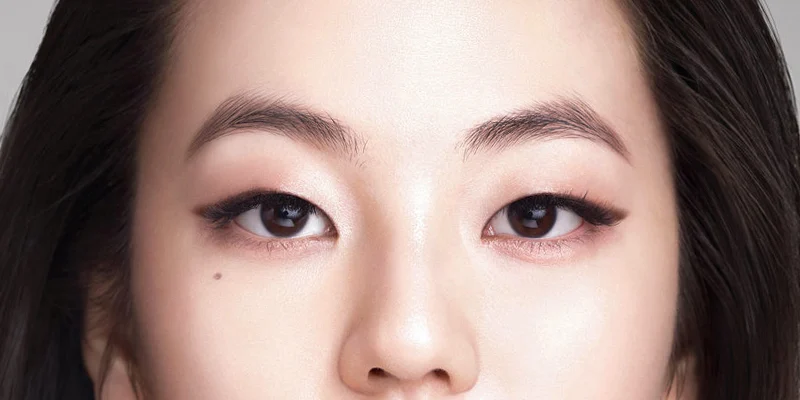
Facial aesthetics consider certain types of eyelids highly desirable due to their natural symmetry, clear crease structure, and energetic, open gaze:
- Balanced Double Eyelid: Features a clean, continuous fold running parallel or gently tapering above the lash line. It provides a bright, refreshed expression and serves as the baseline for most cosmetic enhancements.
- Almond Eyes: Characterized by a subtle upward tilt at the outer corner and a visible crease, almond lids are widely considered the most versatile and symmetrical eye shape across Asian and Western cultures.
- Phoenix Eyes: Highly praised in Asian aesthetics, this shape features a long, elegant upper crease extending toward the temple with a slightly upturned outer tail, imparting a refined and captivating look.
- Upturned Eyes: The outer canthus sits naturally higher than the inner corner, creating a lifted, youthful appearance that resists early aging sagging.

Unflattering or Problematic Eyelid Traits
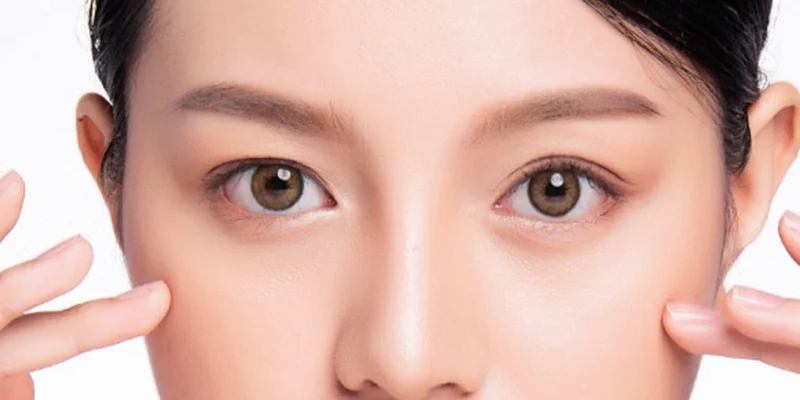
Certain eyelid structures can make a person look tired, aged, or angry, and may sometimes impair vision:
- Heavy Hooded Lids: Excess skin drapes over the natural fold, completely obscuring the eyelid plane and creating a heavy, fatigued appearance.
- Severe Ptosis (Droopy Eyelids): Caused by weakness in the levator muscle, the upper lid border sags down over the pupil, giving a sleepy or stern look while potentially blocking the upper field of view.
- Downturned or Sloping Eyes: The outer corner dips below the inner corner, making the eyes appear sad or prematurely aged.
- Sunken or Hollow Sockets: Loss of orbital fat creates deep hollows under the brow bone, casting dark shadows that emphasize tiredness.
- Asymmetrical or Multiple Creases: Uneven crease heights or fragmented skin folds cause noticeable imbalance between the left and right eyes.
- Pronounced Under-Eye Bags: Bulging orbital fat under the lower lashes creates a chronically tired appearance regardless of rest.
Popular Unflattering Shapes & Recommended Corrective Surgery
Transforming an unflattering lid shape into a balanced contour requires matching your specific structural concern to the correct procedure:
| Eyelid Shape | Visual Characteristics | Aesthetic Impact | Recommended Cosmetic Solution |
| Heavy Hooded Lid | Excess skin folding over the lash line | Tired, heavy, older appearance | Incisional Upper Blepharoplasty or Brow Lift |
| Ptosis (Droopy Lid) | Lid margin hanging low over the pupil | Sleepy, sad, or angry expression | Ptosis Repair (Levator muscle shortening) |
| Downturned Corners | Outer eye corner dips below inner corner | Melancholy or drooping gaze | Lateral Canthoplasty or Outer Brow Lift |
| Monolid with Excess Fat | Smooth plane with no crease and full fat pad | Smaller-looking, flat eye contour | Incisional Blepharoplasty with fat removal |
1. Fixing Hooded or Sagging Lids
Incisional upper blepharoplasty removes excess skin and tightens underlying tissue. If the hooding originates from a descending forehead or brow, a brow lift elevates the entire upper eye area.
2. Correcting Sleepy or Ptotic Eyes
Ptosis repair specifically shortens and reinforces the levator muscle responsible for lifting the eyelid. This opens up the gaze and exposes more of the iris.
3. Reshaping Monolids and Asymmetrical Creases
Younger individuals with thin monolid skin can opt for non-incisional suture techniques to create a natural fold without visible scarring. Heavy monolids or asymmetrical eyelids require incisional surgery to balance crease heights precisely.
4. Rejuvenating Under-Eye Bags and Hollows
Lower eyelid surgery removes or repositions bulging fat pads beneath the eye. When upper and lower procedures are performed together, the combined treatment is known as double blepharoplasty.

Surgical Procedures to Achieve Trending Eye Shapes
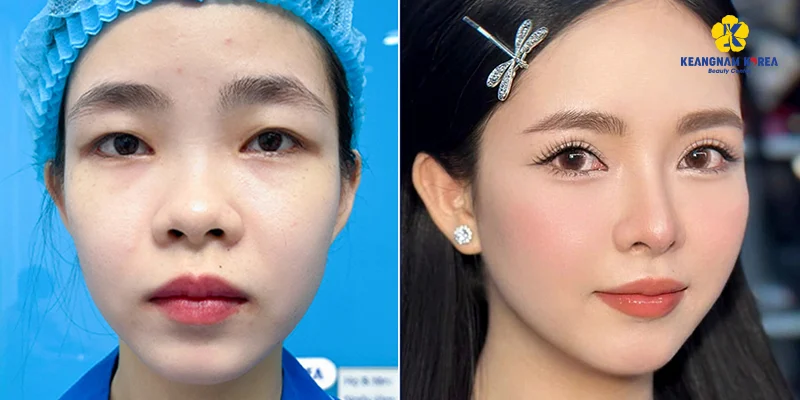
Achieving highly coveted eye shapes like Almond or Phoenix eyes often requires combining crease creation with delicate corner reshaping (canthoplasty) to adjust eye width and outer tail tilt.
| Trending Eye Shape | Desired Aesthetic Traits | Primary Surgical Combination |
| Almond Eyes | Symmetrical oval shape, soft 6–8mm crease, gently upturned outer corners | Double Eyelid Surgery (Incisional/Suture) + Lateral Canthoplasty |
| Phoenix Eyes | Long sweeping crease, elongated eye width, distinct upward outer tail | Incisional Blepharoplasty + Medial Epicanthoplasty + Lateral Canthopexy |
| Open Smiling Eyes | Wide, bright gaze without inner corner skin webbing hiding the caruncle | Medial Epicanthoplasty + Suture/Incisional Crease |
How Surgeons Sculpt Each Trending Eye Shape
- Creating Almond Eyes: Your surgeon sets a parallel or gently tapered double crease while performing a mild Lateral Canthoplasty (outer corner extension) to lift the outer canthus slightly above the inner corner, creating a balanced, almond-like oval symmetry.
- Sculpting Phoenix Eyes: This signature Asian look requires extending the horizontal eye length. The procedure combines Medial Epicanthoplasty to release the inner eye fold (epicanthal fold) with Lateral Canthopexy to anchor and lift the outer eye tail sharply toward the temple, paired with a smooth, sweeping upper crease.
- Achieving Bright Upturned Eyes: To fix a drooping tail or sad expression, surgeons perform a Lateral Canthoplasty with Cantopexy, re-anchoring the outer eye ligament higher onto the lateral orbital rim to deliver a permanently refreshed, naturally upturned gaze.
2026 Cosmetic Eye Surgery Pricing in Ho Chi Minh City
Cosmetic eye procedure costs in Ho Chi Minh City vary based on technique complexity, physician expertise, and facility licensing:
| Surgical Procedure | Price Range (USD) | Price Range (VND) |
| Non-Incisional Suture Crease | $120 – $960 | 3 – 25 Million VND |
| Upper Blepharoplasty (Incisional) | $270 – $1,690 | 7 – 44 Million VND |
| Lower Blepharoplasty & Bag Removal | $200 – $960 | 5.2 – 25 Million VND |
| Ptosis Muscle Correction | $210 – $1,730 | 5.5 – 45 Million VND |
| Canthoplasty (Inner/Outer Corner) | $210 – $960 | 5.5 – 25 Million VND |
| Brow Lift Surgery | $230 – $1,530 | 6 – 40 Million VND |
Personalized Eyelid Shaping at Keangnam Korea
Keangnam Korea Beauty Center (394–396 Cao Thắng, District 10, HCMC; Operating License No. 06303/HCM-GPHĐ) brings over a decade of Korean aesthetic expertise to overseas clients seeking tailored eye transformations.
The center’s signature offering, Perfect Eyes, is a highly personalized protocol designed to correct structural defects like hooding or asymmetry while creating bespoke, trending crease lines tailored to your unique facial geometry. Every procedure integrates Face AI 3D digital simulation to preview crease height and eye symmetry prior to surgery, paired with post-operative Cold Plasma therapy to minimize tissue inflammation and speed up recovery downtime.

Ready to transform your eyelid shape with over a decade of Korean aesthetic mastery? Connect with the clinical team at Keangnam Korea (394–396 Cao Thắng, District 10, HCMC | Hotline: 0911 833 555) today to claim your complimentary Face AI 3D consultation and secure your travel-friendly appointment!
Related reading
RELATED ARTICLES
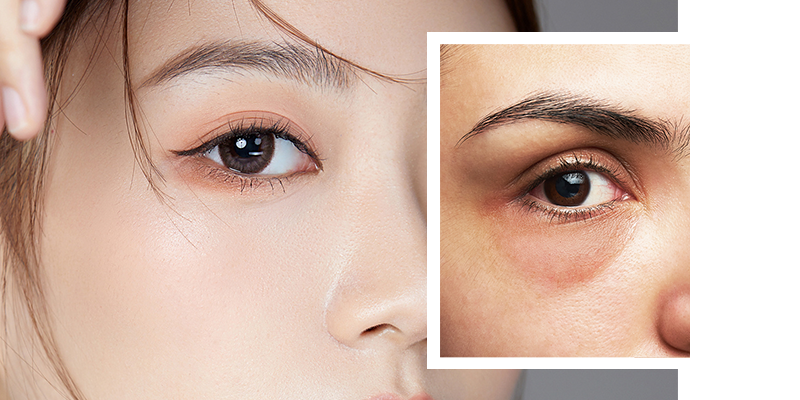
How to Get Rid of Dark Circles Under Eyes: Causes, Home Care, and Clinic Costs
Addressing how to get rid of dark circles under eyes starts with identifying whether the discoloration comes from pigment, blood vessels, a sunken tear trough, or a fat bag shadow. Mild darkness from fatigue or fluid retention improves with sleep,

When Does Lower Blepharoplasty for Dark Circles Work?
Performing lower blepharoplasty for dark circles effectively eliminates darkness caused by structural shadows—such as bulging under-eye fat pads or deep tear troughs—but it cannot alter skin pigmentation or visible blood vessels. In Ho Chi Minh City, Vietnam, lower eyelid surgery

Eyelid Surgery Clinics in Ho Chi Minh City: Clinical Options & 2026 Price List
Top eyelid surgery clinics in Ho Chi Minh City include three primary private facility types: full-service private aesthetic hospitals (such as JW Korean), specialized eye clinics (such as Dr. Eye), and comprehensive aesthetic centers (such as Keangnam Korea). In 2026,

Nose Surgery Recovery Time: Healing Stages and Timeline
Nose surgery recovery time typically requires 1 to 2 weeks before returning to daily work, with 90% of facial swelling resolving within 3 months and the final nasal shape fully settling at 12 months. Overall recovery speed depends directly on

Alarplasty and Rhinoplasty Comparison: Which Procedure Fits Your Nose Shape
Selecting between alarplasty and rhinoplasty depends on whether your lower nose appears wide due to flared soft tissue or a low, unsupported structural bridge. Alarplasty isolates and reshapes the nostril wings at the base, whereas rhinoplasty elevates, straightens, or rebuilds
Nose Wing Reduction: Is Alarplasty Worth It? Pros, Cons, and Recovery Time
A nose wing reduction (alarplasty) is a surgical option for those whose nostril wings are naturally thick, wide, or flared while their nasal bridge height and tip projection already suit their overall facial proportions. This procedure selectively reshapes or excises