Skip to content


What Are Phoenix Eyes? Phoenix Eye Surgery Explained: Who Is It For?
Phoenix eyes are an elongated Asian eye shape with a defined double crease and an outer corner that sweeps gently upward, long prized in East Asian culture as a mark of intelligence and nobility. A combination of full-incision double eyelid surgery and lateral canthoplasty that generally costs 12,600,000 to 39,000,000 VND (about 480 to 1,480 USD) in Vietnam, with most dedicated packages around 20,000,000 VND (about 760 USD).
This guide explains what phoenix eyes are, how the surgery works, and who makes a good candidate.
What Are Phoenix Eyes and Why Are They So Desirable?
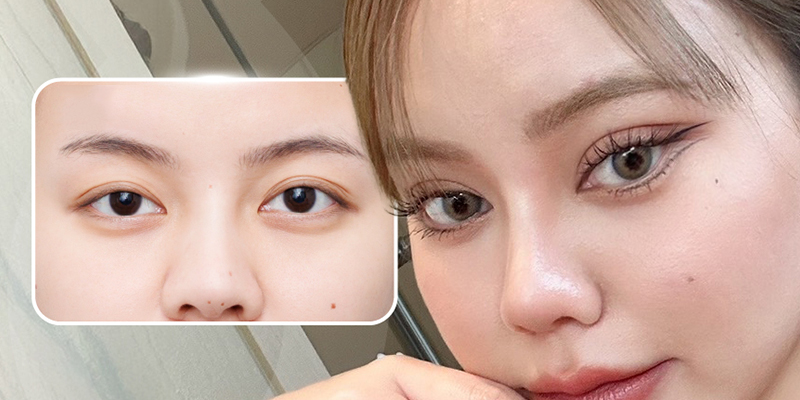
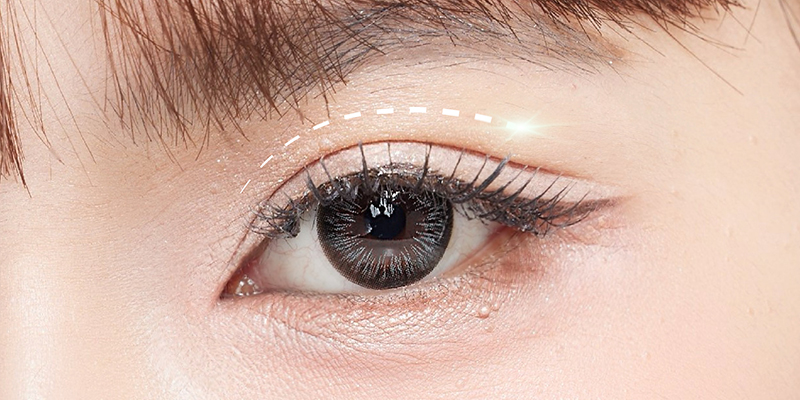
Phoenix eyes are a distinctive eyelid shape inspired by the tail of the mythical phoenix in East Asian art. The defining features are precise: a visibly long horizontal axis, a deep and even double eyelid crease running from the inner corner to the tail, and an outer corner that tapers to a fine point and tilts slightly upward toward the temple. This upturned eyes shape reads as sharp and alert, yet the long crease keeps the gaze soft and elegant rather than fierce.
Natural phoenix eyes are rare. They typically appear in individuals with long eyes, a slightly elevated outer corner, and thin eyelid skin, which is why only an estimated 5 to 8 percent of the population has the shape from birth. Compared with parallel creases or hidden (tapered) creases, the phoenix shape places its visual emphasis at the tail of the eye, creating depth and what is often described as a “speaking gaze.”
Phoenix Eyes Meaning in Culture and Face Reading
Beyond aesthetics, the phoenix eyes meaning runs deep in East Asian physiognomy, where the shape is traditionally linked to intelligence, ambition, refinement, and prosperity. Classical face reading describes men with phoenix eyes as decisive natural leaders and women as charismatic, independent, and fortunate in family life.
These beliefs are cultural rather than scientific, but they explain why the shape remains one of the most requested outcomes in Asian eyelid surgery. Whether the motivation is beauty, confidence, or tradition, the deciding factor should always be how well the shape suits your individual facial structure.
What Is Phoenix Eye Surgery?
Phoenix eye surgery is a cosmetic eyelid procedure that recreates the phoenix shape by reshaping the upper eyelid and the outer corner of the eye. It is not a standard eyelid lift. The result depends on two coordinated techniques performed in a single session.
Phoenix eyelid surgery technique
The commercial name “phoenix eyelid surgery” describes a combination of double eyelid surgery and canthoplasty:
- Full-incision double eyelid surgery: The surgeon makes a fine incision along the upper lid, removes excess skin and fat where present, and anchors a deep, defined crease that runs the full length of the eye. A double-suture fixation technique attaches the skin to the levator muscle or tarsal plate, so the crease appears crisp when the eye opens and lies flat and invisible when it closes.
- Lateral canthoplasty: The surgeon adjusts the ligament at the outer corner of the eye to lengthen the eye horizontally and lift the tail a few degrees upward. This is the step that creates the signature upward sweep and makes the eye look visibly longer.
How the Incision Design Differs From Standard Asian Eyelid Surgery
Conventional asian eyelid surgery draws the crease parallel to the lash line. In phoenix eye surgery, the final third of the incision curves gently upward toward the temple. The lifting vector of this curve is calculated to raise a drooping outer corner, correct a tired or sad expression, and produce a subtle “smiling eye” effect even when the face is fully relaxed.
Executing this curve without overcorrection demands an experienced oculoplastic surgeon, which is why technique and clinic choice matter more here than in a routine crease procedure.
Benefits of Phoenix Eye Surgery
The phoenix technique offers advantages that standard crease surgery cannot match:
- Elevated presence: The gently curved tail projects a poised, sophisticated look, which is why the shape is popular among individuals in media, modeling, and client-facing professions.
- Correction of multiple flaws at once: Widening the outer corner and removing excess tissue makes short, small, or hooded eyes look longer and brighter, and lifts a drooping tail that makes the face read as tired or sad.
- Fully customized design: The length and angle of the tail curve are tailored to your facial proportions, so no two results look identical.
- Long-lasting results: With deep double-suture fixation, results typically hold 5 to 10 years or longer depending on individual anatomy and aging.
Who Is the Ideal Candidate for Phoenix Eye Surgery?
Phoenix eye surgery creates a striking shape, but it is not for everyone. The best candidates share several traits:
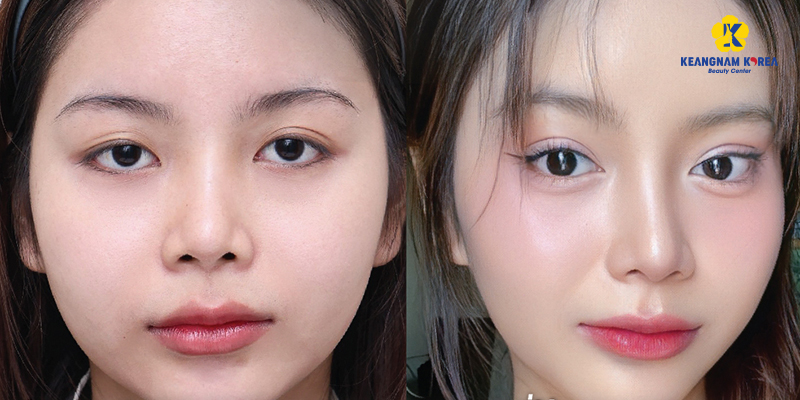
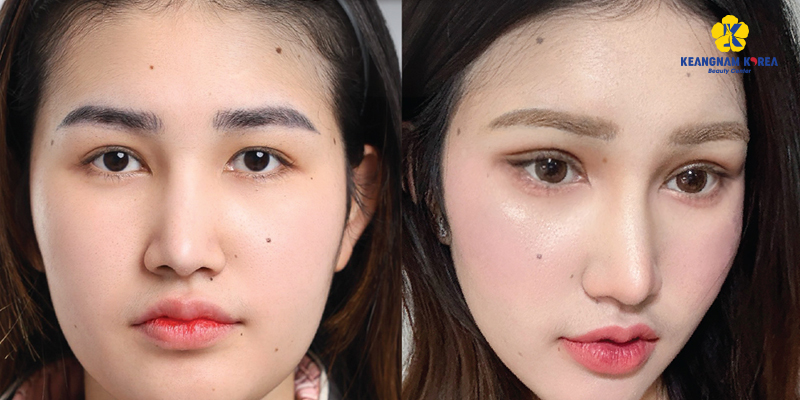
- Individuals with small eyes or undefined creases: Monolids, hidden creases, and horizontally short eyes gain the most, since the technique makes the eye both longer and more open.
- Those who want a bold, expressive look: The upswept tail suits clients in the arts, entertainment, and media, and anyone who prefers a striking rather than understated appearance.
- Balanced facial proportions: The shape harmonizes especially well with oval faces and classic East Asian features such as a high forehead and a slim nose.
- Ages 20 to 40: Younger clients with firm eyelid skin hold the crease best. Older individuals with significant skin laxity may need a complementary lift for an optimal result.
- Drooping outer corners: The lifting vector directly corrects a downturned tail, replacing a tired expression with a brighter, younger gaze.
Conversely, some individuals should reconsider or postpone the procedure:
- Protruding eyes or very large eyes, because an upswept tail can unbalance the eye and create a harsh, staring look.
- A preference for a minimal, natural style, since the phoenix shape is intentionally sharp and dramatic.
- A history of keloid scarring, severe eyelid skin aging, active eye inflammation, severe dry eye, or glaucoma, which require treatment or exclusion first.
BOOK AN EYE CONSULTATION WITH A SURGEON
How Much Does Phoenix Eye Surgery Cost?
Phoenix eye surgery in Vietnam generally costs 12,600,000 to 39,000,000 VND (about 480 to 1,480 USD), with dedicated phoenix packages at major clinics commonly priced around 20,000,000 VND (about 760 USD). Because the procedure combines two techniques, it helps to understand the component pricing:
- Upper double eyelid surgery: 7,000,000 to 44,000,000 VND (about 265 to 1,670 USD) depending on technology tier, from standard incisional techniques to premium plasma and lifetime-warranty packages.
- Lateral canthoplasty cost: 5,600,000 to 25,000,000 VND (about 215 to 950 USD) for outer corner opening or reshaping as a standalone procedure.
*Note: Always verify the clinic’s Ministry of Health license and the surgeon’s credentials.
Recovery and Aftercare to Protect Your Results
Healing after phoenix eyelid surgery follows a predictable timeline, and disciplined aftercare directly shapes the final result:
- Choose a reputable clinic: Prioritize licensed facilities with surgeons who have 10 or more years of eyelid experience and modern technology such as plasma incision systems. Keangnam Korea designs each crease for balance and a natural finish.
- Prepare before surgery: Stop blood-thinning medication such as aspirin at least one week beforehand, avoid alcohol and tobacco, and disclose your full health history and allergies.
- Care for the incision: Keep the eye area clean, avoid rubbing or pressure, and skip swelling-prone foods (seafood, sticky rice, beef, chicken) for 3 to 4 weeks. Hydrate well and rest.
- Protect your eyes: Limit direct sun and screen time for the first 2 weeks, wear sunglasses outdoors, and switch from contact lenses to glasses for at least 2 weeks.
- Keep every follow-up: Return at 5 to 7 days for stitch removal and at 1 month for crease evaluation. Contact your surgeon promptly if swelling persists or anything feels abnormal.
→ Read more: Eyelid Surgery Recovery: What to eat and avoid to heal faster
Phoenix eye surgery recreates one of the most coveted eye shapes in Asian aesthetics, delivering a longer, brighter, and more expressive gaze for those with small eyes or drooping corners. With modern incision design and an experienced surgical team, Keangnam Korea is ready to help you choose the eyelid technique that fits your face.
Call 0911 833 555 for a free consultation.
Who is the ideal candidate for phoenix eye surgery?
Individuals with short or small eyes, monolids or faint creases, or drooping outer corners that make the face look sad or tired benefit most. Firm eyelid skin, typically found between ages 20 and 40, produces the most durable crease.
Does phoenix eye surgery leave scars?
The incision is made ultra-fine and hidden along the lash line and the natural eyelid fold, closed with nano cosmetic sutures. Once fully healed, usually within 3 months, the line fades into the crease and leaves no visible trace.
How long does recovery take?
Stitches are removed after 5 to 7 days, visible swelling resolves within about 2 weeks, and the crease reaches its final stable, natural shape in 1 to 3 months.
How long do phoenix eye surgery results last?
Results typically last 5 to 10 years, and often longer, because the double-suture fixation and canthal adjustment are structural changes. Natural aging continues to affect the eyelids over time.
What is the difference between phoenix eyes and upturned eyes?
Both feature an outer corner that sits higher than the inner corner. Phoenix eyes add a long, deep double crease and a fine, tapered tail, so the look reads as elegant rather than sharp, while a plain upturned eyes shape can appear intense without the softening crease.
Is phoenix eye surgery painful?
The procedure is performed under local anesthesia, so there is no pain during surgery. Mild soreness and tightness in the first 1 to 2 days are managed with prescribed medication and cold compresses.
Can you get phoenix eyes without surgery?
Makeup, eyelid tape, and winged eyeliner can imitate the shape temporarily, and cosmetic eyeliner tattooing offers a semi-permanent outline. Only surgery changes the actual crease and outer corner structure permanently.
RELATED ARTICLES

Collagen Injection vs. Laser for Facial Skin: Cost, Recovery, and Fit
A collagen injection vs laser for aging facial skin, which is better? They are two distinct approaches to facial rejuvenation and do not replace each other. Lasers work from the outside in to correct surface texture and pigment, while injected

Collagen Shots for the Face vs. Mesotherapy: Aging Grades, Cost, and Results
Deciding between collagen shots for the face and mesotherapy comes down to identifying which layer of your skin is experiencing aging. Mesotherapy nourishes the superficial skin layers for quick surface hydration, whereas collagen shots for the face rebuild structural density
How Long Does a Fox Eye Thread Lift Last? Costs, Risks, and Results
A fox eye thread lift is a minimally invasive procedure that uses dissolvable barbed threads to suspend the outer corner of the eye (lateral canthus) and the eyebrow tail toward the temple. By gently pulling these soft tissues upward, the

What Is a Liquid Nose Job? Cost, Longevity and When Do Threads Work Better?
What is a liquid nose job? A liquid nose job (clinically known as liquid rhinoplasty) is a non-surgical procedure that reshapes the nose using precision injections of hyaluronic acid (HA) filler. The treatment takes 10 to 15 minutes, requires zero

Semi-Structural Rhinoplasty for a Low Bridge and Wide Tip: Cost and Recovery
Semi-structural rhinoplasty is a targeted surgical procedure that reshapes specific portions of the nose, typically modifying a broad, rounded tip with autologous cartilage while elevating a slightly low bridge with a biocompatible implant. The procedure takes 45 to 90 minutes
Non-Surgical Rhinoplasty Price in 2026: Cost by Filler and Thread Type
The non-surgical rhinoplasty price in Ho Chi Minh City, Vietnam, ranges from $230 to $1,720 (6 to 45 million VND) per treatment in 2026. The overall cost is determined primarily by the specific material and technique selected: The material used