Skip to content


Epicanthoplasty Scar: Causes, Prevention & Effective Treatments to Restore Flawless Eyes
An epicanthoplasty scar is one of the most common concerns clients face after inner eye corner surgery. Visible scarring not only affects facial aesthetics, it can also chip away at the confidence the procedure was meant to build in the first place.
This guide breaks down why epicanthoplasty scars form, how to prevent them, and the most effective treatments available today to restore smooth, natural-looking inner eye corners.
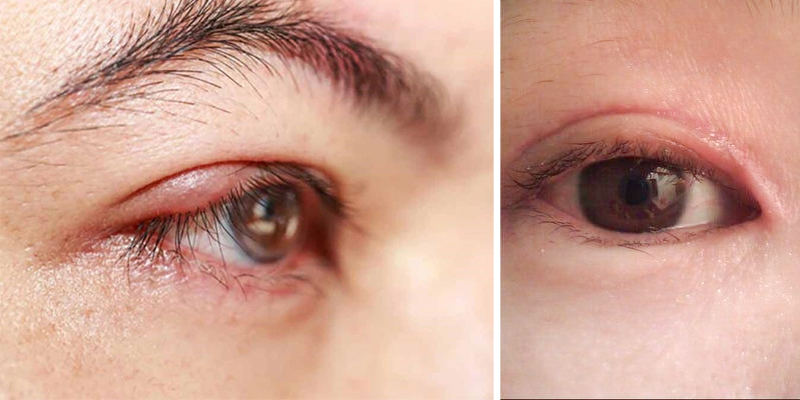
What to Do When You Notice a Scar After Inner Eye Corner Surgery
A faint epicanthoplasty scar during the first few weeks after surgery is a normal part of the recovery process. This procedure involves a small incision at the inner eye corner. Like any surgical incision, the wound progresses through three standard healing stages: inflammation, proliferation, and remodeling.
On average, the scar fades and becomes less noticeable within 2 to 4 weeks. The actual healing timeline depends on individual skin biology and adherence to post-surgery aftercare instructions.
Factors That Cause Permanent Scars
While most scars fade, certain factors can cause an epicanthoplasty scar to become permanent. Long-term scarring typically happens due to specific reasons:
- Substandard Surgical Technique: Procedures performed at unaccredited or low-quality clinics often result in improper incisions.
- Inadequate Aftercare: Failing to protect the wound or missing prescribed scar treatments during the recovery phase.
- Genetic Factors: A natural predisposition to keloid formation or hypertrophic scarring.
When to Seek Professional Intervention
As a general clinical rule, if a prominent scar remains visible after one month, it is time to schedule a follow-up examination. Early evaluation by an experienced specialist improves the success rate of an epicanthoplasty scar revision or non-surgical treatment.
4 Main Causes of Epicanthoplasty Scarring
Understanding the root cause of a scar is the first step toward effective management. Inner eye corner scars typically form due to specific anatomical and lifestyle factors.
1. Genetic Predisposition
Heredity plays a major role in keloid and hypertrophic scar formation. A family history of raised scars increases the risk of long-term marking. Additionally, some individuals naturally overproduce collagen – the protein responsible for tissue repair – leading to thicker, more visible scars at the incision site.
2. Wound Infection
Improper wound care and poor hygiene allow bacteria to enter the healing tissue. The resulting inflammation slows down the recovery process and increases the likelihood of permanent scarring. Even mild, untreated infections can leave behind dark discoloration or uneven skin texture.
3. Post-Surgery Diet
Certain foods can interfere with the healing process, particularly within Asian communities where traditional dietary guidelines are followed. Consuming water spinach, beef, sticky rice, or seafood during the initial recovery weeks can trigger inflammation, prolong healing time, and elevate scar risks:
- Water spinach: Contains Madecassol, which stimulates excessive collagen proliferation, potentially leading to hypertrophic scars.
- Beef: High in protein and iron, which can accelerate dark pigmentation (hyperpigmentation) in thin-skin incision areas like the inner eye corner.
4. Surgical Technique
Procedures performed at unlicensed clinics or by inexperienced practitioners carry the highest risk of complications. Surgical precision at the inner eye corner is critical because the skin in this area is thin, delicate, and highly visible to the naked eye.
How to Prevent Epicanthoplasty Scars? Before & After Surgery Tips
Preventing a scar is more effective than treating one later. Following specific precautions before and after the procedure will help reduce the risk of long-term marking.
Pre-Surgery Preparations
These steps are the foundation for a scar-free recovery:
- Clinic Selection: Select licensed aesthetic clinics that use modern technology and employ experienced surgical teams. A proper consultation should outline the surgical technique, expected results, and individual risk factors.
- Skin Health Optimization: Maintain healthy skin in the weeks leading up to the procedure. Daily cleansing, hydration, and sunscreen with high SPF help the skin repair itself faster. Strong, nourished skin recovers more efficiently after an incision.
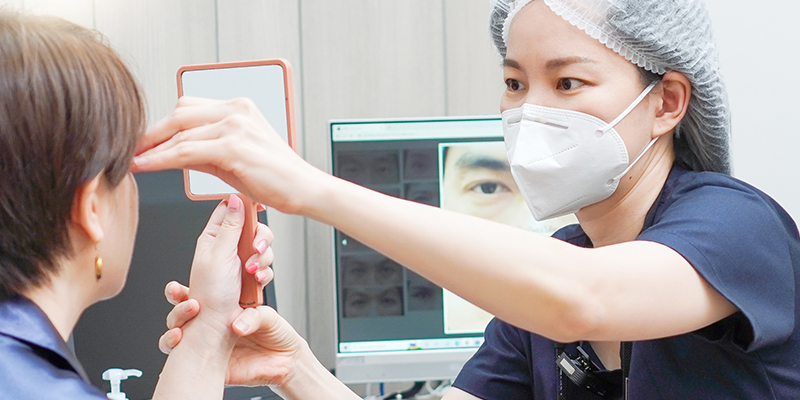
Post-Surgery Cares
Adherence to the aftercare routine provided by the surgeon is critical for wound healing. This protocol focuses on 4 main areas:
- Dietary Restrictions: Avoid foods known to trigger inflammation or elevate scar risks, such as water spinach, beef, sticky rice, and seafood.
- Wound Hygiene: Clean the incision site exactly as instructed to prevent bacterial infection.
- Rest and Recovery: Allow the eye muscles to rest by limiting strain and avoiding strenuous physical activities.
- Medication Compliance: Use all prescribed topical scar treatments and medications according to the schedule provided by the clinic.
Complete Aftercare Guide to Minimize Scarring
Wound Hygiene
Day 1 aftercare: Use a clean cotton swab dipped in sterile saline solution to gently clean the area around the eye, avoiding direct contact with the incision itself.
Subsequent days: Continue daily cleansing with sterile saline. Apply cold compresses to reduce swelling and bruising during the first 48 hours, then switch to warm compresses to accelerate healing.

Eye Protection
The healing tissue at the inner corner is fragile and requires extra protection.
- Avoid Strenuous Activity: Steer clear of any physical activity that may cause impact to the eye area for at least 2 weeks.
- Do Not Rub the Eyes: Even gentle rubbing can disrupt sutures and trigger inflammation that worsens scarring.
- Wear UV-Protection Sunglasses: UV exposure on healing tissue causes hyperpigmentation and can darken the scar permanently.
Diet During Recovery
What you eat directly affects how your scar heals.
- Boost Healing Nutrients: Eat plenty of leafy greens and fresh fruits to supply the vitamins and minerals essential for collagen balance and tissue repair.
- Avoid Scar-Triggering Foods: Beef, seafood, water spinach, and sticky rice should be eliminated from your diet for at least 4 weeks after surgery.
- Stay Properly Hydrated: Adequate water intake helps the body flush toxins and supports immune function during recovery.
Medication
Follow the prescribed treatment plan exactly. Do not self-medicate or skip doses. If any side effects or concerns arise, contact your surgeon immediately rather than adjusting medication on your own.
Additional Precautions
- No Makeup During Recovery: Skip all eye makeup for the period specified by your surgeon to prevent contamination and infection.
- Pause Contact Lens Use: Allow the eyes to fully rest and avoid the irritation that lenses can cause to healing tissue.
- Attend All Follow-Up Appointments: Scheduled check-ups allow your surgeon to monitor healing and make timely adjustments if any complications arise.
Effective Treatments for Existing Epicanthoplasty Scars
Most inner eye corner scars appear within the first 6 to 9 months following surgery and resolve gradually over time. For scars that remain dark, wide, or structurally prominent, several clinical options are available.
Treatment selection depends on scar age, severity, skin type, and individual healing characteristics. A professional examination is required before starting any corrective path.
Below are 5 treatment options available:
Non-Surgical Options for Early Intervention
Non-surgical methods focus on flattening the tissue and reducing discoloration without the need for additional surgery:
- Topical Scar Cream: Medical-grade silicone gels or prescribed scar creams lighten pigmentation and reduce scar size. Consistent daily application over several months provides the most effective outcome for newly formed scars.
- Corticosteroid Injections: Direct injections into the tissue reduce inflammation and flatten hypertrophic or keloid scars by limiting excess collagen production. This treatment typically involves a series of sessions spaced 4 to 6 weeks apart.
- Laser Therapy: Fractional laser technology breaks down dense collagen bonds within the scar, flattening raised areas and addressing skin discoloration. Laser treatment serves as a standard non-surgical approach for persistent epicanthoplasty scars.
Surgical Interventions for Severe Cases
When non-surgical treatments do not yield results, structural corrections may be necessary:
- Surgical Scar Revision: For severe or old scars, a surgeon can perform a scar revision procedure to remove the damaged tissue and re-suture the area cleanly.
- Epicanthoplasty Reversal: This specialized option is reserved for cases where the inner corner was over-cut or distorted, allowing the surgeon to restore a more natural eye shape.
Summary Of Treatment Options For Epicanthoplasty Scars
| Treatment Type | Best For | Expected Timeline |
| Topical Scar Gel | Fresh scars (under 3 months) | 2–6 months of daily use |
| Corticosteroid Injection | Raised hypertrophic/keloid scars | 3–4 sessions (4-week intervals) |
| Fractional Laser | Dark pigmentation & uneven texture | 3–5 sessions |
| Surgical Revision | Mature, distorted, or severe scars | 1 single procedure (6+ months post-op) |
Note: A professional examination is essential before choosing any treatment path.
Learn more at:
Choosing the Right Clinic for Scar Treatment & Revision
The success of any scar treatment depends heavily on the expertise of the surgeon and the technology used. Reputable aesthetic clinics use modern equipment, advanced techniques, and strict sterilization protocols. Experienced surgeons can accurately match the right treatment to your specific scar condition and provide proper post-treatment care guidance.
Where to Get Epicanthoplasty Done Right in Ho Chi Minh City, Vietnam
The management and prevention of post-surgical scarring depend heavily on the integration of advanced surgical closure methods and clinical technology. Modern aesthetic medicine utilizes specific protocols to control tissue trauma and accelerate the remodeling phase.
At licensed aesthetic facilities, such as Keangnam Korea, scar minimization is approached through targeted technical interventions:
- Micro-Suture Techniques: The application of ultra-fine suturing methods (such as the Bernastitch technique) reduces tension along the incision lines at the inner eye corner. Minimizing mechanical stress on the delicate skin tissue significantly lowers the risk of hypertrophic scar formation.
- Accelerated Tissue Recovery: The integration of Cold Plasma therapy immediately post-surgery works to eliminate surface bacteria, reduce the inflammatory phase, and stimulate cellular repair without thermal damage. This clinical approach shortens the initial healing timeline.
- Anatomical Alignment: Advanced surgical planning focuses on positioning incisions along the natural vectors and folds of the eye, ensuring that the final healed tissue integrates seamlessly with facial features without visible distortion.
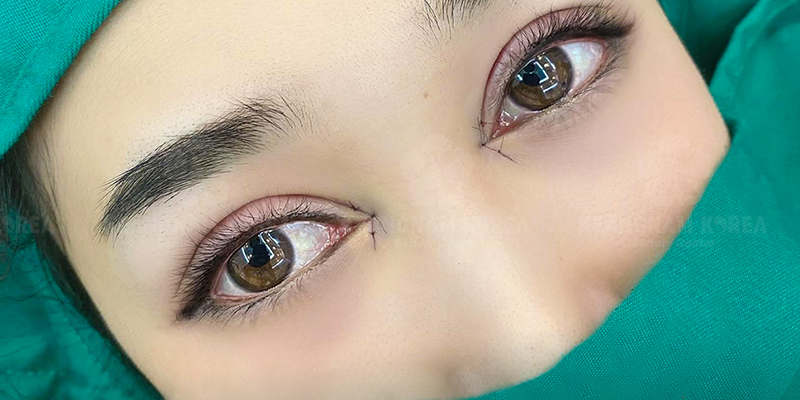
For individuals experiencing persistent or mature epicanthoplasty scarring, a professional clinical assessment is required to determine the appropriate therapeutic path, whether through conservative non-surgical modalities or structural scar revision.
Clinical consultations and personalized scar evaluations can be coordinated through established medical hotlines (0911 833 555) to ensure safety and procedural efficacy.
RELATED ARTICLES

Alarplasty and Rhinoplasty Comparison: Which Procedure Fits Your Nose Shape
Selecting between alarplasty and rhinoplasty depends on whether your lower nose appears wide due to flared soft tissue or a low, unsupported structural bridge. Alarplasty isolates and reshapes the nostril wings at the base, whereas rhinoplasty elevates, straightens, or rebuilds
Nose Wing Reduction: Is Alarplasty Worth It? Pros, Cons, and Recovery Time
A nose wing reduction (alarplasty) is a surgical option for those whose nostril wings are naturally thick, wide, or flared while their nasal bridge height and tip projection already suit their overall facial proportions. This procedure selectively reshapes or excises

Alar Base Reduction Technique: Rolling vs. Excision Comparison
An alar base reduction technique narrows flared or wide nostrils by either folding the nostril rim inward with internal sutures or excising a targeted strip of tissue. In Ho Chi Minh City, Vietnam, plastic surgeons perform four main surgical variations
Top 5 Rhinoplasty Clinics in Ho Chi Minh
Rhinoplasty clinics in Ho Chi Minh City offer safe cosmetic nose surgery: Gangwhoo Aesthetic Hospital, JW Korean Aesthetic Hospital, Kangnam Aesthetic Hospital, Thu Cúc Aesthetic Hospital, and Keangnam Korea. In 2026, market rates for cosmetic nose surgery across these facilities

Collagen Injection vs. Laser for Facial Skin: Cost, Recovery, and Fit
A collagen injection vs laser for aging facial skin, which is better? They are two distinct approaches to facial rejuvenation and do not replace each other. Lasers work from the outside in to correct surface texture and pigment, while injected

Collagen Shots for the Face vs. Mesotherapy: Aging Grades, Cost, and Results
Deciding between collagen shots for the face and mesotherapy comes down to identifying which layer of your skin is experiencing aging. Mesotherapy nourishes the superficial skin layers for quick surface hydration, whereas collagen shots for the face rebuild structural density