Skip to content

Rhinoplasty Aftercare: Recovery Guide on Foods, Sleep & Healing Timeline
What you eat, how you sleep, and how you move in the days after rhinoplasty directly determine whether your new nose heals beautifully or develops complications. The first month is the make-or-break window where careful aftercare protects every detail of the surgical work.
This guide covers everything you need to know about rhinoplasty aftercare and what to strictly avoid to keep your nose shape perfectly intact.
Rhinoplasty Swelling Timeline & What To Expect
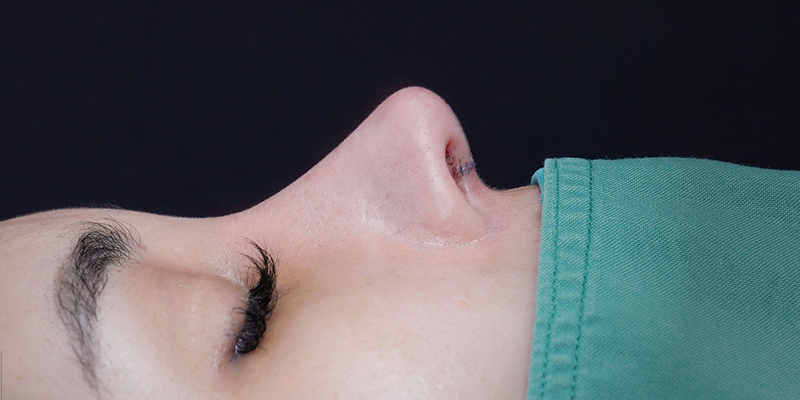
A full recovery after rhinoplasty typically takes anywhere from 10 days to 1 month for visible healing, with final tip refinement continuing for up to a year. Understanding the post rhinoplasty swelling timeline helps set realistic expectations.
- Days 1 to 10: This is the most uncomfortable phase. Expect noticeable swelling around the nose and under the eyes, bruising, congestion, difficulty breathing through the nose, and possible mild drainage. Most of the obvious swelling subsides by the 10-day mark.
- Weeks 2 to 4: External swelling drops significantly, and bruising fades. You begin to see the new nose shape, though residual swelling at the tip remains.
- Months 1 to 12: Tip swelling after rhinoplasty timeline extends the longest. The nasal tip is the slowest area to fully refine, with subtle changes continuing for up to 12 months as deep tissues settle. Final results emerge around the 1-year mark.
Patience and disciplined aftercare during this window directly shape your final outcome.
What to Avoid in the First 10 Days After Rhinoplasty
This early phase is when the wound is freshest and the nasal structure is at its most vulnerable. Strict precautions are essential regardless of the rhinoplasty technique used (cartilage rhinoplasty, S-line, L-line, or structural rhinoplasty).
- Avoid Intense Physical Activity: Strenuous exercise creates pressure that can damage the nasal tissue, increasing bleeding and swelling risk. Skip running, weightlifting, and high-intensity training for at least 2 weeks. Light walking can resume after the first week, but any activity that causes sweating must wait, since sweating triggers nasal swelling.
- Do Not Touch or Press the Nose: Touching the surgical area can introduce bacteria, cause irritation, and even lead to infection that delays healing. The nose is splinted or bandaged for the first several days to protect the new shape. Never remove or adjust these supports without your surgeon’s approval. This rule applies even more strictly to complex procedures like structural rhinoplasty, where the new framework needs additional time to stabilize.
- Avoid Spicy, Hot, or Allergenic Foods: These can trigger inflammation, raise body temperature, and worsen swelling at the surgical site.
- No Saunas, Steam Rooms, or Hot Showers: High heat increases blood flow to the nasal area, intensifying swelling and slowing healing.
- No Alcohol or Smoking: Both substances impair circulation and dramatically reduce the body’s ability to heal incisions cleanly.
- Sleep on Your Back with Your Head Elevated: Side or stomach sleeping puts uneven pressure on the nose, can distort the new shape, and increases swelling. Keep your head elevated on pillows and sleep on your back for at least 15 to 20 days. This is the golden window for protecting your surgical results.
What to Avoid in the First Month
This phase usually starts after sutures are removed (typically 7 to 10 days post-surgery). While the worst discomfort fades, several restrictions still apply.
- Continue Earlier Restrictions: Vigorous exercise, sweating, side or stomach sleeping, hard-to-digest spicy foods, alcohol, and tobacco are all still off-limits.
- Do Not Wear Glasses: Frames rest directly on the nose bridge and create pressure that can distort the new shape and ruin the final result. Contact lenses are the safer option. Clients with severe myopia are generally advised against rhinoplasty for this reason.
- Avoid Direct Sun Exposure: UV rays increase swelling, darken healing skin, and can leave permanent pigmentation on freshly healed tissue. Wear a wide-brimmed hat and high-SPF sunscreen whenever outdoors.
Each recovery journey is unique, so always follow the specific aftercare protocol your surgeon prescribes for your case.

What to Avoid After One Month
By this point, most clients feel pain-free and see significant healing progress. Activity can gradually intensify, but the nose still needs careful protection.
- Avoid Stomach Sleeping and Limit Side Sleeping: Uneven pressure on either side of the nose can still affect the final shape. Avoid very high pillows that bend the neck and head into awkward angles.
- No Massage or Pressing on the Nose: Even gentle massage can shift internal structures and compromise the surgical outcome.
- Be Cautious with Eyewear: Heavy or poorly fitted glasses can still alter the nose shape during this window.
- Continue Diet Restrictions for at Least Another Month: Certain foods can still trigger scarring or inflammation even at this stage.
What to Eat After Rhinoplasty
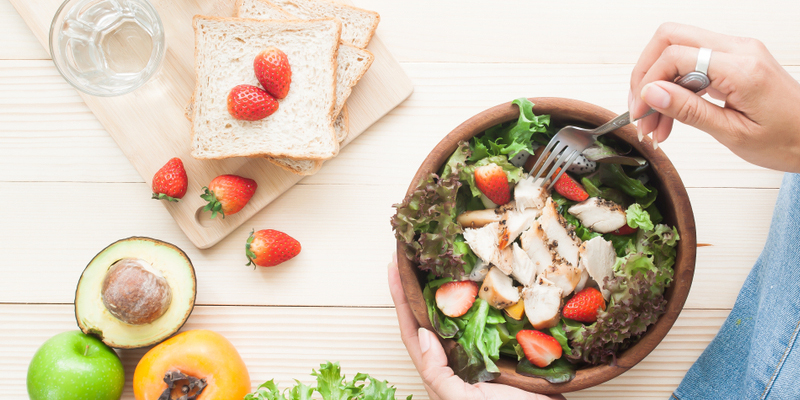
Recovery requires more than rest and medication. The right nutrients accelerate healing, reduce inflammation, and support tissue repair. Knowing what to eat after nose surgery is just as important as knowing what to avoid.
What to Eat on the First Day After Rhinoplasty
On the day of surgery, you will typically be required to fast for 12 hours. This allows the stomach to rest while anesthesia wears off and gives the freshly sutured nasal tissues time to begin healing. Clear liquids are usually permitted depending on your surgeon’s instructions.
After the 12-hour mark, light, stomach-friendly foods are ideal. Avoid anything that may trigger nausea, and skip foods that are extremely hot or cold. Lukewarm rice porridge or oatmeal are excellent first meals because they restore energy without taxing the digestive system.
What to Eat in the First Week After Rhinoplasty
The nose is likely congested during the first week, which makes eating less comfortable than usual. Avoid foods that increase mucus production or worsen congestion, particularly hot soups and spicy dishes.
Soft, easy-to-chew foods are the best choice. Vegetable or meat-based broths, mashed potatoes, soft pasta, salads, and tender meats that require minimal chewing all work well. Hydration is essential during this period, so drink plenty of water. Skip caffeinated drinks like coffee, tea, and soda, as caffeine causes dehydration that slows healing.
Best Food After Rhinoplasty In First Month
The following foods actively support tissue repair and reduce inflammation throughout the first month of recovery.
- Lean Protein for Tissue Repair: Protein is the primary building block your body uses to rebuild surgical tissue. Excellent sources include chicken, turkey, salmon, tuna, soybeans, black beans, lentils, and tofu.
- Soft Fruits and Colorful Vegetables: These deliver vitamins, minerals, and antioxidants that reduce inflammation and speed recovery. Reach for strawberries, oranges, kiwi, blueberries, spinach, kale, broccoli, and bell peppers.
- Healthy Fats for Anti-Inflammatory Support: Avocado, chia seeds, flaxseeds, and olive oil supply essential fatty acids that calm inflammation and support overall recovery.
- Vitamin C-Rich Foods for Collagen Production: Vitamin C is critical for collagen formation and wound healing. Citrus fruits, kiwi, strawberries, and bell peppers are the top sources.
Foods to Avoid After Rhinoplasty
A strict 1 to 2 month diet protocol prevents unexpected complications and protects your results. The following foods should be off the menu no matter how strong the craving.
- Spicy Foods: Chili, curry, and other spicy dishes irritate the nasal lining, raise blood pressure, trigger sneezing, and worsen swelling.
- Extremely Hot or Cold Foods: Healing nasal tissue is highly sensitive to temperature extremes. Skip ice cream and frozen treats, and let hot soups cool slightly before eating.
- Salty Foods and Heavily Seasoned Dishes: Excess salt causes water retention that worsens nasal tissue swelling. Avoid canned foods, smoked meats, chips, salty cheeses, and other high-sodium snacks.
- Hard or Chewy Foods: Repeated jaw movement during the first week increases nasal swelling, and foods that are difficult to swallow are uncomfortable when the nose is congested. Avoid chewing gum, hard candy, raw vegetables like carrots, steak, nuts, hard biscuits, and dried meats.
According to traditional Asian healing principles, certain foods also affect scar quality and aesthetic outcomes.
- Beef: Can cause hypertrophic scarring and uneven skin tone. Most clients should avoid beef for at least 1 month or until full recovery.
- Seafood: Crab, shrimp, squid, oysters, and jellyfish can cause itching, drainage, and worsen the surgical wound.
- Water Spinach: Linked to raised, keloid-like scarring.
- Sticky Rice and Glutinous Dishes: Associated with increased infection risk.
How to Sleep After Rhinoplasty
Sleep position has a direct impact on your final nose shape. The safest sleeping approach during the first 3 weeks involves several specific habits.
- Sleep on Your Back Only: Side or stomach sleeping creates uneven pressure that can distort the nose and increase swelling.
- Elevate Your Head 30 to 45 Degrees: Use 2 or 3 pillows or a wedge pillow to keep your head higher than your heart, which reduces swelling and improves drainage.
- Use Travel Neck Pillows for Support: A U-shaped pillow around the neck prevents your head from rolling sideways during sleep.
- Avoid Excessively High Pillows After the First Month: Once you transition back to normal sleeping, avoid awkward neck angles that strain the area.
Frequently Asked Questions About Rhinoplasty Aftercare
The following are the most common food-related questions clients ask during recovery.
- Can You Drink Coconut Water After Rhinoplasty: Coconut water and pennywort juice should be avoided immediately after surgery because traditional Eastern medicine classifies them as “cold” drinks that can interfere with wound healing. Plain water and vitamin C-rich juices like pineapple or orange juice are much better alternatives.
- Can You Drink Milk Tea After Rhinoplasty: No. Milk tea contains high amounts of sugar and unhealthy fats that delay healing. Sugar promotes inflammation, and tea is mildly dehydrating, which works against your recovery needs.
- Can You Eat Corn After Rhinoplasty: Only off-the-cob corn is safe. Gnawing corn on the cob applies pressure to the nose area and risks disrupting healing.
- Can You Eat Instant Noodles After Rhinoplasty: No. Instant noodles are typically spicy, salty, and high in sodium, all of which worsen swelling and slow recovery.
- Can You Eat Eggs After Rhinoplasty: Most experts recommend avoiding eggs for at least 3 to 4 weeks, as they may cause itching at the surgical site.
- Can You Eat Frog After Rhinoplasty: Frog meat should be completely avoided until full recovery due to the risk of infection.
- Can You Eat Snails After Rhinoplasty: No. Snails can trigger irritation and infection, and they are considered a “cold” food that is poor for post-surgical healing.
Learn more at:
- Male Rhinoplasty: How to Choose the Right Nose Shape for Your Face
- Rhinoplasty service at Keangnam Korea
If you’re preparing for rhinoplasty or want personalized recovery guidance for your case, a free consultation is the perfect starting point. At Keangnam Korea, we’re here to walk with you from your first question all the way to your final beautiful result.
For free expert advice and a personalized recovery plan, reach out via hotline 0911 833 555.
RELATED ARTICLES

Alarplasty and Rhinoplasty Comparison: Which Procedure Fits Your Nose Shape
Selecting between alarplasty and rhinoplasty depends on whether your lower nose appears wide due to flared soft tissue or a low, unsupported structural bridge. Alarplasty isolates and reshapes the nostril wings at the base, whereas rhinoplasty elevates, straightens, or rebuilds
Nose Wing Reduction: Is Alarplasty Worth It? Pros, Cons, and Recovery Time
A nose wing reduction (alarplasty) is a surgical option for those whose nostril wings are naturally thick, wide, or flared while their nasal bridge height and tip projection already suit their overall facial proportions. This procedure selectively reshapes or excises

Alar Base Reduction Technique: Rolling vs. Excision Comparison
An alar base reduction technique narrows flared or wide nostrils by either folding the nostril rim inward with internal sutures or excising a targeted strip of tissue. In Ho Chi Minh City, Vietnam, plastic surgeons perform four main surgical variations
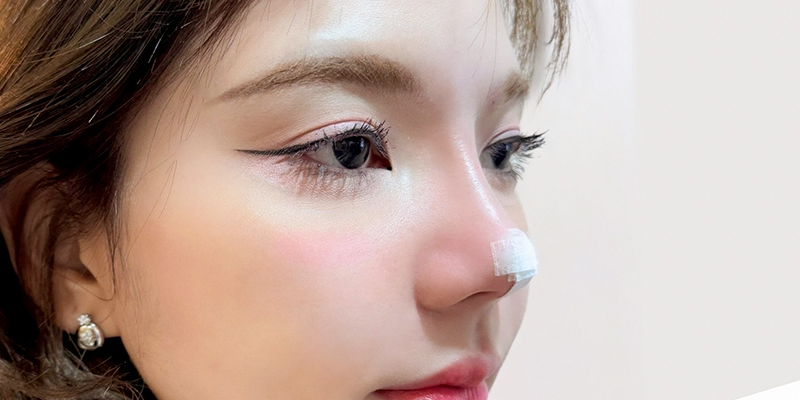
Top 5 Rhinoplasty Clinics in Ho Chi Minh
Rhinoplasty clinics in Ho Chi Minh City offer safe cosmetic nose surgery: Gangwhoo Aesthetic Hospital, JW Korean Aesthetic Hospital, Kangnam Aesthetic Hospital, Thu Cúc Aesthetic Hospital, and Keangnam Korea. In 2026, market rates for cosmetic nose surgery across these facilities
Collagen Injection vs. Laser for Facial Skin: Cost, Recovery, and Fit
A collagen injection vs laser for aging facial skin, which is better? They are two distinct approaches to facial rejuvenation and do not replace each other. Lasers work from the outside in to correct surface texture and pigment, while injected
Collagen Shots for the Face vs. Mesotherapy: Aging Grades, Cost, and Results
Deciding between collagen shots for the face and mesotherapy comes down to identifying which layer of your skin is experiencing aging. Mesotherapy nourishes the superficial skin layers for quick surface hydration, whereas collagen shots for the face rebuild structural density