Skip to content


Rhinoplasty Implants: Cartilage Types, Cost, and Safety in 2026
Rhinoplasty implant costs from 10,000,000 VND for a basic silicone implant to 150,000,000 VND or more for autologous rib cartilage (about $390 to $5,900+). Synthetic implants like silicone, Gore-Tex, and Surgiform are cheaper and faster; your own ear, septal, or rib cartilage costs more but carries the lowest rejection risk. The right material depends on your skin, your tip, and whether you have been operated on before.
This guide compares every implant and cartilage type used in 2026: what each is made of, how well your body tolerates it, how long it lasts, and what it costs in Ho Chi Minh City.

Types of Rhinoplasty Implants and Cartilage
Nose-shaping materials fall into two families: synthetic implants made in a lab and autologous cartilage harvested from your own body. Almost every rhinoplasty uses one, the other, or a deliberate combination of both, and knowing which family you are paying for is the first step to reading a quote honestly.
- Synthetic implants are manufactured materials shaped into a bridge support. They are ready to use, require no second surgical site, and keep operating time short. Silicone, expanded PTFE (Gore-Tex), and Surgiform all belong here.
- Autologous cartilage is tissue taken from your own ear, nasal septum, or rib. Because it is your own living tissue, your body does not treat it as foreign, which is why it is the gold standard for the nasal tip and for any nose that has to be rebuilt. The trade-off is a second harvest site and a longer, more skill-intensive operation.
| Family | Types of cartilage | Used mainly for | Relative cost |
| Synthetic implants | Silicone, Gore-Tex (ePTFE), Surgiform, 3D custom implant | Building up the bridge | Low to high |
| Autologous cartilage | Ear, septal, rib cartilage | Tip support, structural rebuild, revision | Mid to highest |
In practice, modern rhinoplasty rarely relies on a single material. A typical structural nose combines a biological bridge implant with the patient’s own cartilage at the tip – pairing the strengths of both families while limiting the weaknesses of each.
Types Of Cartilage In Rhinoplasty
1. Synthetic Cartilage: Silicone vs Gore-Tex vs Surgiform
Among synthetic implants, silicone is the cheapest and firmest, Gore-Tex is softer and integrates with tissue, and Surgiform is a premium porous material that behaves closest to your own cartilage. All three build up the bridge; they differ in how your tissue responds to them over the years.
- Silicone is a smooth, solid implant that has been used for decades. It is affordable, easy to shape, and gives a clean, high bridge. Its limitation is that the body walls it off in a capsule rather than bonding to it, so over time a silicone implant can shift, show its outline under thin skin, or trigger capsule tightening — risks that rise the higher and harder the implant is.
- Gore-Tex (expanded PTFE) is a soft, porous implant that tissue can grow into. That ingrowth holds it in place and gives a more natural feel and a lower shifting risk than silicone. It is more expensive, slightly harder to remove if revision is ever needed, and demands a sterile technique because its pores must stay clean during placement.
- Surgiform is a high-density, fully porous ePTFE implant — the same material family as Gore-Tex but engineered for stronger tissue integration. It resists movement and contracture, suits thin-skinned noses where silicone would show, and is often described as the synthetic that comes closest to autologous cartilage. It sits at the top of the synthetic price range because it is imported and material costs are high.
| Criterion | Silicone | Gore-Tex (ePTFE) | Surgiform |
| Material | Solid medical silicone | Soft porous ePTFE | High-density porous ePTFE |
| Biocompatibility | Moderate (encapsulated) | High (tissue ingrowth) | Very high (strong integration) |
| Risk of shifting / contracture | Higher | Low | Lowest among synthetics |
| Feel under thin skin | Can show outline | Natural | Most natural |
| Price range (VND) | 10,000,000 – 25,000,000 | part of 30,000,000 – 60,000,000 structural work | part of 30,000,000 – 60,000,000 structural work |
*Important note: Gore-Tex and Surgiform are almost never sold as a standalone “bridge only” line item the way silicone is. They are used as the bridge component inside a full structural procedure, which is why their cost appears bundled into the structural price band rather than as a cheap one-off.
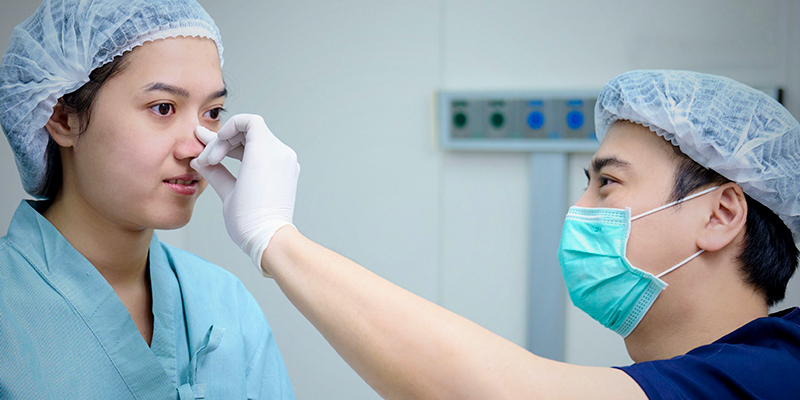
2. Autologous Cartilage: Ear, Septal, and Rib
Autologous cartilage — tissue from your own ear, septum, or rib — is the safest graft material because your body cannot reject it, and it is essential anywhere the nose needs living structural support. The three sources are not interchangeable; each has a job it does best.
- Ear cartilage is soft and gently curved, which makes it ideal for wrapping and protecting the nasal tip. It is the most common autologous graft because the tip is where a bare implant most often causes trouble — redness, thinning, or a visible point pressing on the skin. Harvesting leaves a hidden scar behind the ear and does not change the ear’s shape.
- Septal cartilage comes from the wall inside your nose. It is straight and firm, which makes it the preferred support graft for lengthening a short nose or strengthening the central column. Because it is taken from within the nose itself, there is no external harvest site — but the amount available is limited, so it is often combined with other material.
- Rib cartilage is the strongest and most abundant source, taken from the lower rib. It can rebuild an entire bridge and tip from natural tissue, which is why it is reserved for revision cases, severely deficient noses, and congenital deformities where no implant can give a stable result. It is the most demanding to harvest and carve, and it carries the highest price for that reason.
In summary:
- Ear cartilage: soft tip protection and refinement.
- Septal cartilage: straight, firm central support and lengthening.
- Rib cartilage: full structural reconstruction from your own tissue.
The reason surgeons reach for autologous cartilage despite the extra work is durability and safety: living tissue integrates permanently and effectively removes the long-term rejection and extrusion risk that haunts a poorly chosen implant.
How Much Do Different Rhinoplasty Materials Cost in 2026?
The cost of cartilage implants in Ho Chi Minh City ranges from about 10,000,000 VND for a silicone implant to 150,000,000 VND or more for a full rib-cartilage rebuild (~$390–$5,900+), with biological implants and combined cartilage work in between. The matrix below pairs each material with its typical cost and how long the result holds.
| Material | Cost (VND) | Approx. USD | Longevity |
| Silicone implant (bridge only) | 10,000,000 – 25,000,000 | ~$390 – $980 | Long-term, but higher shift/contracture risk over years |
| Ear cartilage (tip wrap, with implant) | 15,000,000 – 25,000,000 | ~$590 – $980 | Permanent integration of the cartilage graft |
| Biological implant — Gore-Tex / Surgiform / Pureform (structural) | 30,000,000 – 60,000,000 | ~$1,180 – $2,350 | Semi-permanent; tissue integrates and stabilizes it |
| 3D custom-designed implant | 65,000,000 – 90,000,000 | ~$2,550 – $3,530 | Long-term; shaped to your exact anatomy |
| Rib cartilage (full autologous rebuild) | 70,000,000 – 150,000,000+ | ~$2,750 – $5,900+ | Permanent — your own living tissue |
Two patterns explain this spread:
First, autologous rib cartilage is the most expensive material not because the tissue costs money but because harvesting and hand-carving it is the most technically demanding work in the whole field, and it is usually the only option that delivers a stable result in a damaged nose.
Second, silicone is the cheapest because it is mass-produced and placed in minutes — its low price reflects a narrow job, not a bargain on a complex one.
A realistic budget is rarely a single material. Most structural noses pair a biological bridge implant with ear or septal cartilage at the tip, so the final figure lands in the combined band rather than at any one row above.
→ For the full price breakdown by surgical technique see our 2026 rhinoplasty cost guide
Synthetic Implants vs Autologous Cartilage: Which Is Right for You?
Synthetic implants make sense for building up a healthy, never-operated bridge; autologous cartilage is the better choice for the tip, for thin skin, and for any nose being rebuilt or revised. The decision is rarely “one or the other” — it is which material does which job in your specific nose.
Synthetic implants win on cost, predictability, and operating time. For a first-time patient with thick skin and a well-shaped tip who simply wants a higher bridge, a quality implant is efficient and effective. The risk profile rises when an implant is asked to do too much: a tall silicone bridge under thin skin, or an implant placed at the tip where pressure points concentrate.
Autologous cartilage wins on biocompatibility and longevity. Because it is your own tissue, the rejection and extrusion risk drops close to zero, which is exactly what a fragile, thin-skinned, or previously operated nose needs. The cost is a second harvest site and a longer operation that demands an experienced surgeon.
| Factor | Synthetic implants | Autologous cartilage |
| Rejection risk | Low but not zero (extrusion, capsule) | Lowest — your own tissue |
| Cost | Lower to mid | Mid to highest |
| Operating time | Shorter (no harvest) | Longer (harvest site) |
| Best for | Healthy bridge, thick skin, first-time | Tip support, thin skin, revision |
| Durability | Long-term, material-dependent | Permanent |
The honest takeaway is that the best results usually combine both: a biological implant for clean bridge height, and your own cartilage where the nose needs living, forgiving support. A surgeon who insists on a single material for every patient is working around a limitation, not designing for your nose.


What Makes One Cartilage Cost More Than Another?
Material price is set by three things: where it comes from, how much it integrates with your tissue, and how much surgical skill it takes to place. Understanding these lets you judge whether a higher quote reflects a better material or just a bigger margin.
The first driver is sourcing and engineering. Standard silicone is mass-produced and inexpensive. High-grade ePTFE implants such as Surgiform and Pureform are imported and engineered for tissue ingrowth, which is why they cost several times more. A 3D custom implant adds the cost of scanning and machining a shape to your exact anatomy.
The second driver is integration and durability. Materials that bond with your tissue — porous biological implants and, above all, your own cartilage — resist the shifting and contracture that force a revision later. You are paying more upfront for a result that is less likely to need fixing.
The third driver is harvest and carving labor. Autologous cartilage carries no purchase price, yet it is the most expensive route because taking rib cartilage and shaping it by hand into a stable framework is the most demanding work a nose surgeon does. The cost lives in the operating room, not the supply invoice.
This is why the cheapest material is rarely the cheapest outcome. A silicone bridge that shifts or shows under thin skin in three years can lead to a revision that costs many times the original saving.
Which Cartilage Is Safest?
The safest nose materials are autologous cartilage and high-grade biological implants, with body-tolerance rates commonly cited at 95–99%, while standard silicone carries a higher long-term risk of capsule formation and extrusion. Safety here means how your body lives with the material over years, not just whether the surgery goes smoothly on the day.
Rejection in rhinoplasty rarely means a dramatic, immediate reaction. It usually shows up slowly: the body forms a tight capsule around a silicone implant and squeezes it out of position, or thin tip skin thins further under constant pressure until the implant threatens to surface. The denser and more porous a synthetic material is, the more your tissue grows into it and the lower this risk becomes — which is the entire case for Gore-Tex and Surgiform over plain silicone.
Autologous cartilage sidesteps the problem almost entirely, because your immune system does not flag your own tissue as foreign. That is why every credible plan for a thin-skinned, revised, or structurally weak nose puts living cartilage at the tip and the load-bearing points.
- Highest tolerance: your own rib, septal, or ear cartilage.
- Very high tolerance: porous biological implants (Surgiform, Gore-Tex) that integrate with tissue.
- Moderate tolerance: standard silicone, which is encapsulated rather than integrated.
The decisive safety factor is still the match between material and your own tissue — a point only an in-person assessment can settle.
How Surgeons Match Cartilage to Your Nose
The right material is chosen at the consultation based on your skin thickness, tip condition, and surgical history. A careful surgeon grades the nose before naming a material, which is why two patients with the same wish list can be quoted with very different plans.
Surgeons generally read the situation across four levels:
- Level 1 — healthy bridge, thick skin, good tip. A quality implant alone can lift the bridge safely; cartilage may be unnecessary.
- Level 2 — low bridge, slightly weak or exposed tip. An implant for the bridge plus ear cartilage to protect the tip is the standard pairing.
- Level 3 — short, upturned, or poorly defined nose. A full structural plan combining a biological implant with septal or ear cartilage is needed to rebuild shape and support.
- Level 4 — thin skin, revision, or severe deficiency. Autologous rib cartilage becomes the safest route, because implants cannot give a stable result on damaged or fragile tissue.
The thinner your skin and the more your nose has already been through, the further you sit toward natural cartilage. A clinic that quotes a single material before examining your skin and tip is selling a product, not planning a result.
→ Choosing between a partial and a full rebuild? Compare structural vs semi-structural rhinoplasty.
Rhinoplasty Implant at Keangnam Korea
Keangnam Korea selects nose material by examining your skin, tip, and history first, then matching the implant or cartilage to what your nose can safely carry. Every implant and cartilage graft used is medically certified with a clear origin, and the plan is built around long-term stability rather than the cheapest line item.
Face AI Pro simulation lets you preview the projected result before any decision, so the choice of material and shape is agreed with your surgeon rather than handed to you. Surgery is performed by an experienced team in a sterile, international-standard operating room, with close post-operative follow-up and a written warranty on the result.
→ Explore the full rhinoplasty service at Keangnam Korea.

Book a free 1:1 consultation with a Keangnam Korea surgeon to find out which material actually fits your nose — and to get a fixed quote with no cost beyond the price you are given.
What is the safest implant for a nose job?
The safest options are your own autologous cartilage (rib, septal, or ear) and high-grade biological implants such as Surgiform, which carry body-tolerance rates commonly cited at 95–99%. Your own tissue cannot be rejected, while porous biological implants integrate with tissue rather than being walled off the way standard silicone is.
Can a silicone cartilage implant last a lifetime?
It can, if your tissue tolerates it well and the surgery is done correctly with an appropriately sized implant. In practice, though, silicone is walled off in a capsule rather than bonded to your tissue, so over many years it carries a higher risk of shifting, showing under thin skin, or capsule tightening than autologous cartilage, which integrates permanently.
Is Surgiform better than silicone cartilage?
For thin-skinned noses and structural work, generally yes. Surgiform is a porous ePTFE implant that tissue grows into, so it resists movement and shows under the skin far less than solid silicone. It costs more because it is imported and is usually used inside a full structural procedure rather than as a cheap standalone bridge.
Why is rib cartilage rhinoplasty the most expensive?
The cartilage itself has no purchase price, but harvesting it from your rib and hand-carving it into a stable framework is the most technically demanding work in rhinoplasty. It is reserved for revisions and severely deficient noses, which is why rib-cartilage cases run 70,000,000–150,000,000 VND or more (~$2,750–$5,900+).
Do I need cartilage, or is an implant enough?
It depends on your tip and skin. A healthy bridge with thick skin and a good tip can often be raised with an implant alone. A weak, exposed, thin-skinned, or previously operated tip almost always needs your own cartilage for protection and stable support — which is decided at an
RELATED ARTICLES

Alarplasty and Rhinoplasty Comparison: Which Procedure Fits Your Nose Shape
Selecting between alarplasty and rhinoplasty depends on whether your lower nose appears wide due to flared soft tissue or a low, unsupported structural bridge. Alarplasty isolates and reshapes the nostril wings at the base, whereas rhinoplasty elevates, straightens, or rebuilds
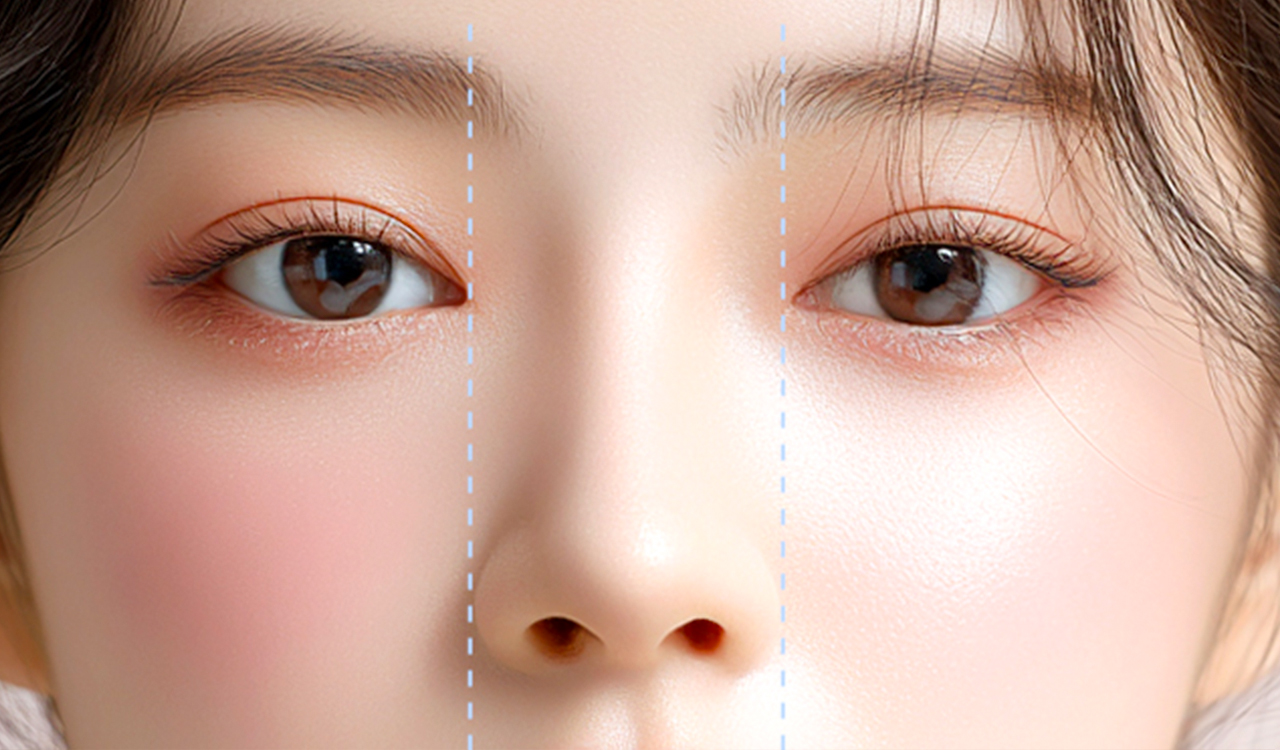
Nose Wing Reduction: Is Alarplasty Worth It? Pros, Cons, and Recovery Time
A nose wing reduction (alarplasty) is a surgical option for those whose nostril wings are naturally thick, wide, or flared while their nasal bridge height and tip projection already suit their overall facial proportions. This procedure selectively reshapes or excises

Alar Base Reduction Technique: Rolling vs. Excision Comparison
An alar base reduction technique narrows flared or wide nostrils by either folding the nostril rim inward with internal sutures or excising a targeted strip of tissue. In Ho Chi Minh City, Vietnam, plastic surgeons perform four main surgical variations
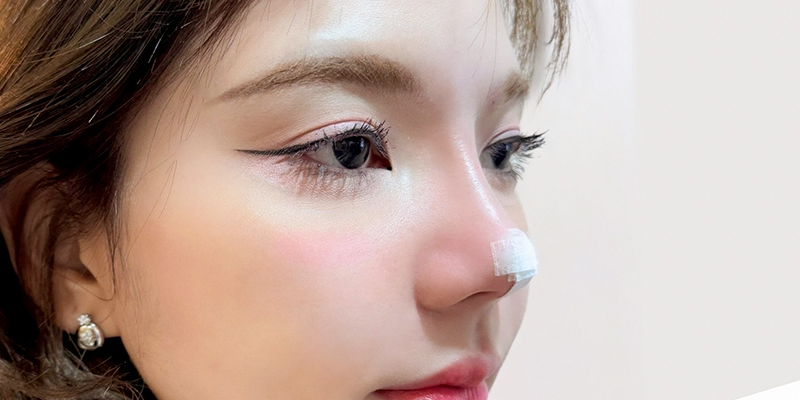
Top 5 Rhinoplasty Clinics in Ho Chi Minh
Rhinoplasty clinics in Ho Chi Minh City offer safe cosmetic nose surgery: Gangwhoo Aesthetic Hospital, JW Korean Aesthetic Hospital, Kangnam Aesthetic Hospital, Thu Cúc Aesthetic Hospital, and Keangnam Korea. In 2026, market rates for cosmetic nose surgery across these facilities

Collagen Injection vs. Laser for Facial Skin: Cost, Recovery, and Fit
A collagen injection vs laser for aging facial skin, which is better? They are two distinct approaches to facial rejuvenation and do not replace each other. Lasers work from the outside in to correct surface texture and pigment, while injected

Collagen Shots for the Face vs. Mesotherapy: Aging Grades, Cost, and Results
Deciding between collagen shots for the face and mesotherapy comes down to identifying which layer of your skin is experiencing aging. Mesotherapy nourishes the superficial skin layers for quick surface hydration, whereas collagen shots for the face rebuild structural density